You may have noticed that many gas stoves seem to have one burner that's stronger and one that's weaker. In many models, the more powerful burner is located on the right side. So why is it designed this way, and does it actually make cooking easier?
Here are three reasons why the right-side burner is often preferred for everyday cooking: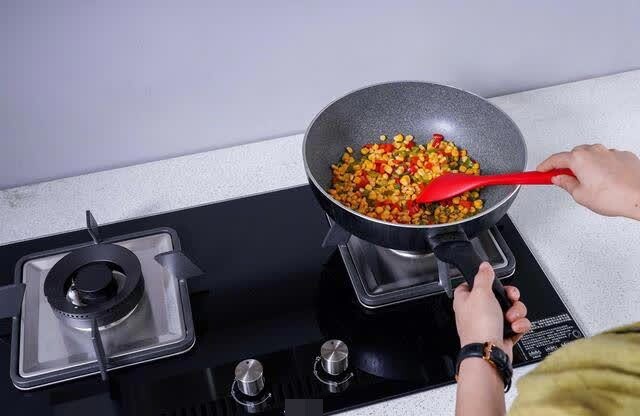
1. The Right Burner Usually Produces Stronger Heat
Many gas stoves are designed with burners of different power levels. The left burner is often smaller and produces less heat, while the right burner is more powerful.
As a result, cooking on the right-side burner can help food cook more quickly and evenly, especially for dishes that require high heat, such as:
- Stir-frying
- Sautéing
- Frying
- Deep-frying
Meanwhile, the lower-heat burner on the left is often better suited for:
- Simmering
- Stewing
- Braising
- Boiling
These cooking methods require longer cooking times and more stable temperatures.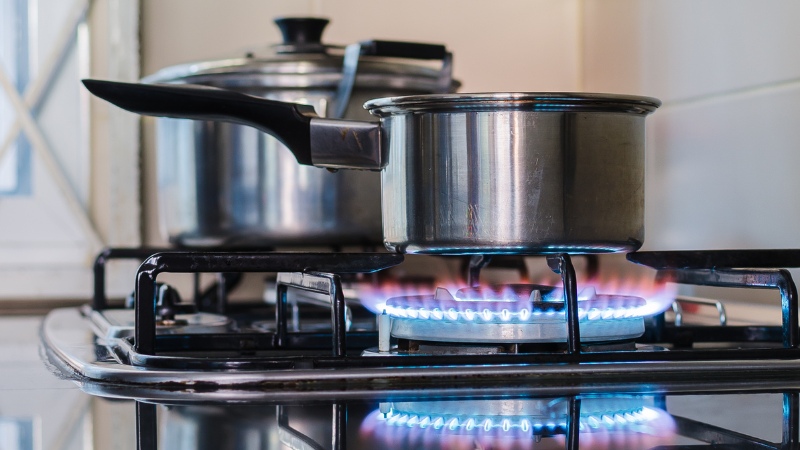
2. It's More Convenient for Right-Handed People
Since most people are right-handed, using the burner on the right side can feel more natural and comfortable.
It allows easier:
- Handling of cooking utensils
- Stirring and flipping food
- Adding seasonings
- Adjusting pots and pans
Cooking on the side that matches your dominant hand can improve control and reduce the likelihood of spilling food or accidentally knocking into cookware.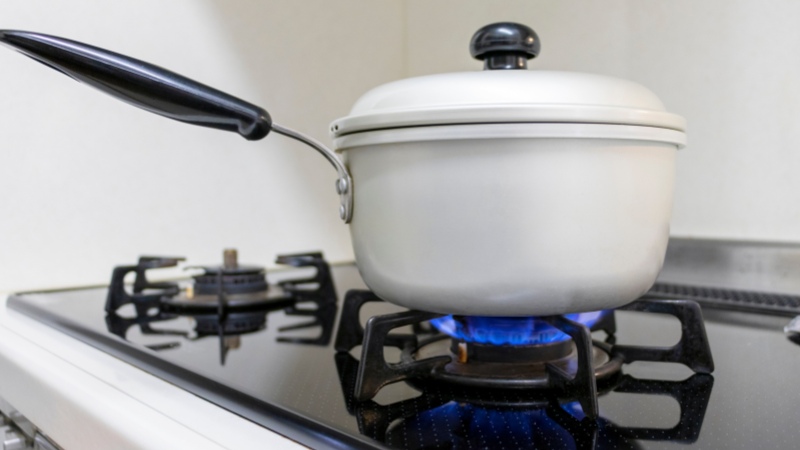
3. It May Reduce the Risk of Burns
When using the left burner, some people may be more likely to brush against hot pots or pans while moving around the kitchen.
This can increase the risk of burns, especially in smaller cooking spaces or households with children.
Using the right-side burner may provide a more comfortable working position and reduce accidental contact with hot cookware, helping to improve kitchen safety.
A Quick Note
Not all gas stoves are designed the same way. Some models have identical burners, while others place the high-power burner on the left or in the center. The best approach is to check your stove's specifications and use the burner that best matches the cooking method you need.
In general, however, when a stove has one high-output burner and one lower-output burner, the stronger burner is often intended for high-heat cooking tasks, while the weaker burner is designed for slower, gentler cooking.