Chapter 1: The Breakfast That Turned Into a Family Emergency
Breakfast is often considered one of the safest and simplest meals of the day. For many families, eggs are a familiar source of protein, prepared quickly and served in countless ways. They may be boiled, fried, scrambled, baked, or mixed with vegetables and other ingredients.
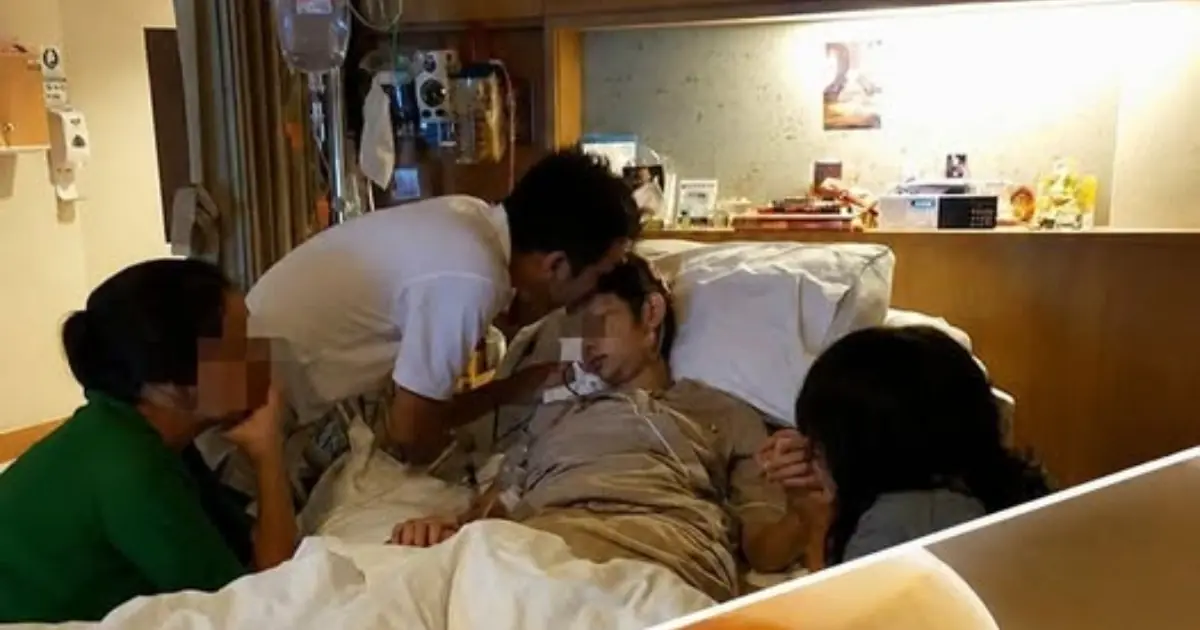
But the dramatic image accompanying this story presents a deeply unsettling scene: several family members gathered around a hospital bed, while a plate of eggs appears in the foreground. The headline claims that an entire family was hospitalized after breakfast and warns against preparing eggs in four particular ways.
The image is designed to make readers stop and ask an important question: could something as ordinary as breakfast cause a serious illness?
Foodborne illness is a real concern. Eggs can sometimes carry harmful bacteria, including Salmonella. When eggs are contaminated and handled or cooked improperly, the bacteria can spread or survive long enough to make people sick.
However, the photograph alone does not establish what happened to the family. It does not identify the hospital, explain the symptoms, provide a confirmed diagnosis, or show that eggs were responsible. The claim should therefore be treated as an unverified story rather than a documented medical incident.
That distinction matters because frightening headlines can easily turn a genuine food-safety issue into unnecessary panic.
Eggs are not inherently dangerous. They can be part of a nutritious diet when purchased, stored, prepared, and served correctly. The concern is not simply that a family ate eggs, but whether the food may have been contaminated or exposed to unsafe conditions.
According to the U.S. Food and Drug Administration, some eggs may contain Salmonella even when their shells appear clean and uncracked. The agency recommends refrigeration, thorough cooking, and careful handling to reduce the risk of illness.
A contaminated meal can affect more than one person when several family members eat the same food. If everyone consumes eggs from the same contaminated batch or a dish prepared under unsafe conditions, multiple people may become ill around the same time.
This is one reason foodborne illness can sometimes appear to spread through a household after a shared meal. It does not necessarily mean that one person passed the illness directly to everyone else.
Symptoms may include diarrhea, stomach cramps, fever, nausea, and vomiting. The severity can vary from person to person, depending on the amount of bacteria consumed and the individual's health.
Children, older adults, pregnant women, and people with weakened immune systems may be more vulnerable to serious complications from foodborne infections.
The most useful lesson from the image is therefore not that families should stop eating eggs. It is that even familiar foods require basic safety precautions.
A breakfast prepared with clean hands, properly refrigerated eggs, clean kitchen equipment, and adequate cooking can greatly reduce avoidable risks.
The following chapters examine four common egg-safety mistakes that families should understand—not as sensational warnings, but as practical steps that can help prevent foodborne illness.
Chapter 2: Mistake One — Eating Eggs That Are Raw or Undercooked
One of the most important egg-safety concerns is eating eggs that have not been cooked thoroughly.
Some people prefer eggs with soft whites, runny yolks, or a lightly cooked center. These preparations may be popular, but they can carry a greater food-safety risk when the eggs have not been pasteurized.
The reason is simple: if an egg contains Salmonella, cooking it adequately helps destroy the bacteria. When the egg remains raw or only partially cooked, harmful bacteria may survive.
The FDA recommends cooking eggs until both the yolk and the white are firm. Scrambled eggs should also be cooked until they are no longer runny.
This advice is especially important when preparing breakfast for young children, older family members, pregnant people, or anyone with a weakened immune system.
Why undercooked eggs can be risky
Eggs may become contaminated in different ways. Bacteria can be present on the shell, and contamination can sometimes occur inside the egg before the shell is formed.
A clean-looking egg is not necessarily free of bacteria. Washing or inspecting the shell cannot guarantee that the egg is safe to eat raw.
When an egg is cooked thoroughly, heat helps reduce the risk. When it is served undercooked, the safety of the meal depends more heavily on whether the egg was contaminated and whether it received sufficient treatment.
This is why food-safety authorities recommend avoiding raw or undercooked eggs unless pasteurized eggs or pasteurized egg products are used.
Four common preparations that need extra care
1. Soft-boiled eggs with runny yolks
Soft-boiled eggs may have a partially cooked center. If ordinary shell eggs are used, the preparation may not provide enough heat to eliminate harmful bacteria.
2. Fried eggs with uncooked whites
A fried egg can look ready on the outside while parts of the white remain translucent. Cooking until the white is fully set and the yolk is firm is the safer choice.
3. Scrambled eggs that remain liquid
Scrambled eggs should be cooked throughout. A creamy texture can be achieved without leaving the mixture visibly raw or liquid.
4. Homemade foods containing raw eggs
Some recipes use raw eggs in sauces, desserts, or drinks. Examples include certain homemade mayonnaise, Caesar-style dressings, mousse, eggnog, and tiramisu recipes.
For foods that will not be cooked thoroughly, the FDA recommends using pasteurized eggs or pasteurized egg products.
Does this mean every runny egg causes illness?
No. Eating an undercooked egg does not automatically mean someone will become sick. The risk depends on whether the egg is contaminated and how it was handled.
The purpose of food-safety guidance is to reduce the chance of exposure before an illness occurs.