Chapter 1: A Mother’s Heartbreak After a Childhood Cancer Diagnosis
A childhood cancer diagnosis is the kind of news no parent ever expects to hear. For a mother, the thought that her young child could be facing a serious illness can turn an ordinary day into a moment that changes the entire family’s life.
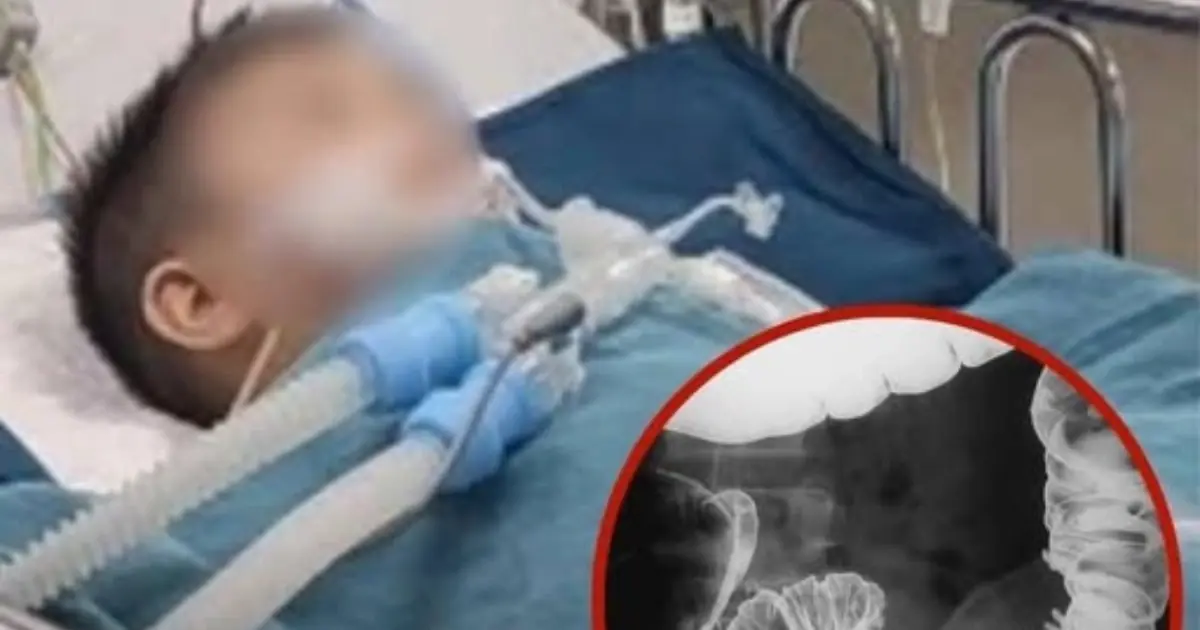
The viral headline describes a second-grade boy who was reportedly diagnosed with colon cancer after years of eating two particular foods. The accompanying image shows a young patient receiving hospital care, alongside a medical illustration of the colon.
The story has attracted attention because it combines three deeply emotional subjects: a young child, a devastating diagnosis, and a possible connection to everyday food.
However, the photograph and headline alone do not establish the child's identity, medical history, diagnosis, or the cause of his illness. Those details should be confirmed through reliable reporting or a medical statement before being presented as established facts.
What can be confirmed is that colorectal cancer in children is exceptionally rare. The National Cancer Institute explains that fewer than 100 children are diagnosed with colorectal cancer each year in the United States.
The rarity of the disease makes stories involving young patients especially alarming. Parents naturally wonder whether something in their children's daily lives could have contributed to such an illness.
Food is often the first thing people examine. Children may eat the same breakfast, snacks, or dinner several times a week. Families may rely on convenient meals because of school schedules, work commitments, and limited time.
When a child becomes seriously ill, those familiar routines can suddenly feel frightening. A parent may look back at years of meals and wonder whether a different choice could have changed the outcome.
But this kind of guilt can be deeply unfair. Cancer is a complex disease, and a diagnosis cannot be reduced to a simple story about one meal or two ingredients.
The most important response to a child's illness is not blame. It is compassionate medical care, accurate information, and support for the family.
The mother's reported experience also serves as a reminder that families dealing with serious childhood illness deserve privacy. A child's medical condition should never become a reason for strangers to make assumptions about the family's lifestyle or parenting decisions.
For readers, the responsible approach is to separate the emotional impact of the story from the medical facts. The headline may encourage people to pay closer attention to children's diets, but it should not create the impression that a particular food automatically leads to cancer.
A healthy diet is important for growth and general well-being. It cannot guarantee that a child will never develop a serious illness, and an imperfect diet does not mean that a parent has caused one.
The central message is simple: when a child faces a frightening diagnosis, the family needs reliable medical information and kindness—not fear or accusations.
Chapter 2: Can Two Foods Really Cause Colon Cancer?
The most striking part of the viral headline is its suggestion that two foods were responsible for a young boy's illness.
It is an attention-grabbing claim because it offers a seemingly simple explanation for a complicated disease. Yet there is no scientific basis for saying that eating two specific foods alone causes colon cancer in a child.
The original image does not identify the foods, provide medical records, or show evidence linking the child's reported diagnosis to a particular diet. Without independently verified information, the claim should remain unconfirmed.
Colorectal cancer develops when cells in the colon or rectum undergo changes that cause them to grow and divide abnormally. These changes may involve genetic factors, inherited conditions, inflammation, and other biological processes.
In children, inherited cancer syndromes are particularly important to consider. The National Cancer Institute lists several conditions associated with an increased risk, including familial adenomatous polyposis, Lynch-related conditions, and other inherited syndromes. Children with long-standing inflammatory bowel diseases, such as Crohn's disease or ulcerative colitis, may also have an increased risk.
This does not mean every child diagnosed with colorectal cancer has an inherited condition. Some cases occur without a known risk factor. Doctors must assess each patient's circumstances rather than assume that a particular food or habit explains the illness.