Mosquitoes can turn a comfortable evening at home into an irritating experience. Their buzzing can interrupt sleep, their bites leave itchy marks, and their presence can make it difficult to relax, especially during warm and humid months.
Many people immediately reach for insect sprays, electric mosquito repellents, or mosquito coils. However, others prefer looking for simpler household solutions using ingredients they already have in their kitchens.
One popular suggestion involves using lemons.
The idea is simple: cut a fresh lemon, place the slices in a small dish, and leave them in areas where mosquitoes frequently appear. Some versions of this household trick also combine lemon with cloves, creating a strong citrus and spice aroma.
But can something as ordinary as a lemon really help keep mosquitoes away?
There is a reason this idea has become popular. Citrus fruits contain naturally occurring aromatic compounds, particularly in their peels. These compounds contribute to the familiar fresh scent of lemons and are sometimes investigated for their potential insect-repellent properties.
However, there is an important distinction between a substance that shows some repellent activity under experimental conditions and a household preparation that reliably prevents mosquito bites.
A few lemon slices placed on a table have not been established as an effective mosquito-control method. Their scent may freshen a room, but there is insufficient reliable evidence that ordinary cut lemons provide meaningful or lasting protection against mosquitoes.
That does not mean you cannot enjoy this simple household trick. It simply means you should understand what it can realistically do.
The best approach is to treat lemon as an optional household fragrance experiment while using proven mosquito-control methods to protect yourself and your family.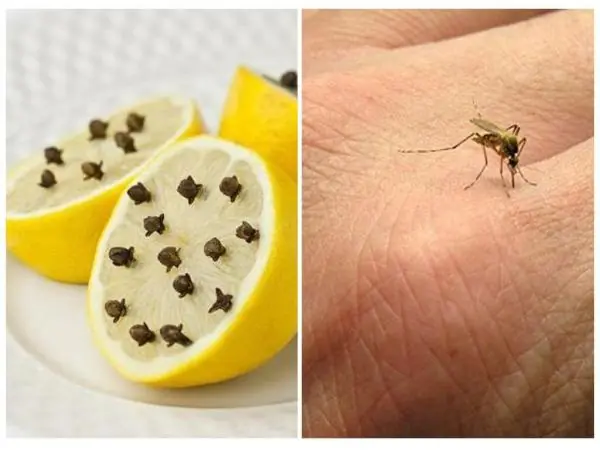
Chapter 2: Why Are Mosquitoes Attracted to Your Home?
Before exploring the lemon trick, it helps to understand why mosquitoes enter homes in the first place.
Mosquitoes do not randomly choose people to bite. They use several environmental and biological signals to locate potential hosts.
One of the most important signals is carbon dioxide.
Humans release carbon dioxide when breathing. Mosquitoes can detect this gas and use it to locate nearby people and animals.
They also respond to body heat, movement, moisture, and certain natural odors produced by human skin.
This explains why mosquitoes may continue approaching someone even when the room contains a pleasant fragrance.
The presence of mosquitoes indoors is also closely related to the surrounding environment.
Some common reasons include:
Standing water around the property.
Mosquitoes need water to complete their life cycle. Many species lay eggs in containers holding stagnant water, including flowerpot saucers, buckets, discarded tires, and uncovered water tanks.
Even small amounts of water can provide suitable breeding conditions for certain species.
Open doors and windows.
Mosquitoes can enter through doors, windows, and small gaps in buildings. Homes without intact screens may be particularly vulnerable.
Poorly maintained outdoor areas.
Overgrown vegetation, shaded corners, and areas containing water-holding objects can create favorable resting or breeding conditions for mosquitoes.
Nearby breeding sites.
Even if your own home is clean, mosquitoes may come from neighboring properties, gardens, drains, or other nearby environments.
Understanding these factors is important because eliminating the conditions that attract and support mosquitoes is generally more effective than relying on household scents.
A lemon-based trick may sound appealing, but removing breeding sites and blocking entry points should always come first.
Chapter 3: The Simple Lemon Trick You Can Try at Home
If you enjoy the smell of fresh citrus, preparing a lemon centerpiece is inexpensive and straightforward.
It requires only a few basic items:
-
One fresh lemon.
-
A clean plate or small bowl.
-
A knife and cutting board.
-
Optional whole cloves for a stronger aroma.
Here is how to prepare it.
Step 1: Choose a Fresh Lemon
Select a fresh lemon with a firm peel and no visible mold or damaged areas.
Wash it thoroughly under clean running water to remove dirt and surface residues.
Dry the lemon with a clean towel.
Step 2: Cut the Lemon Into Slices
Place the lemon on a clean cutting board and cut it into several slices.
You can also cut it into halves or quarters if you prefer a simpler presentation.
The exposed flesh releases a fresh citrus aroma, while the peel contains aromatic compounds that contribute to the lemon's characteristic scent.
Step 3: Add Whole Cloves (Optional)
Some traditional household recipes recommend inserting several whole cloves into the exposed lemon flesh.
Cloves have a distinctive spicy aroma because they contain aromatic substances, including eugenol.
The combination produces a stronger citrus-and-spice fragrance.
However, adding cloves does not turn the lemon into a scientifically established mosquito repellent. The effectiveness of this particular homemade mixture has not been demonstrated reliably under ordinary household conditions.
Step 4: Place It in a Small Dish
Arrange the lemon slices on a clean plate or place them in a small bowl.
If you want to experiment with the scent, position the dish on a table near an open window or in a room where you spend time.
Keep it away from pets and young children, and avoid placing it where it could spill or attract insects.
Step 5: Replace It When It Deteriorates
Fresh lemon slices gradually dry out and decompose.
Replace them when they lose their freshness, develop mold, or begin attracting fruit flies and other insects.
Do not leave old fruit sitting around for several days.
This simple preparation can provide a pleasant citrus fragrance, but remember that it should not be relied upon to prevent mosquito bites.