Few household pests are as frustrating as bed bugs. These tiny insects can hide in mattresses, furniture, cracks, and crevices, making them difficult to detect and even harder to eliminate. Their bites may cause itching, discomfort, and sleepless nights, leading many homeowners to search for effective control methods.
While professional pest management is often the most reliable solution for significant infestations, some people explore natural approaches as part of a broader bed bug management strategy. Two commonly discussed options are diatomaceous earth and cloves. Both have gained popularity among homeowners looking for alternatives to conventional pesticides.
It's important to understand that neither method should be viewed as a guaranteed or instant cure. However, they are frequently used as complementary tools in integrated pest management programs.
Understanding Bed Bugs
Bed bugs are small, reddish-brown insects that feed on blood, typically during the night.
They are excellent at hiding and often remain concealed in:
- Mattress seams
- Bed frames
- Furniture joints
- Electrical outlets
- Baseboards
- Upholstered furniture
Because bed bugs reproduce rapidly, early detection is important.
Common signs of infestation include:
- Small blood spots on bedding
- Dark fecal stains
- Shed insect skins
- Clusters of bites
- Visible insects in hiding places

What Is Diatomaceous Earth?
Diatomaceous earth is a naturally occurring powder made from the fossilized remains of microscopic aquatic organisms called diatoms.
Under a microscope, the particles have sharp edges.
Although harmless to humans when used properly, these tiny particles can affect insects differently.
Food-grade diatomaceous earth is the type most commonly discussed for household pest management.
How Diatomaceous Earth Works
Unlike chemical insecticides, diatomaceous earth works mechanically.
When insects crawl through the powder:
- The particles adhere to their bodies
- The protective outer layer becomes damaged
- Moisture is lost from the insect's body
Over time, this can lead to dehydration.
Because the process is physical rather than chemical, resistance is generally less of a concern.
However, results are not immediate.
Bed bugs often need repeated exposure before the powder becomes effective.
Common Areas Where People Apply It
Homeowners commonly apply thin layers of food-grade diatomaceous earth around:
- Bed legs
- Baseboards
- Furniture edges
- Mattress frames
- Cracks and crevices
The goal is to place the powder where bed bugs are likely to travel.
Excessive application is usually unnecessary.
A light dusting often works better than thick piles because insects may avoid large accumulations.
What Are Cloves?
Cloves are dried flower buds from the clove tree (Syzygium aromaticum).
Known for their warm, spicy aroma, cloves have been used for centuries in:
- Cooking
- Traditional remedies
- Aromatherapy
- Natural household applications
Their distinctive scent comes largely from a compound called eugenol.
Why Are Cloves Associated With Pest Control?
Many insects are sensitive to strong odors.
Because cloves contain aromatic compounds, some people believe they may help discourage certain pests.
Common approaches include:
- Placing whole cloves near affected areas
- Using clove sachets
- Incorporating clove oil into homemade pest-control mixtures
However, scientific evidence supporting cloves as a stand-alone bed bug solution remains limited.
Cloves may be more useful as part of a broader prevention strategy rather than a primary eradication method.
Clove Oil vs. Whole Cloves
Some studies have examined essential oils, including clove oil, for insect management.
Essential oils are far more concentrated than whole cloves.
However:
- Results vary
- Effectiveness may be inconsistent
- Repeated application is often necessary
Care should also be taken because essential oils may irritate skin or damage certain surfaces.

Why Natural Remedies Alone May Not Be Enough
One of the biggest challenges with bed bugs is their ability to hide.
Even if visible insects are eliminated, eggs may remain hidden.
Bed bug eggs are:
- Tiny
- Difficult to see
- Resistant to many treatments
This is why successful control often requires multiple approaches.
Integrated Pest Management
Experts frequently recommend combining strategies such as:
- Inspection
- Vacuuming
- Laundering
- Heat treatment
- Mattress encasements
- Targeted pest control methods
Natural remedies may play a supporting role within this broader plan.
Additional Steps That Can Help
Wash Bedding in Hot Water
Heat is one of the most effective tools against bed bugs.
Many experts recommend:
- Washing bedding at high temperatures
- Drying items thoroughly
Vacuum Thoroughly
Vacuuming may help remove:
- Adult insects
- Nymphs
- Eggs
Particular attention should be paid to:
- Mattress seams
- Furniture joints
- Carpet edges
Reduce Clutter
Clutter provides additional hiding places.
Keeping rooms organized may improve treatment effectiveness.
Inspect Secondhand Furniture
Used furniture can sometimes introduce bed bugs into a home.
Careful inspection before bringing items indoors is important.
Common Myths About Bed Bugs
Myth: Bed Bugs Only Affect Dirty Homes
False.
Bed bugs can infest homes regardless of cleanliness.
They are attracted to blood meals, not dirt.
Myth: Natural Remedies Instantly Eliminate Bed Bugs
False.
Most methods require time, persistence, and multiple treatments.
Myth: You Can Feel Bed Bugs Crawling
Usually false.
Many people never notice them during the night.
Myth: One Treatment Solves Everything
False.
Bed bug control often requires ongoing monitoring and repeated efforts.
Safety Considerations
If using diatomaceous earth:
- Choose food-grade products
- Avoid inhaling dust
- Follow label instructions
- Keep the area well ventilated
If using clove oil:
- Avoid direct application to skin without proper dilution
- Test surfaces for staining
- Keep concentrated oils away from children and pets
Safety should always remain a priority.
When to Consider Professional Help
Professional pest management may be appropriate if:
- Infestations are widespread
- Repeated treatments fail
- Bed bugs spread to multiple rooms
- The problem persists for several weeks
Professionals often have access to specialized tools and treatment methods that may be more effective for severe infestations.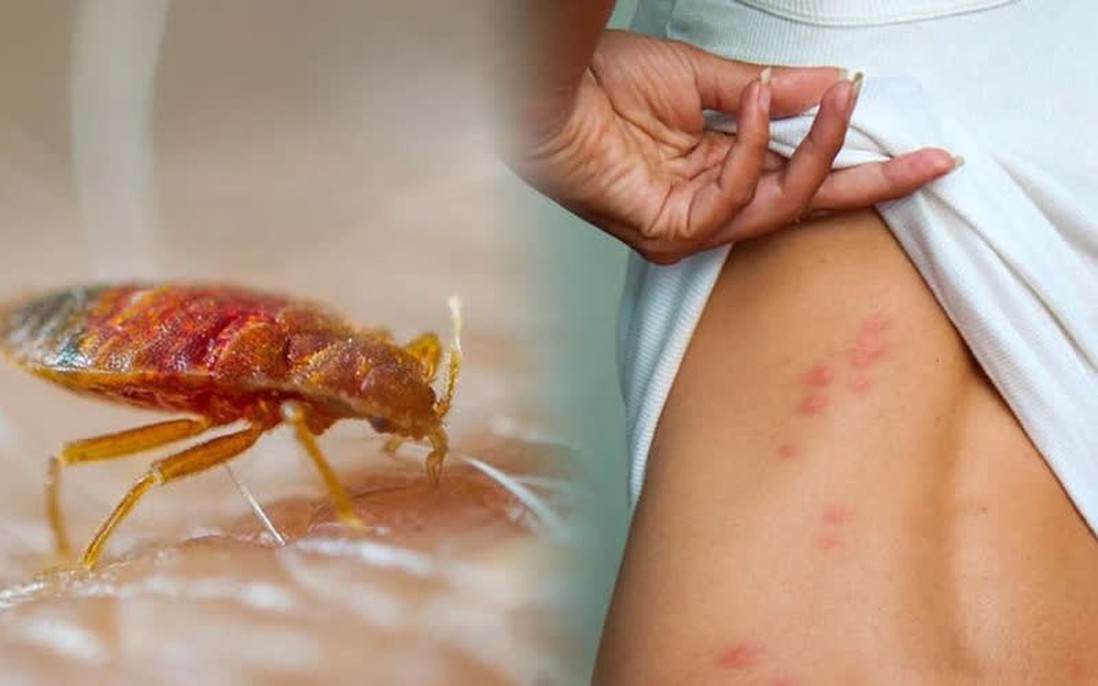
Final Thoughts
Diatomaceous earth and cloves are two natural options frequently discussed by homeowners seeking alternatives to conventional bed bug treatments. Diatomaceous earth may help by physically affecting insects that come into contact with it, while cloves are often used because of their strong aroma and traditional association with natural pest management.
Although these methods may contribute to a broader control strategy, neither should be viewed as a guaranteed solution on its own. Successful bed bug management typically involves a combination of careful inspection, sanitation, heat treatment, monitoring, and, when necessary, professional assistance. By understanding both the potential benefits and limitations of natural remedies, homeowners can make more informed decisions when dealing with these persistent household pests.