What Is Cervical Cancer?
Cervical cancer develops from abnormal cells in the cervix. Anatomically, the cervix is the lower part of the uterus, connecting the uterus to the vagina.
All women are at risk of developing cervical cancer, especially those over the age of 30.
Common Symptoms of Cervical Cancer
In its early stages, cervical cancer often causes no obvious signs or symptoms. As the disease progresses, symptoms become more noticeable as the tumor grows, affects nearby organs, and may spread to other parts of the body.
Common signs and symptoms of cervical cancer include:
Early Warning Signs
- Abnormal vaginal bleeding
- Unusual vaginal discharge
- Pain or bleeding during sexual intercourse
Symptoms of Advanced Cervical Cancer
- Pelvic pain
- Lower back pain
- Leg swelling and leg pain
- Fatigue
- Unexplained weight loss
- Leakage of urine or stool through the vagina
- Bone fractures caused by cancer spread
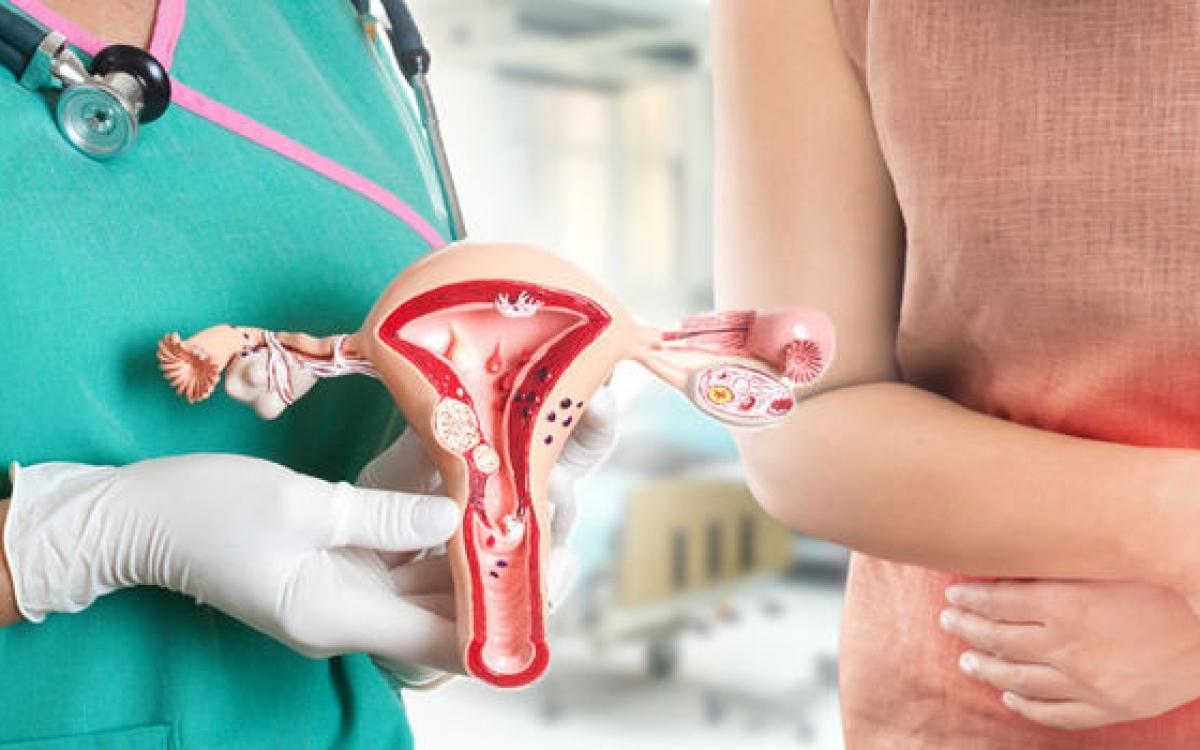
1. Abnormal Vaginal Bleeding
Abnormal vaginal bleeding is one of the most common early warning signs of cervical cancer.
Symptoms may include:
- Bleeding after sexual intercourse
- Bleeding after menopause
- Bleeding between menstrual periods
- Prolonged menstrual periods
- Heavier-than-normal menstrual bleeding
2. Unusual Vaginal Discharge
This is another common early symptom of cervical cancer.
Signs may include:
- Discharge containing traces of blood between menstrual periods or after menopause
- Foul-smelling discharge
- Discharge that is unusually white, clear, watery, or brown in color
3. Pain During Sexual Intercourse
Pain or discomfort during intercourse can also be an early sign of cervical cancer and should not be ignored.
4. Pelvic Pain
Pelvic pain that cannot be explained by poor posture or other common causes may be a symptom of cervical cancer.
The pain is often felt near the lower abdomen or in the center of the pelvis. This symptom may indicate advanced cervical cancer, particularly when the tumor compresses nearby organs or spreads to the bones.
5. Leg Swelling
Unexplained swelling of one or both legs may be associated with cervical cancer.
Cancer cells can spread to lymph nodes in the pelvic region, blocking normal lymphatic drainage and causing a condition known as lymphedema.
Other Possible Symptoms
Additional warning signs may include:
- Unexplained weight loss
- Persistent fatigue
- Loss of appetite
- Bone fractures caused by bone metastasis
- Changes in bowel or bladder habits due to pressure on the rectum or bladder
Early Detection and Screening for Cervical Cancer
Screening aims to detect precancerous changes or early-stage cancer before symptoms appear. Early detection allows for timely treatment and can significantly reduce the risk of death from cervical cancer.
According to the U.S. Centers for Disease Control and Prevention (CDC), cervical cancer screening recommendations are as follows:
1. Screening Recommendations
Women Aged 21–29
Women should begin Pap testing at age 21.
If the Pap test result is normal, the next screening can usually be performed after three years.
Women Aged 30–65

Pap Test Only
- If results are normal, repeat every three years.
HPV Test Only
- If results are normal, repeat every five years.
Pap Test + HPV Test (Co-testing)
- If both tests are normal, the next screening can be performed after five years.
Women Over 65
Screening may no longer be necessary for women who:
- Have had consistently normal screening results for many years
- Have had their cervix removed due to non-cancerous conditions such as uterine fibroids
Before a Pap Test or HPV Test
To ensure accurate results, women should:
- Avoid testing during menstruation or within two days before a period begins
- Avoid vaginal douching
- Avoid using tampons
- Avoid sexual intercourse
- Avoid using vaginal medications or creams
Cervical Cancer Screening Methods
Pap tests and HPV tests are the primary methods used to detect cervical cancer early.
Pap Test
A Pap test helps identify precancerous changes in cervical cells that could develop into cancer if left untreated.
During the procedure, a healthcare provider uses a plastic or metal instrument called a speculum to gently open the vagina. Samples of cervical cells and mucus are then collected for laboratory analysis.
HPV Test
An HPV test identifies human papillomavirus (HPV) types that are associated with cervical cancer, particularly high-risk strains such as HPV 16 and HPV 18.
How to Help Prevent Cervical Cancer
According to the CDC, the most effective ways to reduce the risk of cervical cancer are regular screening and HPV vaccination.
HPV Vaccination
The HPV vaccine helps protect against HPV types that commonly cause cervical, vaginal, and vulvar cancers.
However, vaccination does not replace the need for routine cervical cancer screening.
In the United States, HPV vaccination is routinely recommended for girls and boys between the ages of 11 and 12, although vaccination may begin as early as age 9.
Important Note
While recognizing warning signs is important, many early cases of cervical cancer produce no symptoms at all. Regular screening and HPV vaccination remain the most effective strategies for prevention and early detection.