The liver is one of the hardest-working organs in the human body. Every day, it performs hundreds of essential tasks that keep us alive and healthy. From filtering toxins and processing nutrients to regulating metabolism and producing important proteins, the liver works around the clock without taking a break.
Despite its remarkable ability to regenerate itself, the liver is not invincible. Poor dietary choices, excessive alcohol consumption, obesity, chronic stress, and environmental toxins can gradually place a heavy burden on this vital organ. Over time, these factors may contribute to fatty liver disease, inflammation, and other health complications.
Fortunately, one of the simplest ways to support liver health is through proper nutrition. Certain fruits and vegetables contain powerful antioxidants, vitamins, minerals, and plant compounds that may help protect liver cells, reduce inflammation, and promote healthy liver function.
Here are four vegetables and two fruits that deserve a place in your daily diet if you want to give your liver some extra support.
1. Broccoli: A Powerful Liver-Friendly Vegetable
Broccoli is often considered one of the healthiest vegetables available, and for good reason.
This cruciferous vegetable contains compounds known as glucosinolates, which help the body produce enzymes involved in detoxification. These enzymes assist the liver in breaking down and eliminating harmful substances.
Broccoli is also rich in:
- Vitamin C
- Vitamin K
- Folate
- Fiber
- Antioxidants
Research suggests that cruciferous vegetables may help reduce fat accumulation in the liver and support healthy metabolic function.
Adding broccoli to salads, stir-fries, soups, or steamed vegetable dishes can be an easy way to incorporate this nutritional powerhouse into your meals.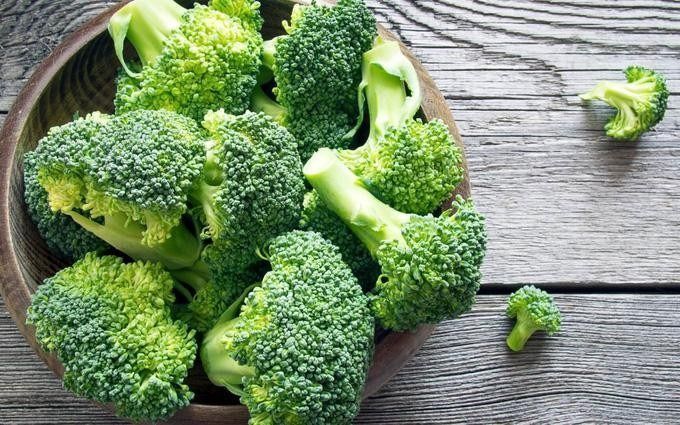
2. Spinach: Packed with Nutrients and Antioxidants
Spinach is another excellent choice for supporting liver health naturally.
Leafy greens contain chlorophyll, a plant pigment that may help neutralize certain toxins before they place additional stress on the liver.
Spinach is also loaded with:
- Iron
- Magnesium
- Potassium
- Vitamin A
- Vitamin C
- Vitamin K
In addition, spinach contains plant compounds that may help reduce oxidative stress, one of the factors linked to liver damage.
Whether blended into smoothies, added to omelets, or enjoyed in salads, spinach offers a convenient way to boost nutrient intake while supporting overall wellness.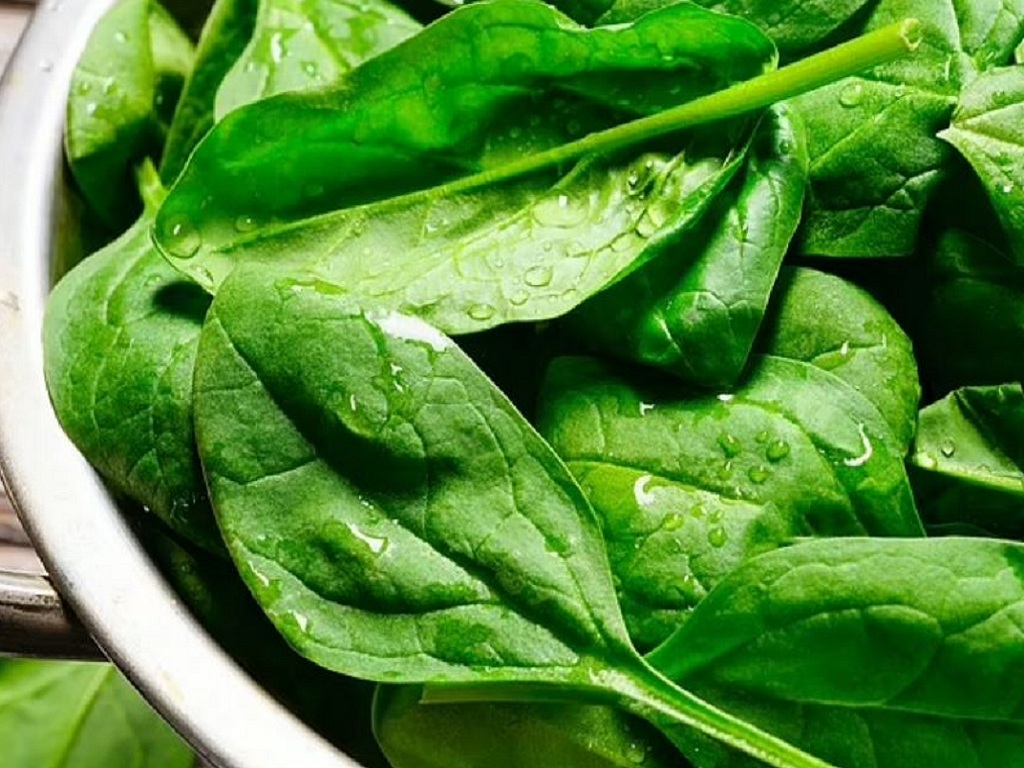
3. Beetroot: Nature's Detox Companion
Beetroot has gained popularity as a superfood, and its reputation is well deserved.
Its vibrant red color comes from compounds called betalains, which possess strong antioxidant and anti-inflammatory properties.
These compounds may help:
- Support natural detoxification processes
- Reduce oxidative damage
- Promote healthy blood flow
- Protect liver cells
Beets are also a good source of dietary fiber, which supports digestive health and helps the body eliminate waste products more efficiently.
Many people enjoy beetroot roasted, juiced, or grated into salads.
4. Garlic: Small but Mighty
Garlic has been valued for centuries for its medicinal properties.
This flavorful ingredient contains sulfur compounds that help activate liver enzymes responsible for removing toxins from the body.
Garlic also provides:
- Selenium
- Antioxidants
- Anti-inflammatory compounds
Some studies suggest that garlic may support healthy cholesterol levels and reduce fat accumulation in the liver, particularly in individuals with fatty liver disease.
The best part is that garlic can easily be added to countless dishes, including soups, sauces, roasted vegetables, and lean protein meals.
5. Grapefruit: A Citrus Fruit with Liver Benefits
Grapefruit is often praised for its refreshing taste, but it may also offer benefits for liver health.
This citrus fruit contains powerful antioxidants, including:
- Vitamin C
- Naringenin
- Naringin
These compounds may help protect liver cells from damage caused by free radicals.
Research suggests that grapefruit antioxidants may also help reduce inflammation and support natural detoxification pathways.
Enjoying fresh grapefruit as part of breakfast or as a healthy snack can be an excellent addition to a balanced diet.
However, individuals taking prescription medications should consult a healthcare professional before consuming grapefruit regularly, as it can interact with certain drugs.
6. Blueberries: Tiny Fruits with Big Benefits
Blueberries may be small, but they are among the most antioxidant-rich fruits available.
Their deep blue color comes from anthocyanins, compounds known for their ability to combat oxidative stress and inflammation.
Potential benefits of blueberries include:
- Supporting immune health
- Protecting cells from damage
- Promoting healthy aging
- Supporting liver function
Some studies suggest that regular consumption of berries may help reduce markers associated with liver injury and inflammation.
Blueberries can be added to yogurt, oatmeal, smoothies, or eaten fresh as a convenient snack.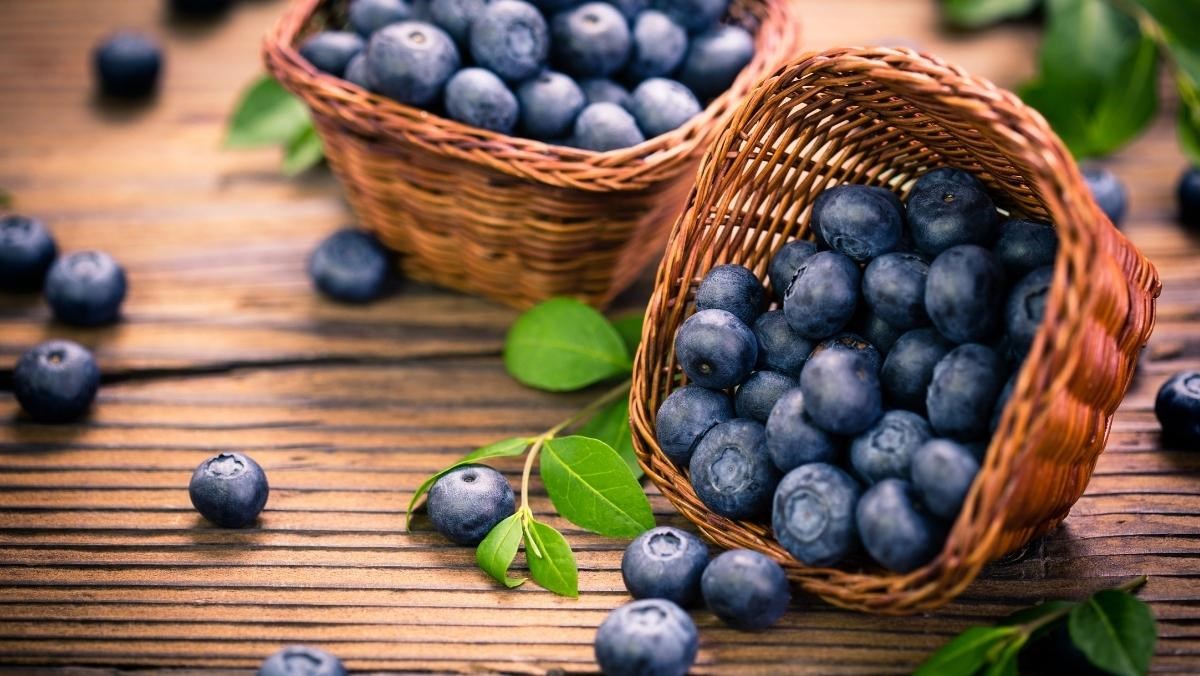
Why Antioxidants Matter for the Liver
Every day, the liver is exposed to substances that generate free radicals. These unstable molecules can damage cells through a process known as oxidative stress.
When oxidative stress becomes excessive, it may contribute to:
- Fatty liver disease
- Chronic inflammation
- Fibrosis
- Liver dysfunction
The antioxidants found in vegetables and fruits help neutralize free radicals before they cause significant damage.
This is one reason why diets rich in plant-based foods are consistently associated with better liver health.
Other Habits That Support Liver Health
While nutritious foods can provide valuable support, they work best when combined with healthy lifestyle choices.
To keep your liver functioning optimally, consider the following habits:
Stay Hydrated
Water helps transport nutrients and supports the body's natural waste-removal processes.
Exercise Regularly
Physical activity helps maintain a healthy weight and may reduce the risk of fatty liver disease.
Limit Excess Sugar
High sugar intake, particularly from sugary beverages, can contribute to fat accumulation in the liver.
Avoid Excessive Alcohol
Alcohol places significant stress on the liver and can cause long-term damage when consumed excessively.
Maintain a Healthy Weight
Obesity is one of the leading risk factors for non-alcoholic fatty liver disease.
Signs Your Liver May Need Attention
Although liver problems can develop silently, some symptoms may indicate the need for medical evaluation.
Possible warning signs include:
- Persistent fatigue
- Yellowing of the skin or eyes
- Abdominal discomfort
- Unexplained weight loss
- Dark urine
- Swelling in the legs or abdomen
Anyone experiencing these symptoms should consult a healthcare professional for proper assessment.
Final Thoughts
Your liver performs countless vital functions every day, making its health essential for overall well-being. While no single food can guarantee perfect liver function, a diet rich in nutrient-dense vegetables and fruits can provide valuable support.
Broccoli, spinach, beetroot, and garlic offer powerful plant compounds that help support detoxification and reduce inflammation. Meanwhile, grapefruit and blueberries provide antioxidants that may help protect liver cells from damage.
Combined with regular exercise, proper hydration, and a balanced lifestyle, these foods can play an important role in maintaining a healthy liver for years to come.
Small dietary choices made consistently each day often have the greatest impact. By adding these four vegetables and two fruits to your routine, you can take a simple yet meaningful step toward supporting your liver naturally.