Our bodies continue working long after we fall asleep. During the night, hormones are regulated, tissues are repaired, and important metabolic processes take place. For some people, however, nighttime can also reveal subtle clues about underlying health concerns, including problems related to blood sugar regulation.
Diabetes and prediabetes often develop gradually, and symptoms may not be obvious at first. In many cases, the body begins sending signals months or even years before a diagnosis is made. Some of these warning signs can become particularly noticeable during the night.
It's important to remember that experiencing one or more of these symptoms does not necessarily mean a person has diabetes. Many conditions can cause similar symptoms. However, recurring nighttime changes should not be ignored, especially when they occur alongside other risk factors or health concerns.
Here are nine nighttime signs that may sometimes be associated with blood sugar problems.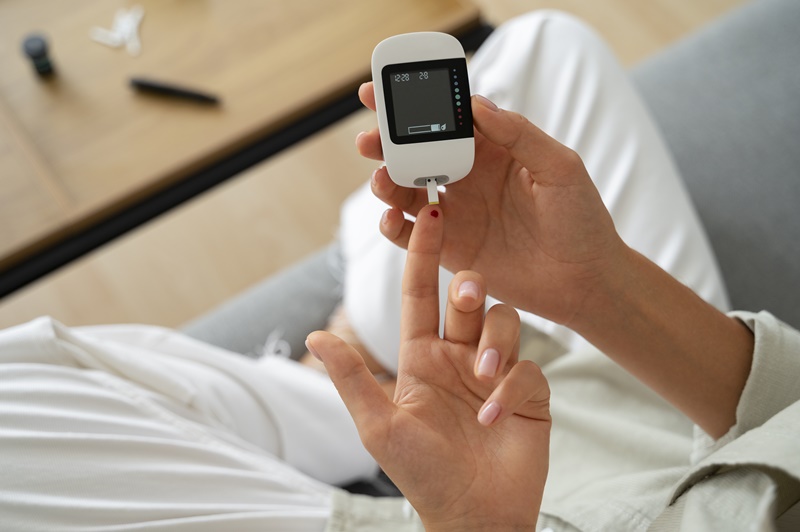
Understanding Blood Sugar and Diabetes
Before exploring the symptoms, it helps to understand what happens when blood sugar becomes difficult to regulate.
Blood Sugar Explained
Blood sugar, or glucose, is the body's primary source of energy.
After eating, carbohydrates are broken down into glucose and enter the bloodstream.
The hormone insulin helps move glucose from the blood into cells where it can be used for energy.
What Happens in Diabetes?
In diabetes, the body either:
-
Does not produce enough insulin
-
Cannot effectively use insulin
As a result, glucose remains elevated in the bloodstream.
Over time, persistently high blood sugar can affect many organs and systems throughout the body.
Sign #1: Frequent Urination During the Night
One of the most common symptoms associated with elevated blood sugar is nighttime urination.
Medical Term
This symptom is called nocturia.
Why It Happens
When blood sugar levels become too high, the kidneys work harder to remove excess glucose from the bloodstream.
This process draws additional water into the urine.
Possible Results
-
Frequent trips to the bathroom
-
Interrupted sleep
-
Increased nighttime urination
While occasional nighttime urination is common, persistent changes deserve attention.
Sign #2: Excessive Thirst
Frequent urination often leads to another common symptom: increased thirst.
Why It Occurs
The body loses fluids through increased urine production.
As Dehydration Develops
People may experience:
-
Dry mouth
-
Persistent thirst
-
Increased fluid intake
Some individuals notice that they wake up repeatedly during the night feeling thirsty.
Sign #3: Dry Mouth During Sleep
Dry mouth can occur for many reasons, but it is sometimes associated with blood sugar problems.
Possible Symptoms Include
-
Sticky feeling in the mouth
-
Difficulty swallowing
-
Morning dryness
-
Increased thirst
Repeated episodes may warrant further evaluation.
Sign #4: Night Sweats
Night sweats can have numerous causes.
However
In certain situations, blood sugar fluctuations may contribute.
Possible Symptoms
-
Waking up drenched in sweat
-
Damp bedding
-
Sudden episodes of sweating
People using diabetes medications should discuss frequent night sweats with their healthcare provider.
Sign #5: Restless Sleep
Many people with poorly controlled blood sugar report sleep disturbances.
Potential Causes Include
-
Frequent urination
-
Thirst
-
Discomfort
-
Blood sugar fluctuations
Common Experiences
-
Difficulty staying asleep
-
Frequent awakenings
-
Feeling unrefreshed in the morning
Sleep quality plays an important role in overall health.
Sign #6: Leg Cramps or Tingling Sensations
Some individuals notice unusual sensations in their legs or feet during the night.
These May Include
-
Tingling
-
Burning sensations
-
Numbness
-
Muscle cramps
Why It May Occur
Over time, elevated blood sugar may affect nerves.
This condition is known as diabetic neuropathy.
Not all nighttime tingling is related to diabetes, but persistent symptoms deserve medical attention.
Sign #7: Increased Hunger, Even at Night
Although diabetes is often associated with high blood sugar, cells may still struggle to access the energy they need.
As a Result
The body may continue sending hunger signals.
Possible Symptoms Include
-
Late-night hunger
-
Increased appetite
-
Difficulty feeling satisfied after meals
Persistent hunger should not be ignored.
Sign #8: Slow-Healing Skin Problems
Some people first notice skin-related changes at night.
Examples Include
-
Persistent itching
-
Dry skin
-
Minor wounds that heal slowly
Elevated blood sugar may affect circulation and the body's ability to repair tissues efficiently.
Sign #9: Morning Fatigue Despite a Full Night's Sleep
One of the most overlooked symptoms of blood sugar problems is waking up exhausted.
Why It Happens
Even after spending sufficient hours in bed, poor blood sugar regulation may interfere with restorative sleep.
Common Complaints Include
-
Low energy
-
Brain fog
-
Difficulty concentrating
-
Morning fatigue
This symptom can easily be mistaken for stress or a busy lifestyle.
How Blood Sugar Affects Sleep
The relationship between sleep and blood sugar works both ways.
High Blood Sugar Can Affect Sleep
By causing:
-
Thirst
-
Urination
-
Discomfort
Poor Sleep Can Affect Blood Sugar
Sleep deprivation may influence:
-
Insulin sensitivity
-
Appetite regulation
-
Hormonal balance
This creates a cycle that can be difficult to break.
Who Is at Higher Risk?
Certain individuals may be more likely to develop blood sugar problems.
Risk Factors Include
-
Family history of diabetes
-
Overweight or obesity
-
Physical inactivity
-
High blood pressure
-
History of gestational diabetes
-
Increasing age
Having risk factors does not guarantee diabetes, but awareness is important.
Common Myths About Diabetes Symptoms
Myth 1: Diabetes Always Causes Obvious Symptoms
Many people have few symptoms during the early stages.
Myth 2: Only Older Adults Develop Diabetes
Type 2 diabetes can occur at younger ages as well.
Myth 3: Nighttime Symptoms Are Always Harmless
Some recurring nighttime changes deserve medical evaluation.
Myth 4: Feeling Fine Means Blood Sugar Is Normal
Many individuals with elevated blood sugar feel relatively well initially.
When Should You See a Doctor?
Consider discussing symptoms with a healthcare professional if you experience:
Persistent
-
Excessive thirst
-
Frequent urination
-
Unexplained fatigue
-
Tingling in the feet
-
Night sweats
-
Ongoing sleep disruption
Simple blood tests can help evaluate blood sugar levels.
Supporting Healthy Blood Sugar Levels
Healthy habits play an important role in overall metabolic health.
Helpful Strategies Include
-
Regular physical activity
-
Balanced nutrition
-
Maintaining a healthy weight
-
Quality sleep
-
Routine medical checkups
These habits support both blood sugar management and overall wellness.
The Bigger Picture
Nighttime symptoms can sometimes provide valuable clues about what's happening inside the body. While many of these signs have causes unrelated to diabetes, recurring changes should not be ignored, particularly when several symptoms occur together.
Early identification of blood sugar problems allows individuals to seek medical advice, make lifestyle adjustments, and reduce the risk of future complications.
Final Thoughts
Frequent nighttime urination, excessive thirst, dry mouth, night sweats, restless sleep, tingling sensations, increased hunger, skin changes, and morning fatigue are among the symptoms that may sometimes be associated with blood sugar problems. Although these signs do not automatically indicate diabetes, they can serve as important signals that warrant attention.
If you regularly experience several of these symptoms, consulting a healthcare professional is the best way to determine the underlying cause. Early evaluation and appropriate care can make a significant difference in protecting long-term health and improving quality of life.