Most people regularly clean the shelves, drawers, and visible surfaces inside their refrigerator. However, one important area is often overlooked: the rubber door gasket, also known as the refrigerator seal.
Over time, this flexible rubber strip can accumulate moisture, food particles, dust, and debris. Because it is frequently exposed to humidity and temperature changes, it can become an ideal environment for mold and mildew growth. Black spots, unpleasant odors, and sticky residue may begin to appear, making the refrigerator look less clean and potentially affecting hygiene.
Fortunately, cleaning a moldy refrigerator gasket is usually straightforward and can be done using common household supplies. Regular maintenance not only helps improve cleanliness but may also help extend the life of the seal and improve the refrigerator's efficiency.
Here's what you need to know.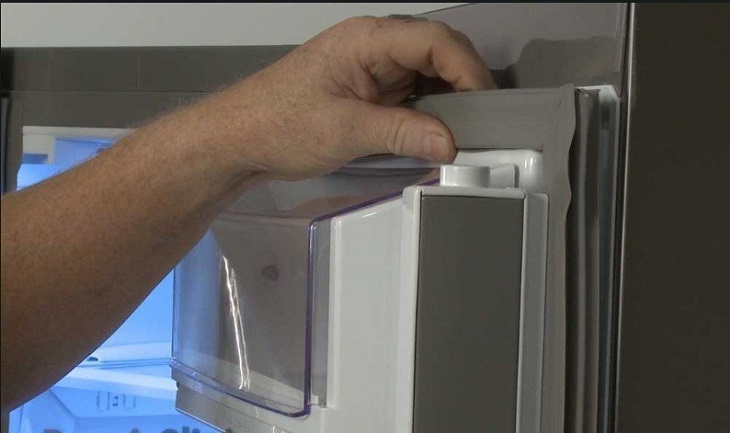
Why Does Mold Grow on Refrigerator Gaskets?
The refrigerator door seal is designed to create an airtight barrier that keeps cold air inside.
However, the Gasket Often Experiences
-
Condensation
-
Moisture buildup
-
Food splashes
-
Dust accumulation
Over Time
These conditions may create an environment where mold and mildew can thrive.
The folds and creases of the rubber gasket can be especially difficult to clean, allowing contaminants to collect unnoticed.
Signs Your Refrigerator Gasket Needs Cleaning
Many people don't inspect their refrigerator seal regularly.
Common Warning Signs Include
-
Black spots on the rubber
-
Gray or green discoloration
-
Unpleasant odors
-
Sticky residue
-
Visible dirt inside gasket folds
Even if mold is not visible, periodic cleaning is still recommended.
Why Cleaning the Gasket Is Important
A clean gasket is about more than appearance.
Regular Cleaning May Help
-
Improve hygiene
-
Reduce unpleasant odors
-
Prevent excessive mold buildup
-
Extend gasket lifespan
-
Support refrigerator efficiency
When dirt accumulates, the gasket may not seal as effectively.
Supplies You May Need
Most cleaning methods use simple household items.
Common Supplies Include
-
Warm water
-
Mild dish soap
-
White vinegar
-
Soft cloth
-
Sponge
-
Old toothbrush
-
Dry towel
For heavier mold buildup, additional cleaning products may be needed according to manufacturer recommendations.
Step 1: Unplug the Refrigerator if Necessary
For basic gasket cleaning, unplugging may not always be required.
However
If extensive cleaning is planned or electrical components may be exposed to moisture, consult the appliance manufacturer's guidance first.
Safety should always come first.
Step 2: Prepare a Cleaning Solution
One simple option is a mixture of:
Warm Water and Mild Dish Soap
This solution works well for routine maintenance and light dirt removal.
Another Common Option
A diluted white vinegar solution is often used for cleaning household surfaces.
Vinegar may help loosen grime and reduce odors.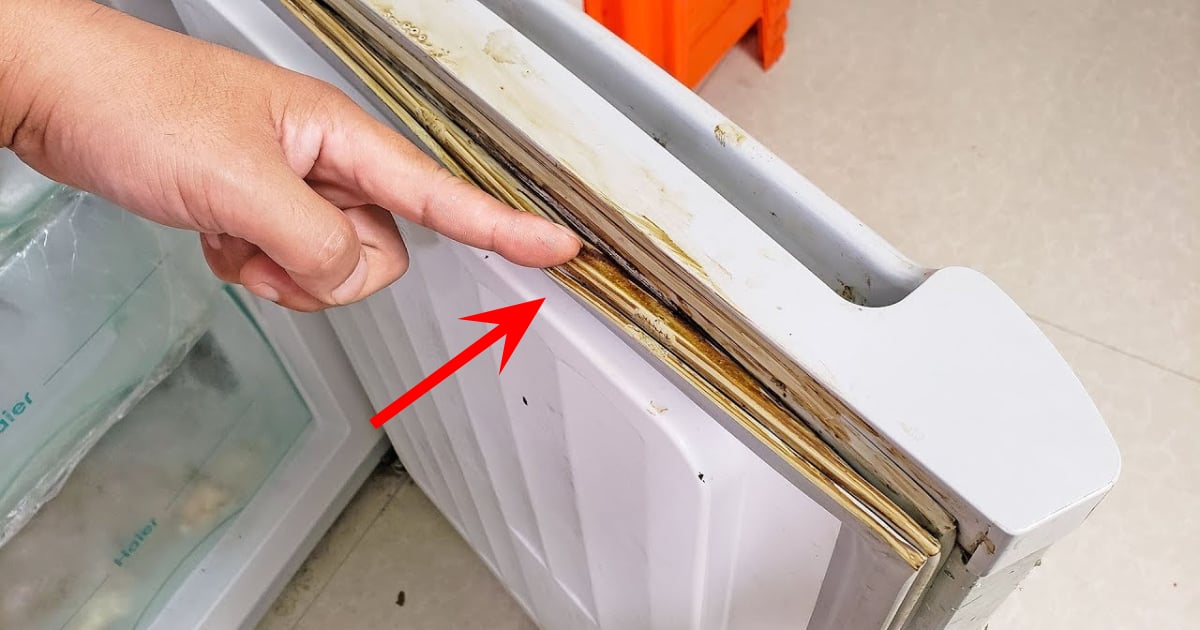
Step 3: Open the Gasket Folds
Many contaminants hide within the folds of the rubber seal.
Carefully Pull Back the Gasket
To expose:
-
Hidden dirt
-
Moisture
-
Food particles
This step is often where people discover buildup they didn't know existed.
Step 4: Gently Scrub the Area
Using a soft cloth, sponge, or toothbrush:
Focus On
-
Corners
-
Creases
-
Folded sections
Gentle scrubbing helps remove accumulated residue without damaging the rubber.
Avoid overly aggressive scrubbing that could weaken the gasket material.
Step 5: Wipe Away Residue
After cleaning:
Use a Damp Cloth
To remove:
-
Soap residue
-
Loosened dirt
-
Remaining cleaning solution
This helps prevent buildup from being redistributed.
Step 6: Thoroughly Dry the Gasket
Moisture encourages mold growth.
Therefore
Drying is one of the most important steps.
Use a clean towel to remove excess water from:
-
The gasket surface
-
Interior folds
-
Corners
Allowing moisture to remain may contribute to future mold growth.
How Often Should You Clean Refrigerator Seals?
Frequency depends on household conditions.
A General Recommendation
Inspect the gasket at least once per month.
Deep Cleaning Every Few Months
May help prevent significant buildup.
Homes with higher humidity levels may benefit from more frequent cleaning.
Preventing Mold From Returning
Cleaning is important, but prevention is even better.
Keep the Gasket Dry
After spills or condensation, wipe moisture away promptly.
Why This Helps
Mold thrives in damp environments.
Reducing moisture reduces the likelihood of growth.
Clean Food Spills Quickly
Food residue provides nutrients that support mold growth.
Common Culprits Include
-
Juice spills
-
Milk splashes
-
Sauces
-
Sticky beverages
Prompt cleanup can prevent problems later.
Check Refrigerator Temperature
Improper temperatures may contribute to excessive condensation.
Most Refrigerators Function Best
Within manufacturer-recommended temperature ranges.
Excess moisture can accumulate if cooling performance is compromised.
Inspect the Seal Regularly
A quick monthly inspection can help identify problems early.
Look For
-
Mold spots
-
Cracks
-
Tears
-
Loose sections
Addressing issues early is often easier than dealing with extensive damage.
Can Vinegar Remove Mold?
Vinegar is commonly used in household cleaning.
Why People Use It
It may help:
-
Loosen grime
-
Reduce odors
-
Clean surfaces
However, severe mold infestations may require stronger cleaning approaches or professional guidance.
Always follow manufacturer recommendations for appliance care.
What About Bleach?
Some people use bleach for mold removal.
Important Considerations
Bleach can damage certain materials if used improperly.
Before Using Any Strong Cleaner
Check:
-
Appliance instructions
-
Manufacturer recommendations
Not all refrigerator gaskets tolerate harsh chemicals equally well.
When Should the Gasket Be Replaced?
Cleaning cannot solve every problem.
Replacement May Be Necessary If the Gasket Is
-
Torn
-
Cracked
-
Brittle
-
Permanently deformed
Damaged gaskets may reduce refrigerator efficiency by allowing cold air to escape.
How a Damaged Gasket Affects Energy Use
A weakened seal forces the refrigerator to work harder.
Potential Consequences Include
-
Increased energy consumption
-
Reduced cooling performance
-
Temperature fluctuations
Maintaining the gasket supports efficient operation.
Common Mistakes to Avoid
Mistake 1: Ignoring the Gasket Entirely
Many people clean every part of the refrigerator except the seal.
Mistake 2: Using Abrasive Tools
Harsh brushes may damage the rubber.
Mistake 3: Leaving Moisture Behind
Drying is essential after cleaning.
Mistake 4: Waiting Until Mold Becomes Severe
Routine maintenance is much easier than intensive cleaning.
Additional Refrigerator Hygiene Tips
A clean gasket works best alongside overall refrigerator maintenance.
Consider
-
Cleaning shelves regularly
-
Discarding expired food
-
Wiping spills immediately
-
Checking temperature settings
-
Improving kitchen ventilation
These habits support both cleanliness and appliance performance.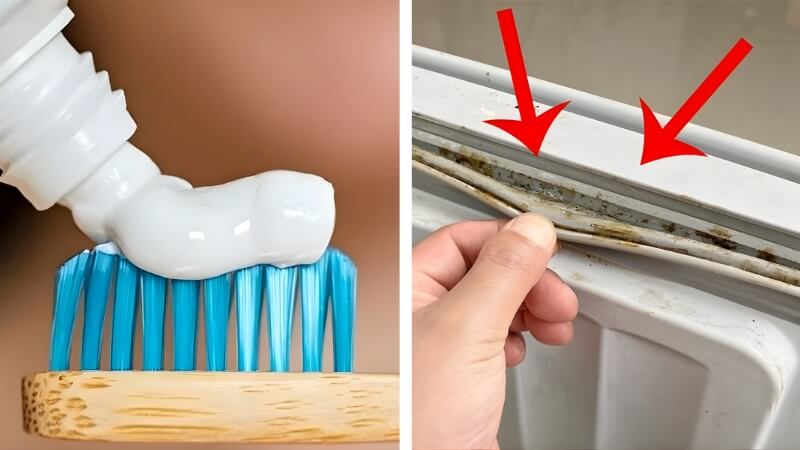
The Bigger Picture
The refrigerator gasket may seem like a small detail, but it plays a major role in maintaining food freshness, energy efficiency, and overall hygiene. Because it is exposed to moisture and hidden from view, it often becomes one of the first places where mold develops.
Fortunately, regular inspection and simple cleaning habits can go a long way toward keeping the gasket clean and functioning properly.
Final Thoughts
Mold around the refrigerator door seal is a common household problem, but it is usually manageable with routine cleaning and maintenance. Using gentle cleaning solutions, carefully cleaning the gasket folds, thoroughly drying the area, and inspecting the seal regularly can help reduce mold buildup and maintain refrigerator performance.
By giving this often-overlooked part of the refrigerator a little attention every month, you can help keep your appliance cleaner, fresher, and operating more efficiently for years to come.