7 Early Signs of Diabetes You Should Never Ignore
Diabetes is one of the most common chronic health conditions worldwide, yet many people live with it for months—or even years—without realizing it. High blood sugar often develops gradually, and the early warning signs can be easy to overlook or mistake for everyday fatigue or aging.
Recognizing these symptoms early can lead to timely medical care and help reduce the risk of serious complications, including heart disease, kidney damage, nerve problems, and vision loss. Here are seven signs that may indicate your blood sugar is higher than normal.
1. You're Constantly Thirsty
One of the earliest symptoms of diabetes is excessive thirst, also known as polydipsia. When blood sugar levels rise, your kidneys work harder to remove the excess glucose. This causes your body to lose more water through urine, leaving you dehydrated and thirsty.
If you find yourself drinking much more water than usual without an obvious reason, it's worth paying attention.
2. Frequent Urination
Needing to urinate more often—especially during the night—is another common sign. Excess glucose pulls water from your body's tissues, increasing urine production.
If your bathroom trips have suddenly become much more frequent, particularly alongside increased thirst, consider discussing it with your healthcare provider.
3. Constant Fatigue
Feeling tired even after getting enough sleep may be related to elevated blood sugar. When insulin doesn't work effectively, your body's cells struggle to use glucose for energy.
As a result, you may experience persistent fatigue, weakness, or difficulty concentrating throughout the day.
4. Blurred Vision
High blood sugar can temporarily affect the shape of the eye's lens by drawing fluid into it. This may cause blurry or fluctuating vision.
Although vision often improves once blood sugar is controlled, persistent changes should always be evaluated by an eye specialist.
5. Slow-Healing Cuts and Wounds
Cuts, scrapes, or bruises that take an unusually long time to heal may indicate poor blood sugar control. Elevated glucose levels can damage blood vessels and reduce the body's ability to fight infection and repair tissue.
Even small wounds deserve attention if they don't seem to heal normally.
6. Tingling or Numbness in the Hands and Feet
Long-term high blood sugar can damage nerves, leading to tingling, numbness, burning sensations, or pain in the hands and feet. This condition, known as diabetic neuropathy, often begins gradually.
Early recognition and proper diabetes management may help slow its progression.
7. Increased Hunger Despite Eating
People with diabetes may feel hungry shortly after meals because glucose cannot efficiently enter the body's cells. Although blood sugar is elevated, the cells themselves are not receiving the energy they need.
Persistent hunger, especially when accompanied by other symptoms on this list, should not be ignored.
When Should You See a Doctor?
Experiencing one of these symptoms does not necessarily mean you have diabetes. Many conditions can cause similar signs. However, if you notice several of these symptoms together or they persist for days or weeks, it's important to schedule a medical evaluation.
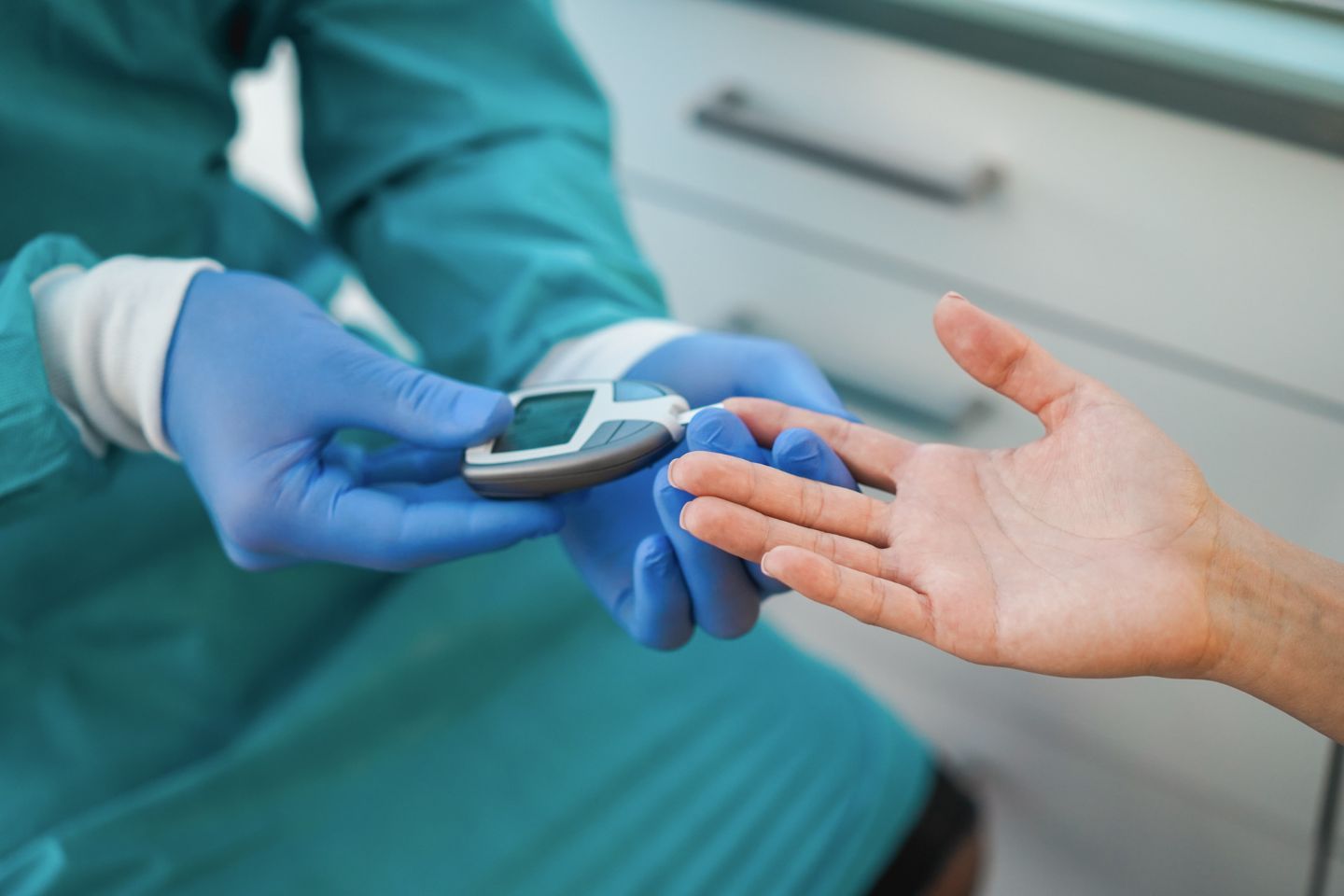
A simple blood glucose test or HbA1c test can help determine whether your blood sugar is within a healthy range.
Protecting Your Health
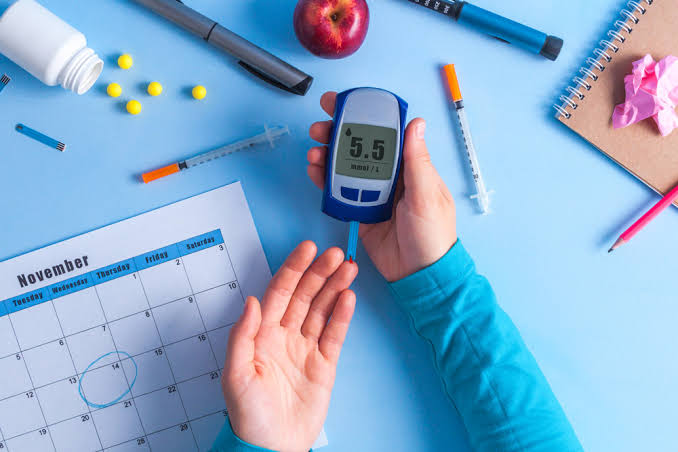
Healthy lifestyle habits can play an important role in reducing the risk of type 2 diabetes. Consider:
- Eating a balanced diet rich in vegetables, whole grains, and lean protein.
- Staying physically active most days of the week.
- Maintaining a healthy body weight.
- Limiting sugary drinks and highly processed foods.
- Getting regular medical checkups, especially if you have a family history of diabetes or other risk factors.
Final Thoughts
Diabetes often develops quietly, but your body may provide early clues that something isn't right. Paying attention to persistent symptoms such as excessive thirst, frequent urination, fatigue, blurred vision, slow-healing wounds, tingling in the extremities, and unusual hunger can help you seek care sooner.
Early diagnosis and appropriate treatment can make a significant difference in managing diabetes and reducing the risk of long-term complications. If you have concerns about your symptoms, consult a qualified healthcare professional for proper evaluation and testing.