Pouring Hot Water Down the Drain: What You Should Know Before Making It a Habit
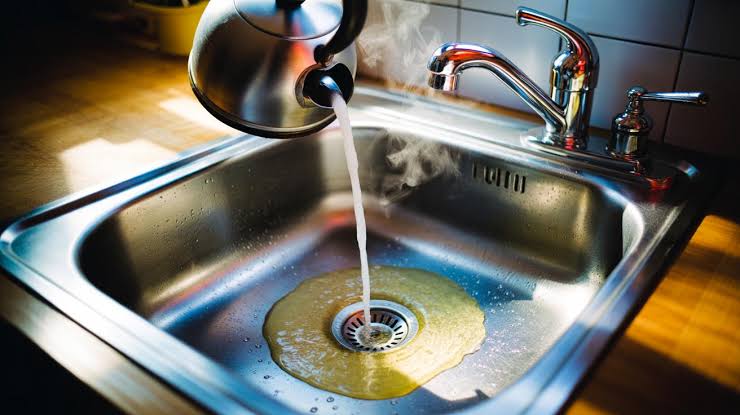
Pouring hot water down the drain is one of the most common household cleaning tricks passed down through generations. Many people believe it's a quick and inexpensive way to keep sinks flowing smoothly, prevent unpleasant odors, and even clear minor clogs. But is it really as helpful as people think?
The answer isn't entirely simple. Hot water can be useful in some situations, but depending on your plumbing system and the type of blockage you're dealing with, it may also create problems you didn't expect.
Here's what experts say you should know before reaching for that kettle.
Can Hot Water Help Keep Drains Clean?
In many cases, warm or hot water can help flush away small amounts of grease, soap residue, and food particles before they build up inside your pipes. Running hot tap water after washing dishes may help move minor debris through the plumbing system more efficiently.
For newer metal plumbing systems, moderate hot water is generally not a concern when used appropriately. Some homeowners even make a habit of occasionally flushing kitchen drains with hot water to help minimize buildup.
However, "hot water" and "boiling water" are not always the same thing—and that's where many people get into trouble.
Boiling Water Isn't Always Safe for Every Drain

One of the biggest misconceptions is that boiling water is harmless because it's simply water. In reality, extremely hot water may not be suitable for every plumbing system.
Older pipes, PVC plumbing, certain adhesives used in pipe joints, and some drain components can potentially be damaged by repeated exposure to boiling temperatures. While modern plumbing materials are designed to tolerate heat, not every home has identical pipe systems.
If you're unsure about the materials used in your plumbing, pouring boiling water directly down the drain regularly may not be the safest approach.
Hot Water Doesn't Solve Every Clog
Many people immediately grab boiling water when the sink starts draining slowly. Unfortunately, not all clogs respond well to heat.
For example:
- Hair buildup in bathroom drains
- Soap scum deposits
- Food particles packed tightly together
- Foreign objects accidentally dropped into the drain
- Mineral deposits from hard water
These problems usually require different solutions. Boiling water may temporarily improve drainage in some situations, but it often doesn't remove the underlying cause.
A clog caused by tangled hair isn't likely to disappear simply because hot water was poured over it.
Grease Can Create Unexpected Problems
Perhaps the most common kitchen drain problem involves grease and cooking oils.
Many people assume hot water immediately solves grease buildup because it melts fat. While hot water can temporarily liquefy grease, the problem doesn't necessarily disappear. As the mixture travels farther down the plumbing system and cools, the grease may solidify again and stick to pipe walls.
Over time, these deposits can gradually accumulate and contribute to stubborn blockages.
That's why experts generally recommend avoiding pouring large amounts of cooking oil or grease into the sink in the first place—even if you plan to flush it with hot water afterward.
When Hot Water May Be Helpful
Hot water can still play a useful role in routine drain maintenance when used appropriately.
It may help:
- Flush away small amounts of soap residue.
- Reduce minor food particle buildup.
- Remove light grease before it hardens.
- Help maintain normal water flow.
- Minimize mild odors caused by residue accumulation.
For everyday maintenance, warm tap water is often sufficient. Extremely high temperatures are usually unnecessary for routine cleaning.
Better Habits for Maintaining Your Drains

Keeping drains healthy doesn't always require harsh chemicals or expensive products. A few simple habits can make a significant difference.
Avoid Putting These Items Down the Drain
- Cooking grease and oils
- Coffee grounds
- Eggshells
- Rice and pasta that expand with water
- Fibrous vegetable scraps
- Hair and cotton products
Use Drain Screens
Small drain strainers can help capture food particles and hair before they become larger problems. They're inexpensive and often prevent many common clogs from forming.
Flush Regularly
Running warm water for a short period after washing dishes can help reduce residue buildup without exposing pipes to excessive heat.
Address Slow Drains Early
If your sink repeatedly drains slowly, it may indicate a developing blockage. Addressing the issue promptly is usually easier than waiting for a complete clog to form.
Should You Use Hot Water or Not?
The answer depends on the situation.
Moderately hot water may be helpful as part of regular drain maintenance for many households. However, boiling water isn't always appropriate for every plumbing system or every type of blockage.
If you're dealing with recurring clogs, severe drainage problems, or older plumbing materials, it's worth considering safer alternatives rather than repeatedly pouring extremely hot water down the drain.
Final Thoughts
Pouring hot water down the drain isn't automatically good or bad—it's simply a tool that works best when used appropriately. Understanding what causes clogs and knowing your home's plumbing system can help you make better choices.
A simple habit like protecting your drains from grease buildup, using strainers, and performing routine maintenance may ultimately be more effective than relying on boiling water alone.
Sometimes, the best way to keep your drains clean isn't about using hotter water—it's about using smarter habits every day.