Lemons and charcoal are two everyday household items that most people already have in their kitchens or storage areas. At first glance, they may seem to have little in common—one is a fresh citrus fruit known for its bright scent and acidity, while the other is a porous black material often associated with grilling or air purification. However, each has unique properties that make it surprisingly useful for a variety of household tasks.
Lemons contain citric acid, which can help dissolve mineral deposits, reduce certain stains, and neutralize odors. They also leave behind a fresh, clean scent that many people enjoy. Charcoal—particularly activated charcoal or natural lump charcoal used appropriately—is known for its porous structure, which can absorb moisture, odors, and certain impurities.
While these items are not miracle cleaners and cannot replace commercial disinfectants when sanitation is required, they can be practical additions to your regular home maintenance routine.
Here are ten practical home hacks using lemon and charcoal that you may want to try.
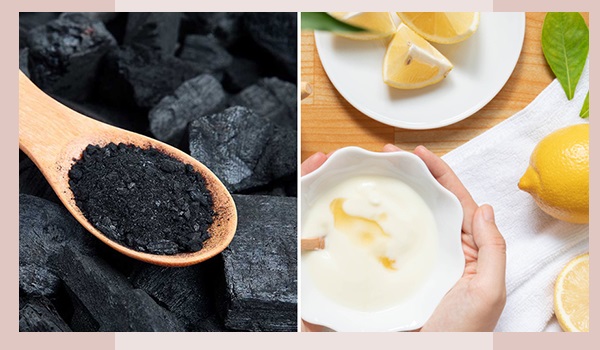
1. Freshen Your Refrigerator Naturally
Strong food odors can linger in the refrigerator even after spoiled items have been removed.
A small bowl of activated charcoal can help absorb unpleasant odors, while half of a fresh lemon can provide a light citrus aroma.
How to Do It
-
Place a small container of activated charcoal in one corner of the refrigerator.
-
Put half of a freshly cut lemon on a small plate.
-
Replace the lemon every few days.
-
Refresh or replace the charcoal according to the manufacturer's recommendations.
Remember to clean refrigerator shelves regularly, as odor absorbers cannot replace proper cleaning.
2. Help Reduce Shoe Odors
Shoes can develop unpleasant smells due to sweat and trapped moisture.
Activated charcoal is commonly used in odor-absorbing products because its porous surface can help trap odor-causing compounds.
Simple Method
-
Fill small breathable fabric bags with activated charcoal.
-
Place one bag inside each shoe overnight.
-
Remove before wearing.
For best results, allow shoes to dry completely after use and rotate pairs when possible.
3. Remove Mild Mineral Deposits From Faucets
Hard water can leave white mineral deposits on faucets and sink fixtures.
Because lemons contain citric acid, they may help loosen these deposits.
Instructions
-
Cut a lemon in half.
-
Rub the cut side gently over the affected area.
-
Let the juice sit for several minutes.
-
Wipe with a soft cloth.
-
Rinse thoroughly with clean water.
Avoid using lemon juice on natural stone surfaces such as marble or limestone, as the acid can damage them.
4. Freshen Kitchen Garbage Bins
Even when trash is removed regularly, garbage bins can develop lingering odors.
A combination of cleaning and natural odor absorbers may help.
Try This
-
Wash the bin thoroughly with soap and water.
-
Dry it completely.
-
Place a small charcoal odor absorber near the bottom.
-
Rub the inside of the lid with a fresh lemon peel before allowing it to dry.
This combination may help reduce odors between cleanings.
5. Deodorize Closets and Storage Areas
Closets and storage spaces sometimes develop musty smells due to limited airflow.
Activated charcoal may help absorb excess moisture and odors in enclosed spaces.
How to Use
-
Place activated charcoal in breathable pouches.
-
Position them on shelves or hang them inside closets.
-
Replace or recharge them according to product instructions.
Improving ventilation and addressing any sources of dampness are also important for preventing mold and mildew.
6. Help Clean Wooden Cutting Boards
Wooden cutting boards can absorb food odors over time, especially after chopping onions, garlic, or fish.
Lemon may help reduce these lingering smells.
Cleaning Method
-
Sprinkle coarse salt over the cutting board.
-
Rub with half a lemon using circular motions.
-
Let the mixture sit for about five minutes.
-
Rinse with warm water.
-
Dry the board thoroughly before storing.
Avoid soaking wooden cutting boards, as excessive moisture can cause warping or cracking.
7. Freshen the Air in Small Spaces
Instead of relying solely on heavily scented air fresheners, some people prefer simple odor-control methods.
A bowl containing activated charcoal placed in small enclosed spaces—such as laundry rooms, mudrooms, or shoe cabinets—may help reduce unwanted odors.
Adding fresh lemon slices to decorative bowls can provide a pleasant scent, though they should be replaced before they begin to spoil.
Remember that persistent odors may indicate an underlying issue, such as mold or poor ventilation, that requires attention.
8. Clean Microwave Odors
Microwaves can retain food smells after heating strongly flavored dishes.
Lemon steam may help loosen dried food residue while leaving behind a fresh scent.
Steps
-
Fill a microwave-safe bowl with one cup of water.
-
Add several lemon slices.
-
Heat until the water begins to steam.
-
Let the bowl sit inside the microwave for several minutes before opening the door.
-
Carefully remove the bowl and wipe the interior with a soft cloth.
Always use caution when handling hot containers and steam.
9. Help Reduce Moisture in Small Enclosed Areas
Moisture can contribute to stale odors and mildew in enclosed spaces.
Activated charcoal may help absorb some humidity in:
-
Storage boxes
-
Tool cabinets
-
Pantry areas
-
Linen closets
However, if you notice persistent dampness, leaks, or visible mold, the underlying moisture problem should be repaired rather than simply masked.
10. Refresh Hands After Handling Strong-Smelling Foods
After preparing foods such as garlic, onions, or fish, lingering odors can remain on your hands.
Lemon juice may help reduce these smells for many people.
Simple Tip
-
Rub your hands with half a lemon for several seconds.
-
Wash with soap and warm water.
-
Apply moisturizer afterward if your skin becomes dry.
Avoid using lemon juice on cuts, cracked skin, or irritated areas, as it may cause stinging. Also remember that citrus juice can increase the skin's sensitivity to sunlight, so wash it off thoroughly before spending time outdoors.
Choosing the Right Type of Charcoal
Not all charcoal products are intended for the same purpose.
For household odor control, consider products specifically designed for indoor use, such as activated charcoal odor absorbers.
Avoid using:
-
Charcoal soaked with lighter fluid
-
Charcoal containing chemical additives
-
Ash from burned charcoal for household cleaning
Always follow the manufacturer's instructions for safe use.
Safety Tips When Using Lemons for Cleaning
Although lemons are useful for many household tasks, they should be used carefully.
Keep these precautions in mind:
-
Do not use lemon juice on marble, granite, limestone, or other acid-sensitive natural stone surfaces unless the manufacturer confirms it is safe.
-
Test lemon juice on a small hidden area before using it on delicate materials.
-
Rinse surfaces thoroughly after cleaning if recommended.
-
Store fresh lemons properly to prevent spoilage.
When Natural Cleaners Are Not Enough
Lemon and charcoal are helpful for certain cleaning and deodorizing tasks, but they are not substitutes for proper disinfectants when hygiene is essential.
For example, you should use appropriate disinfecting products when cleaning:
-
Raw meat preparation areas
-
Bathrooms after illness
-
Surfaces contaminated with bodily fluids
-
Kitchen counters requiring sanitation after food preparation
Always follow product instructions and local public health recommendations for effective disinfection.
Additional Eco-Friendly Household Tips
If you're interested in reducing the number of harsh chemicals used around your home, consider these simple habits:
-
Open windows regularly to improve ventilation.
-
Wipe up spills promptly to prevent stains and odors.
-
Empty garbage bins frequently.
-
Wash reusable cleaning cloths often.
-
Keep kitchens and bathrooms dry to discourage mold growth.
-
Store food in sealed containers to reduce refrigerator odors.
-
Clean appliances on a regular schedule rather than waiting for odors or buildup to appear.
Combining these habits with occasional use of natural helpers like lemon and activated charcoal can make routine household maintenance easier.

Final Thoughts
Lemons and charcoal may seem like ordinary household items, but each offers practical uses that can simplify everyday cleaning and odor control. From freshening refrigerators and shoes to reducing microwave odors, cleaning cutting boards, and helping manage moisture in enclosed spaces, these affordable materials can complement your regular cleaning routine.
However, it's important to use them appropriately. Lemon's natural acidity makes it useful for certain cleaning tasks, but it can damage delicate surfaces such as natural stone. Likewise, activated charcoal is excellent for absorbing odors, but it does not disinfect surfaces or replace proper sanitation practices.
When combined with regular cleaning, good ventilation, and proper home maintenance, these simple household staples can be effective tools for keeping your living space fresh, clean, and comfortable. By understanding both their benefits and their limitations, you can make the most of these practical home hacks while maintaining a safe and healthy home environment.