Be Careful: 6 Common Foods Become To.xic When Reheated — It's Best to Throw Them Away
Below are 6 types of food you should discard instead of reheating!
In daily life, storing leftovers in the fridge and reheating them later is a common habit. However, not all foods are safe to reuse. Some familiar dishes can become toxic or harbor harmful bacteria when reheated. Here are 6 types of food that should be thrown away instead of being reheated:
1. Mushrooms
Mushrooms contain a lot of protein and enzymes that break down when reheated, producing harmful compounds that can cause digestive disorders. According to Dr. Trinh Thi Hai Yen (nutritionist at Bach Mai Hospital), reheated mushrooms may lead to bloating, diarrhea, or mild food poisoning due to degraded proteins that are no longer safe for consumption.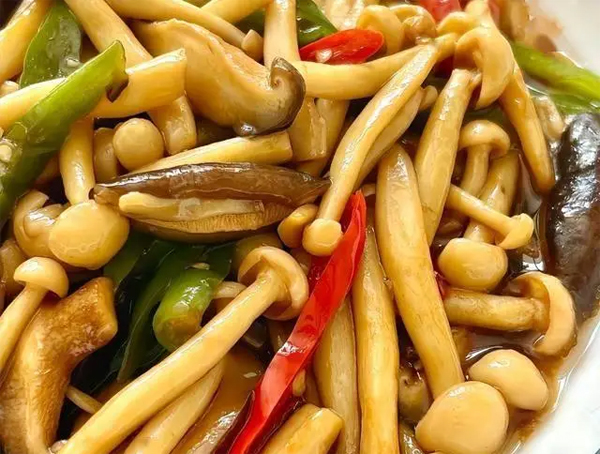
2. Seafood (fish, shrimp, squid...)
Seafood spoils easily after storage. When reheated, toxins from bacteria may cause digestive issues or even liver infections. If stored too long or reheated improperly, seafood can contain toxins that cannot be destroyed even at high temperatures, increasing the risk of food poisoning.
3. Spinach and Leafy Greens
Spinach contains high levels of nitrates. When reheated, nitrates can convert into nitrites and nitrosamines — compounds known to be carcinogenic. Dr. Hoang Thi Lan Anh (Hanoi Center for Disease Control) advises: “Do not reheat spinach, especially not in a microwave or multiple times. It's best to eat it immediately after cooking.”
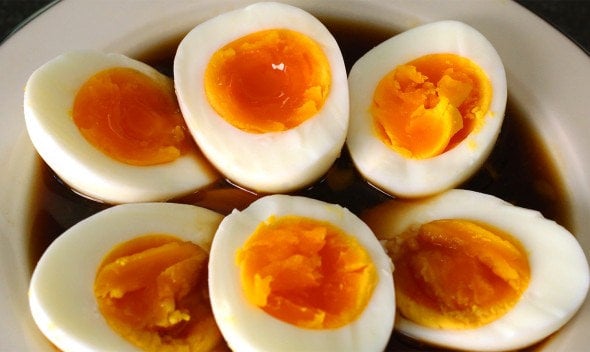
4. Soft-Boiled Eggs
Soft-boiled eggs may contain Salmonella, a bacterium that can cause diarrhea and food poisoning. Reheating often fails to kill these bacteria completely. Therefore, soft-boiled eggs should be consumed immediately after boiling and not stored in the fridge or reheated.
5. Tremella Soup
Tremella (snow fungus) is praised as a “beauty elixir” and widely used in soups for skin and health benefits.
However, this mushroom contains relatively high nitrate levels. Once cooked, nitrates may degrade into nitrites — compounds that are harmful to health.
Nitrites can disrupt digestion and, when accumulated over time, may impair the body's ability to produce blood normally. Thus, it's best to consume Tremella immediately after cooking and avoid reheating.
6. Milk
Milk is often warmed before drinking to enhance flavor and digestion. However, once heated, it should not be reheated again after cooling. Repeated reheating breaks down milk proteins and causes a significant loss of nutrients.
Drinking milk that has been reheated multiple times not only reduces nutritional value but may also cause digestive disorders or diarrhea. To ensure your health, heat milk only once and consume it right away. Avoid reheating it multiple times.
In Summary:
While reheating food is convenient, it's not always safe. The six types of food above can become harmful when reheated, posing risks from mild food poisoning to more serious health issues.
Tips:
-
Eat food immediately after cooking.
-
If storage is necessary:
-
Cool within 2 hours and consume within 24 hours.
-
Reheat only once, ensuring internal temperature reaches ≥ 74 °C (165 °F).
-
Following proper food storage and reheating practices will help protect your family's health effectively.
7. What Really Makes Reheated Food Unsafe?
Reheating leftovers is a normal part of everyday life. It saves money, reduces food waste, and makes meal preparation more convenient. However, concerns about reheated food have led to many warnings, and not all of them accurately describe the science behind food safety.
The main danger is usually not that ordinary foods suddenly become toxic simply because they are heated a second time. Instead, the risks come from improper storage, bacterial growth, contamination, and the formation of certain toxins that may survive cooking or reheating.
Understanding these differences can help families make safer decisions without unnecessarily throwing away nutritious food.
Bacteria Can Multiply When Food Is Left at Room Temperature
Many cooked foods contain moisture and nutrients that allow bacteria to grow. After cooking, food may become contaminated through hands, utensils, cutting boards, kitchen surfaces, or contact with raw ingredients.
If the food remains at an unsafe temperature for too long, bacteria can multiply rapidly. Some bacteria can also produce toxins that are not reliably destroyed by ordinary reheating.
For example, Staphylococcus aureus can produce toxins in food when conditions allow it to grow. Certain toxins produced by Bacillus cereus can also survive heating. This means that reheating food that has already been mishandled may not make it safe to eat.
The important lesson is that reheating cannot always reverse the effects of poor storage.
Reheating Does Not Automatically Destroy Every Hazard
Heat can kill many disease-causing bacteria when food reaches an appropriate internal temperature. However, the effectiveness of reheating depends on the food, its thickness, the heating method, and whether the entire portion becomes sufficiently hot.
Microwave ovens are particularly important to use carefully because they can heat food unevenly. Some areas may be steaming hot while other areas remain cool enough for bacteria to survive.
Stirring food during heating, rotating containers when appropriate, covering food to retain moisture, and allowing a short standing time can help distribute heat more evenly.
For most leftovers, a widely recommended target is an internal temperature of 165°F (74°C). A food thermometer provides a more reliable check than appearance alone.
Food Quality and Food Safety Are Different
Repeated heating can affect the flavor, texture, color, and nutritional quality of some foods. Milk may develop an unpleasant cooked flavor, vegetables may become soft, and seafood may become dry.
These changes do not automatically mean the food is dangerous.
Likewise, food that looks and smells normal is not necessarily safe. Some harmful microorganisms and toxins do not produce noticeable changes in smell, taste, or appearance.
Food safety therefore depends more on how food was handled and stored than on whether it still looks appetizing.
8. Mushrooms: Is Reheating Really Dangerous?
Mushrooms are popular in soups, stir-fries, omelets, and many other dishes. They provide fiber, B vitamins, and useful minerals, while their savory flavor makes them a versatile ingredient in home cooking.
A common warning claims that reheating mushrooms makes their proteins toxic. However, there is insufficient evidence to conclude that properly stored cooked mushrooms become poisonous simply because they are reheated.
The real concern is how mushrooms are handled after cooking.
Why Mushroom Storage Matters
Cooked mushrooms contain moisture and nutrients that can support microbial growth. If they are left on the counter for several hours, especially in a warm environment, bacteria may multiply.
This risk is not unique to mushrooms. It also applies to cooked meat, rice, pasta, vegetables, and other perishable foods.
To handle mushrooms safely: