How Stress Can Harm Your Body — And Effective Ways to Manage It 😲
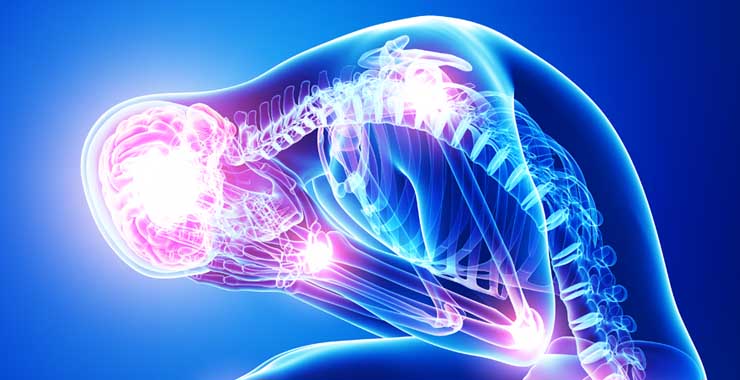
Stress is a natural part of life. In small doses, it can help you stay focused, motivated, and prepared to handle challenges. However, when stress becomes chronic, it can begin to affect nearly every system in the body, influencing both physical and mental health.
According to health experts, long-term stress is more than just an emotional burden. It can contribute to a wide range of health problems, from headaches and digestive issues to anxiety, depression, and cardiovascular disease.
Understanding how stress affects the body—and learning healthy ways to manage it—can play an important role in protecting your overall well-being.
What Happens to Your Body During Stress?
When you encounter a stressful situation, your body activates its "fight-or-flight" response.
Stress hormones such as cortisol and adrenaline are released, causing:
- Increased heart rate
- Faster breathing
- Elevated blood pressure
- Heightened alertness
- Increased muscle tension
These changes can be helpful during short-term challenges. However, when stress persists for weeks, months, or even years, the body's stress response may remain activated longer than intended, potentially leading to health problems.
Physical Effects of Chronic Stress

1. Heart and Blood Vessel Problems
Persistent stress can place extra strain on the cardiovascular system.
Over time, elevated stress hormones may contribute to:
- High blood pressure
- Increased heart rate
- Greater risk of heart disease
- Higher risk of stroke
People experiencing chronic stress may also be more likely to engage in unhealthy coping behaviors such as smoking, overeating, or excessive alcohol consumption, which can further increase cardiovascular risks.
2. Weakened Immune Function
Stress can affect the immune system's ability to defend the body against illness.
Research suggests that prolonged stress may:
- Increase susceptibility to infections
- Slow wound healing
- Worsen inflammatory conditions
This may explain why some people seem to get sick more frequently during particularly stressful periods.
3. Digestive Problems
The digestive system is especially sensitive to stress.
Common symptoms include:
- Stomach discomfort
- Nausea
- Bloating
- Diarrhea
- Constipation
- Changes in appetite
Stress may also worsen existing gastrointestinal conditions such as irritable bowel syndrome (IBS).
4. Muscle Tension and Pain
Stress often causes muscles to tighten as part of the body's protective response.
When this tension becomes chronic, it may contribute to:
- Headaches
- Neck pain
- Shoulder pain
- Back pain
- Jaw discomfort
Many people are unaware that ongoing muscle aches may be partially linked to stress.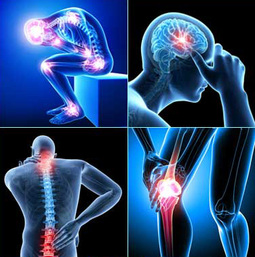
5. Sleep Disturbances
Stress can make it difficult to fall asleep or stay asleep.
Poor sleep may then increase stress levels further, creating a cycle that can be difficult to break.
Common signs include:
- Difficulty falling asleep
- Frequent nighttime awakenings
- Restless sleep
- Daytime fatigue
Mental and Emotional Effects of Stress
Chronic stress doesn't only affect the body—it can significantly impact emotional well-being.
Potential effects include:
Anxiety
Persistent worry, nervousness, and feelings of being overwhelmed are common responses to ongoing stress.
Depression
Long-term stress may increase the risk of developing symptoms of depression, including sadness, loss of motivation, and feelings of hopelessness.
Difficulty Concentrating
Many people experiencing chronic stress report:
- Brain fog
- Poor memory
- Reduced focus
- Difficulty making decisions
Irritability and Mood Changes
Stress can make individuals more emotionally reactive and less patient in everyday situations.
Signs That Stress May Be Affecting Your Health
You may want to pay closer attention if you regularly experience:
- Frequent headaches
- Ongoing fatigue
- Digestive issues
- Trouble sleeping
- Increased anxiety
- Mood swings
- Muscle tension
- Difficulty concentrating
While these symptoms can have many causes, chronic stress is often an important contributing factor.
Effective Ways to Manage Stress
The good news is that there are many healthy strategies that can help reduce stress and improve resilience.
Stay Physically Active
Regular exercise is one of the most effective stress-management tools available.
Physical activity can:
- Reduce stress hormones
- Improve mood
- Boost energy levels
- Promote better sleep
Even a daily walk can make a meaningful difference.
Prioritize Sleep
Aim for consistent, high-quality sleep whenever possible.
Helpful habits include:
- Maintaining a regular sleep schedule
- Limiting screen time before bed
- Creating a comfortable sleep environment
Practice Relaxation Techniques
Activities such as:
- Deep breathing exercises
- Meditation
- Yoga
- Mindfulness practices
can help calm the nervous system and reduce feelings of stress.
Maintain Social Connections
Talking with trusted friends, family members, or support groups can provide emotional relief and perspective during difficult times.
Eat a Balanced Diet
Nutritious foods help support both physical and mental health.
A healthy diet rich in:
- Fruits
- Vegetables
- Whole grains
- Lean proteins
may help the body cope more effectively with stress.
Seek Professional Support When Needed
If stress begins interfering with daily life, relationships, work, or overall well-being, speaking with a healthcare professional or mental health specialist can be beneficial.
The Bottom Line
Stress is an unavoidable part of life, but chronic stress should never be ignored. Over time, it can affect the heart, immune system, digestive tract, muscles, sleep quality, and mental health.
Recognizing the signs of excessive stress and taking proactive steps to manage it can improve both physical and emotional well-being. Small lifestyle changes, healthy coping strategies, and seeking support when necessary can make a significant difference.
Remember: managing stress isn't about eliminating every challenge from your life—it's about building the tools and habits that help you navigate those challenges in a healthier way.