Before Applying Nail Polish, Here's Something Many Nail Salons Don't Tell You 💅⚠️
A fresh manicure can make your hands look polished, elegant, and well cared for. Whether you prefer bold colors, classic neutrals, or trendy nail art, applying nail polish is a beauty routine enjoyed by millions of people around the world.
But what many people don't realize is that the condition of your nails before applying polish matters just as much as the polish itself. In fact, experts say that covering certain nail changes with polish could make it harder to spot early signs of health issues or nail damage.
Before your next manicure, here's what you should know.
Your Nails Can Reveal Important Health Clues
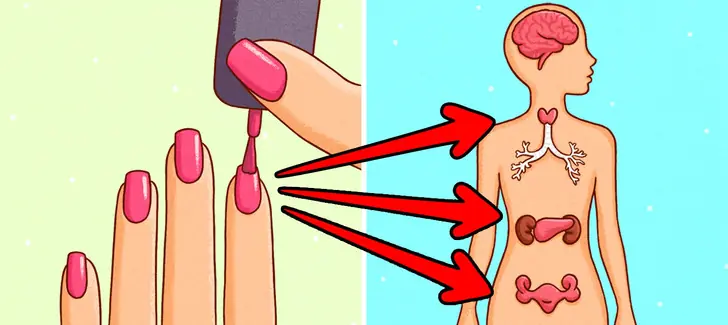
While many people view nails as purely cosmetic, healthcare professionals often regard them as small windows into overall health.
Changes in nail color, texture, thickness, or shape can sometimes signal:
- Nutritional deficiencies
- Fungal infections
- Thyroid disorders
- Circulation problems
- Liver or kidney conditions
- Autoimmune diseases
When nails are constantly covered with dark polish, gel coatings, or artificial enhancements, these changes may go unnoticed for weeks or even months.
Why Going Polish-Free Occasionally Matters
Experts often recommend taking periodic breaks from nail polish.
Leaving your nails bare for a few days allows you to inspect them carefully and look for unusual changes, including:
Yellowing
Persistent yellow discoloration may be linked to fungal infections, smoking, frequent polish use, or certain medical conditions.
White Spots
Small white spots are often harmless and may result from minor trauma to the nail. However, widespread discoloration can sometimes indicate underlying issues that deserve attention.
Dark Streaks
Dark vertical lines or streaks beneath the nail should never be ignored, particularly if they appear suddenly or change over time. Although often harmless, they may occasionally require medical evaluation.
Thickening or Separation
Nails that become unusually thick, brittle, or begin separating from the nail bed can be signs of infection or other health concerns.
Nail Polish Doesn't Let Nails "Breathe"
One common myth is that nails need to breathe.
In reality, nails are made of keratin and receive nutrients from the bloodstream rather than the air. However, continuous polish use can still contribute to certain problems.
Frequent application and removal may:
- Dry out the nail plate
- Cause brittleness
- Increase peeling and splitting
- Lead to surface staining
- Hide early signs of nail disease
Acetone-based removers can be particularly drying when used excessively.
The Hidden Impact of Gel and Acrylic Nails
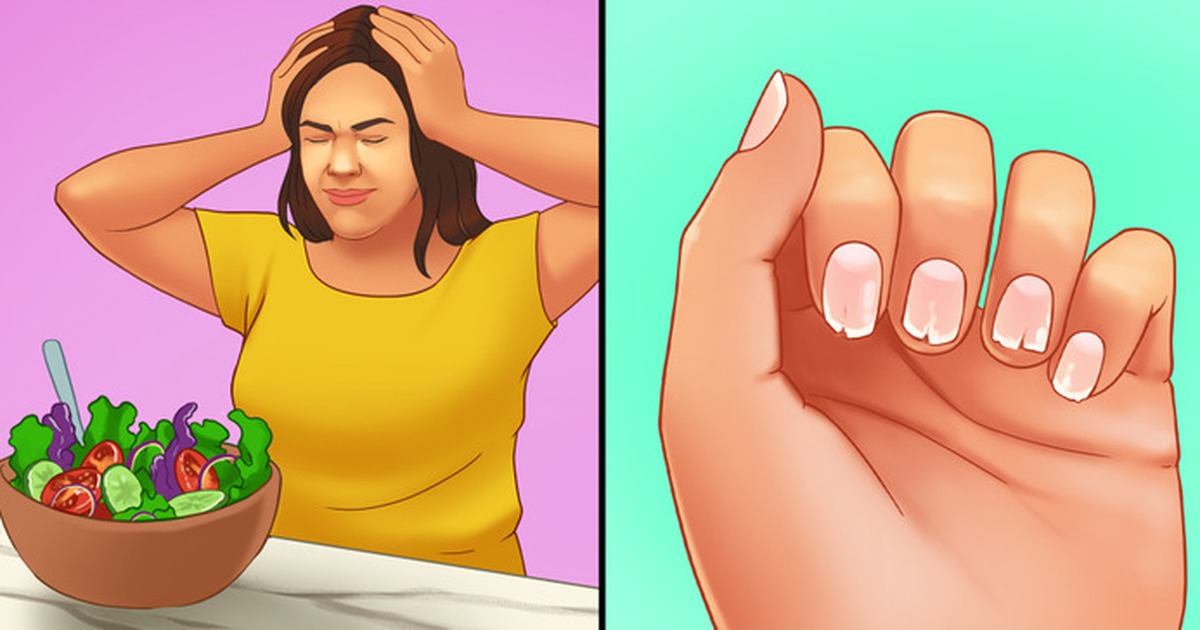
Gel manicures and acrylic enhancements have become increasingly popular because of their durability and long-lasting appearance.
However, repeated use may have drawbacks.
Potential issues include:
- Nail thinning
- Increased brittleness
- Allergic reactions to certain chemicals
- Damage caused during removal
- Greater difficulty spotting nail abnormalities
This doesn't mean you need to avoid these treatments entirely, but moderation and proper nail care are important.
How to Protect Your Nails
Healthy nails start with healthy habits.
Experts recommend:
Use a Base Coat
A quality base coat can help reduce staining and create a protective barrier between the nail and colored polish.
Moisturize Regularly
Cuticle oils and hand creams help maintain nail flexibility and reduce breakage.
Avoid Picking or Peeling Polish
Peeling off polish or gel coatings can remove layers of the nail surface and contribute to long-term damage.
Give Your Nails a Break
Allowing your nails to remain polish-free occasionally can help you monitor their condition and minimize cosmetic damage.
Eat a Balanced Diet
Protein, iron, zinc, biotin, and other nutrients play important roles in nail strength and growth.
When Should You Seek Medical Advice?
Consider consulting a healthcare professional or dermatologist if you notice:
- Persistent discoloration
- Dark streaks
- Pain or swelling around the nail
- Nail separation
- Significant thickening
- Sudden changes affecting multiple nails
Early evaluation can help identify whether a change is related to nail damage, infection, or an underlying medical condition.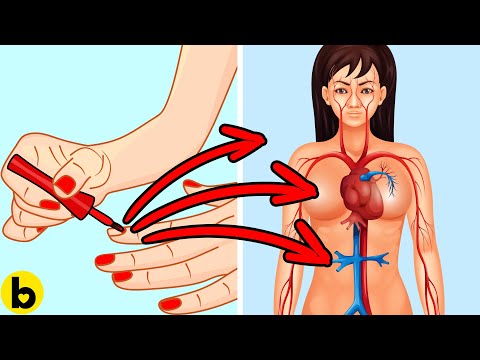
The Bottom Line
A beautiful manicure can boost confidence and complement your personal style, but it's also important to pay attention to what's happening underneath the polish.
Your nails can provide valuable clues about your overall health, and covering them continuously may make it harder to notice changes that deserve attention.
Before applying your next coat of nail polish, take a moment to examine your nails carefully. Sometimes the most important beauty tip isn't choosing the perfect color—it's making sure your nails are healthy enough to wear it.