For many homeowners, a beautiful garden is a source of pride and relaxation. Trees, shrubs, flowers, and ornamental plants can transform an ordinary yard into a peaceful outdoor retreat. However, not all landscaping choices are equally beneficial when it comes to keeping unwanted wildlife away.
One concern shared by many homeowners is the possibility of snakes taking up residence near their homes. While snakes play an important role in the ecosystem by controlling rodent populations, most people prefer not to encounter them in their gardens, patios, or garages.
Contrary to popular belief, snakes are not usually attracted to plants themselves. Instead, they are drawn to environments that provide shelter, shade, moisture, and easy access to food. Certain plants and landscaping features can unintentionally create ideal conditions for snakes to hide and thrive.
Understanding which plants may contribute to snake-friendly habitats can help homeowners make informed landscaping decisions and reduce the likelihood of unwanted encounters.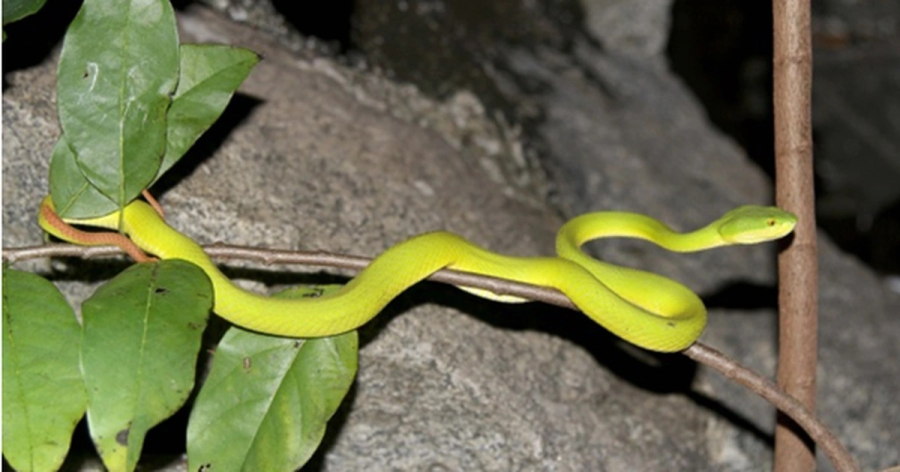
Why Snakes Are Attracted to Certain Areas
Before discussing specific plants, it is important to understand what attracts snakes in the first place.
Snakes generally seek areas that offer:
- Protection from predators
- Cool shade during hot weather
- Warm hiding spots during cooler periods
- Easy access to prey such as mice, rats, frogs, and insects
- Dense vegetation where they can remain hidden
When a garden provides several of these conditions simultaneously, snakes may view it as a suitable habitat.
1. Large Dense Ground Covers
Ground-cover plants are popular because they help suppress weeds and create an attractive landscape. However, dense ground covers can also provide excellent hiding places for snakes.
Examples include:
- Ivy
- Creeping juniper
- Pachysandra
- Vinca
These plants spread close to the ground and often form thick mats of vegetation.
Because visibility underneath these plants is limited, snakes can move around unnoticed and remain protected from predators.
Homeowners who choose ground covers should keep them well-maintained and avoid allowing them to become excessively overgrown.
2. Tall Ornamental Grasses
Ornamental grasses are prized for their beauty and low maintenance requirements. However, they can become ideal snake shelters when allowed to grow too large.
Common examples include:
- Pampas grass
- Fountain grass
- Maiden grass
- Switchgrass
These plants create dense clumps with shaded interiors that remain cool even during hot summer months.
The thick foliage makes it difficult to detect animals hiding inside, making ornamental grasses particularly attractive to snakes.
Regular trimming and maintenance can help reduce this risk.
3. Thick Shrubs and Hedges
Large shrubs and hedges often serve as natural privacy screens around homes.
While they provide beauty and security, they can also create excellent hiding places for snakes.
Examples include:
- Boxwood
- Privet
- Yew
- Holly shrubs
Dense foliage blocks sunlight and creates protected spaces underneath.
If leaves, mulch, and debris accumulate beneath these plants, they become even more attractive to snakes and the rodents they hunt.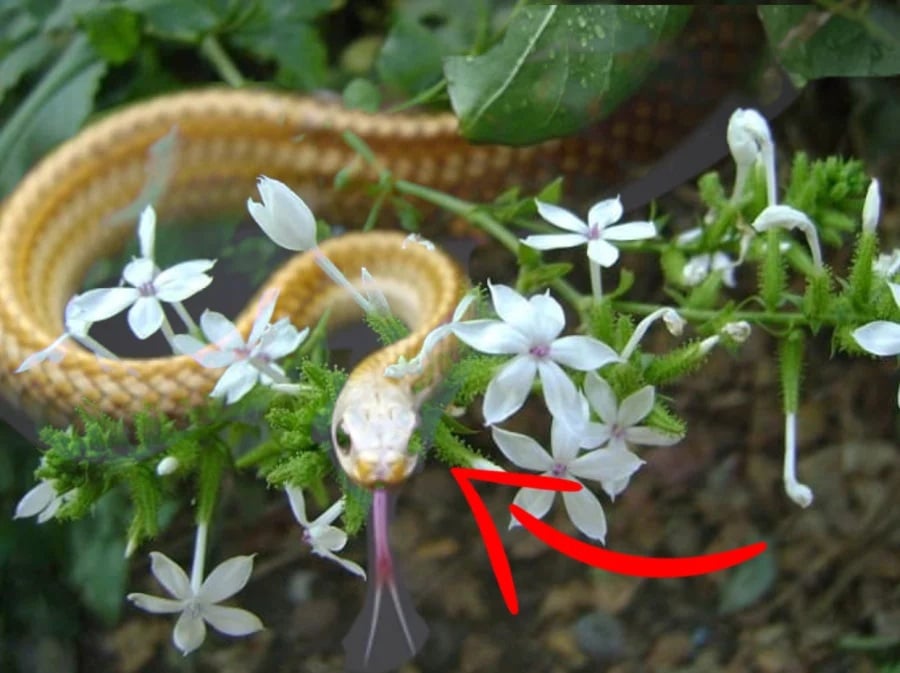
4. Bamboo
Bamboo is a fast-growing plant that creates dense clusters of stems and leaves.
Although many homeowners appreciate its tropical appearance and privacy benefits, bamboo groves can become difficult to monitor.
The thick growth provides:
- Shade
- Protection
- Moisture retention
- Concealed travel paths
These conditions may encourage snakes to remain nearby.
Regular thinning and maintenance can help prevent bamboo from becoming an ideal hiding place.
5. Low-Hanging Bushes
Bushes with branches that touch the ground often create dark spaces underneath.
These shaded areas provide perfect shelter for snakes seeking protection from heat and predators.
Examples include:
- Azaleas
- Rhododendrons
- Junipers
- Certain evergreen shrubs
Pruning lower branches can improve visibility and reduce hiding opportunities.
6. Fruit Trees That Attract Rodents
Fruit trees themselves do not attract snakes directly.
However, fallen fruit often attracts:
- Rats
- Mice
- Squirrels
- Insects
Since snakes feed on many of these animals, fruit trees can indirectly increase snake activity.
Common examples include:
- Apple trees
- Pear trees
- Peach trees
- Fig trees
Regularly collecting fallen fruit can significantly reduce this problem.
7. Overgrown Vegetable Gardens
Vegetable gardens can become attractive habitats for snakes when they are poorly maintained.
Tall plants, dense vines, and accumulated debris create numerous hiding spots.
Vegetable gardens may also attract rodents and insects, providing a food source for snakes.
Keeping garden beds neat and removing excess vegetation can help reduce risk.
8. Ivy-Covered Walls and Structures
English ivy and similar climbing plants are often used to cover fences, walls, and buildings.
Although visually appealing, these plants create hidden spaces where snakes can move undetected.
The dense foliage may also provide nesting sites for rodents, which further attracts snakes.
Homeowners should regularly inspect ivy-covered areas and trim excessive growth.
Other Landscaping Features That May Encourage Snakes
Plants are only part of the equation.
Several common landscaping features can also attract snakes:
Wood Piles
Firewood stacks provide warmth, shelter, and protection.
Rock Gardens
Large rocks create cool crevices where snakes can hide.
Mulch Beds
Deep mulch retains moisture and provides cover.
Compost Piles
Compost attracts insects and rodents that snakes may hunt.
Unused Equipment
Stored materials and neglected outdoor items can become ideal hiding places.
Plants That May Help Discourage Snakes
Some gardeners believe certain plants may help deter snakes because of their strong scents or physical characteristics.
Examples often mentioned include:
- Marigolds
- Lemongrass
- Garlic
- Onion plants
- Society garlic
However, scientific evidence supporting these claims is limited.
Good yard maintenance remains far more effective than relying on any particular plant.
Practical Ways to Reduce Snake Activity
Homeowners can make their properties less attractive to snakes by following several simple practices:
Keep Grass Short
Regular mowing reduces hiding spots.
Remove Yard Debris
Leaves, branches, and clutter should be cleaned up regularly.
Control Rodents
Reducing food sources helps discourage snakes.
Seal Entry Points
Close gaps around foundations, sheds, and garages.
Maintain Landscaping
Prune shrubs and trim overgrown vegetation.
Store Firewood Properly
Keep wood elevated and away from the house.
Why Snakes Are Not Always the Enemy
Although many people fear snakes, it is important to remember that most species are harmless and beneficial.
Snakes help control populations of:
- Rats
- Mice
- Insects
- Other garden pests
In many cases, a snake spotted in the yard is simply passing through in search of food or shelter.
Understanding their behavior can help homeowners respond calmly and appropriately.
When to Call a Professional
If a homeowner encounters a snake they cannot identify, or if a potentially venomous snake is found near living areas, professional wildlife removal services should be contacted.
Attempting to handle snakes without proper training can be dangerous.
Experts can safely relocate animals while minimizing risk to people and pets.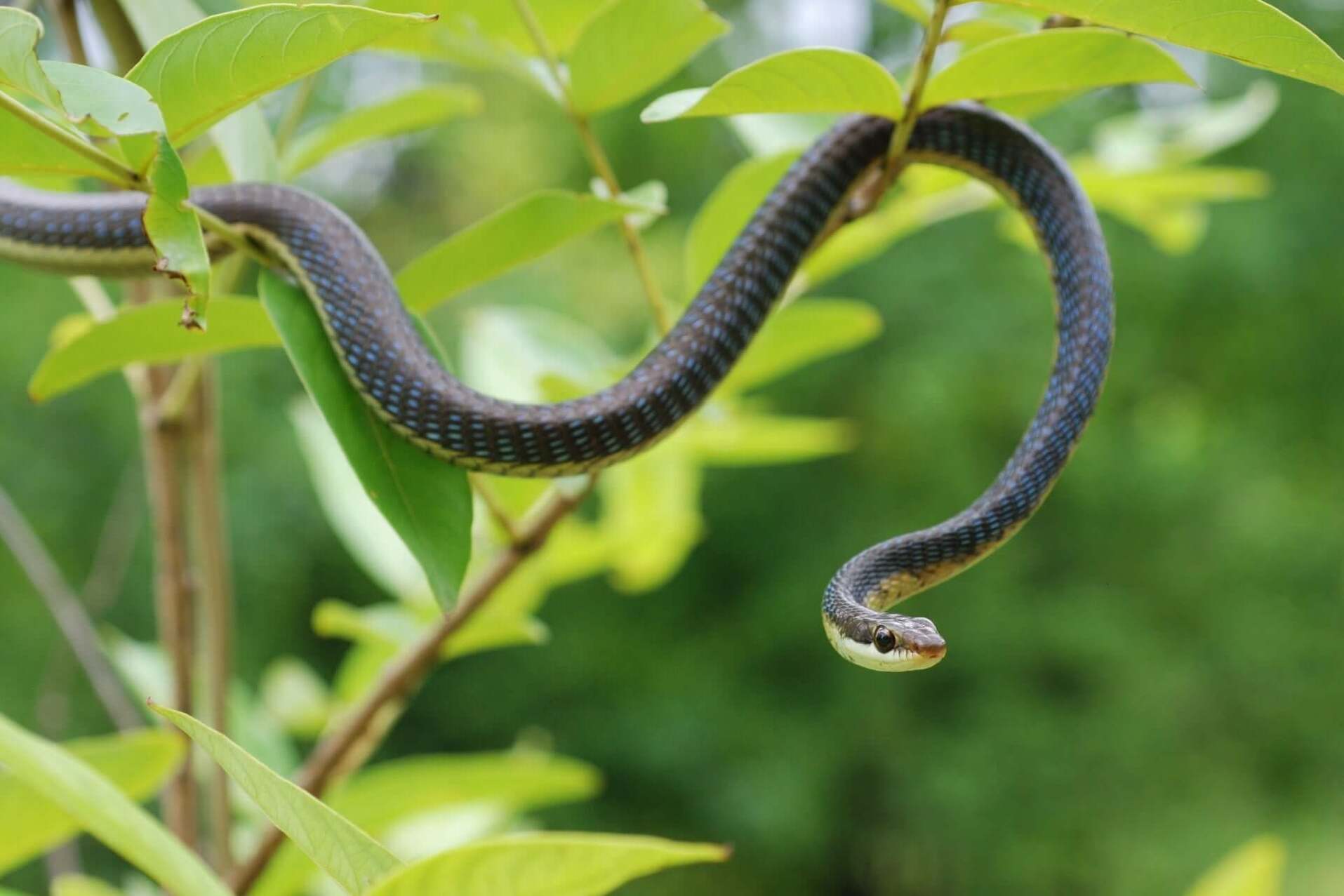
Final Thoughts
Snakes are generally attracted not to specific plants themselves but to the shelter, shade, moisture, and food sources that certain landscaping choices provide. Dense ground covers, tall ornamental grasses, thick shrubs, bamboo, ivy-covered structures, and poorly maintained gardens can all create favorable conditions for snakes.
Fortunately, simple landscaping practices such as regular pruning, debris removal, rodent control, and proper maintenance can greatly reduce the chances of snakes settling near your home.
A well-maintained yard not only looks attractive but also creates a safer and more comfortable environment for everyone who enjoys it. By understanding how certain plants contribute to snake-friendly habitats, homeowners can make smarter choices and enjoy their outdoor spaces with greater peace of mind.