Your kidneys work tirelessly every day, filtering waste products, balancing fluids, regulating blood pressure, and helping maintain the body's overall health. Despite their vital role, kidney problems often develop silently, with few noticeable symptoms in the early stages. By the time obvious signs appear, significant damage may have already occurred.
According to health experts, millions of people worldwide are living with kidney disease without realizing it. The early warning signs are often subtle and easily mistaken for normal aging, stress, or minor health issues. Recognizing these symptoms early can help individuals seek medical attention sooner and potentially prevent serious complications.
Here are 8 early warning signs that may indicate your kidneys need attention.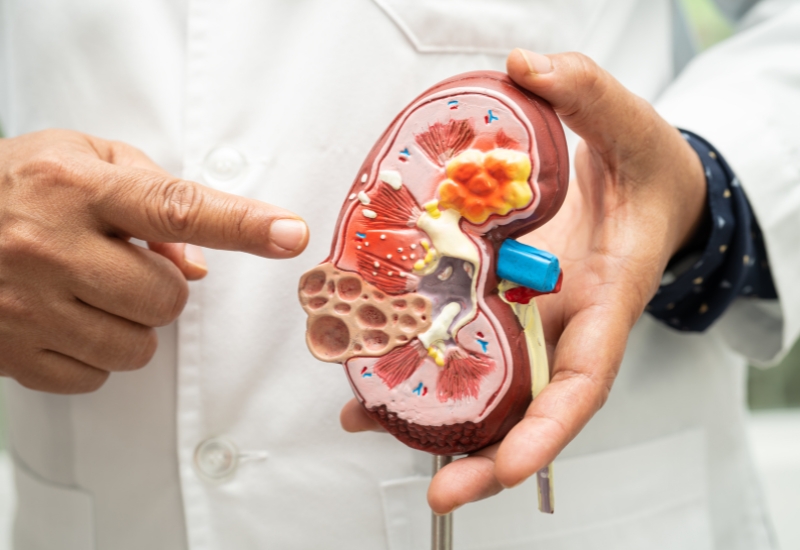
1. Persistent Fatigue and Low Energy
Feeling tired after a long day is normal. However, ongoing fatigue that doesn't improve with rest could be a sign of kidney dysfunction.
Healthy kidneys produce a hormone called erythropoietin, which helps the body make red blood cells. When kidney function declines, production of this hormone may decrease, leading to anemia. Reduced oxygen delivery throughout the body can result in persistent tiredness, weakness, difficulty concentrating, and decreased stamina.
Many people dismiss chronic fatigue as a result of aging or a busy lifestyle, but it may be worth discussing with a healthcare provider if it becomes persistent.
2. Changes in Urination
One of the earliest clues of kidney problems often appears in the bathroom.
Watch for changes such as:
- Urinating more frequently, especially at night
- Producing less urine than usual
- Foamy or bubbly urine
- Dark-colored urine
- Difficulty urinating
- Feeling pressure during urination
Because the kidneys are responsible for producing urine, noticeable changes in urinary habits may signal that they are not functioning properly.
3. Swelling in the Feet, Ankles, or Hands
Healthy kidneys remove excess sodium and fluid from the body. When kidney function declines, fluid can accumulate in tissues, causing swelling.
Many people first notice puffiness in the ankles, feet, legs, hands, or face. Shoes may feel tighter, rings may become difficult to remove, and swelling may worsen as the day progresses.
Although swelling can have several causes, persistent fluid retention should never be ignored.
4. Puffy Eyes
Waking up occasionally with mild puffiness around the eyes is common. However, consistent swelling around the eyes may indicate that protein is leaking into the urine.
Healthy kidneys normally keep important proteins in the bloodstream while filtering waste. Damaged kidney filters may allow protein to escape, resulting in noticeable puffiness around the eyes.
This symptom is often overlooked because many people attribute it to lack of sleep, allergies, or stress.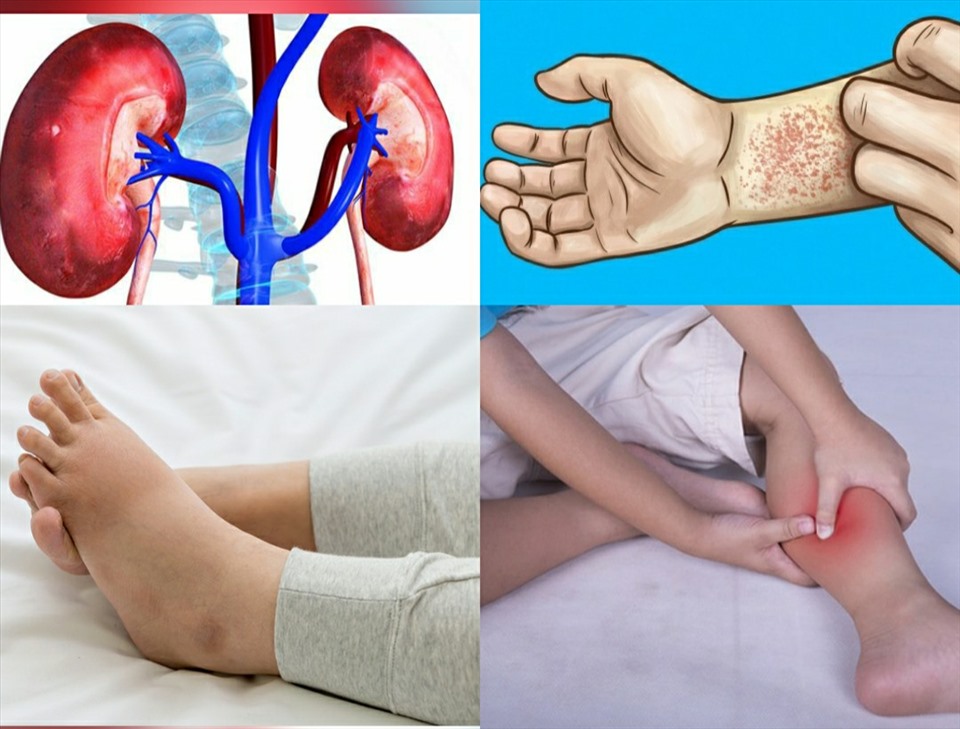
5. Dry and Itchy Skin
Skin problems are not usually the first thing people associate with kidney disease, but they can be an important warning sign.
Healthy kidneys help maintain the balance of minerals and nutrients in the body. When kidney function declines, waste products can build up in the bloodstream, leading to dry, irritated, and itchy skin.
Persistent itching that cannot be explained by allergies, weather conditions, or skin disorders may warrant further evaluation.
6. Muscle Cramps
Frequent muscle cramps, especially in the legs, can sometimes be linked to kidney issues.
Kidney dysfunction may disrupt the balance of electrolytes such as calcium, phosphorus, and potassium. These minerals are essential for proper muscle function. When levels become abnormal, painful cramps and muscle spasms can occur more frequently.
Although occasional cramps are common, recurring episodes may indicate an underlying problem.
7. Poor Appetite and Unexplained Nausea
As waste products accumulate in the bloodstream due to reduced kidney function, many individuals experience digestive symptoms.
Common signs include:
- Loss of appetite
- Feeling full quickly
- Unexplained nausea
- Occasional vomiting
- Unintended weight loss
Because these symptoms are vague and can occur with many conditions, they are often overlooked during the early stages of kidney disease.
8. High Blood Pressure That Is Difficult to Control
The kidneys and cardiovascular system work closely together. Damaged kidneys can contribute to elevated blood pressure, and high blood pressure can further damage the kidneys.
This creates a harmful cycle that may worsen over time.
If blood pressure remains elevated despite lifestyle changes or medication, healthcare providers may investigate whether kidney dysfunction is playing a role.
Who Is Most at Risk?
Certain groups have a higher risk of developing kidney disease, including:
- Individuals with diabetes
- People with high blood pressure
- Adults over age 60
- Smokers
- People with obesity
- Those with a family history of kidney disease
- Individuals with cardiovascular disease
For these groups, regular health screenings can be especially important.
How to Protect Your Kidneys
The good news is that many kidney problems can be prevented or slowed through healthy lifestyle choices.
Consider these kidney-friendly habits:
Stay Hydrated
Adequate water intake helps the kidneys remove waste efficiently. However, hydration needs vary depending on age, health status, and activity level.
Control Blood Pressure
Maintaining healthy blood pressure is one of the most important ways to protect kidney function.
Manage Blood Sugar
For people with diabetes, controlling blood glucose levels can significantly reduce the risk of kidney damage.
Eat a Balanced Diet
A diet rich in fruits, vegetables, whole grains, and lean proteins can support kidney health while limiting excessive sodium and processed foods.
Exercise Regularly
Physical activity helps maintain healthy blood pressure, body weight, and cardiovascular health.
Avoid Excessive Use of Pain Relievers
Frequent use of certain over-the-counter pain medications may contribute to kidney damage when used excessively or for long periods.
Get Regular Checkups
Routine blood and urine tests can identify kidney problems before symptoms become severe.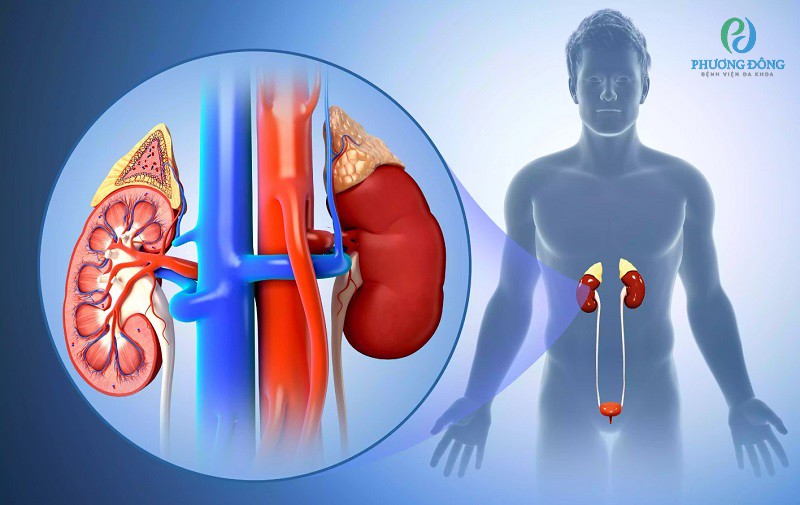
Final Thoughts
Kidney disease is often called a "silent condition" because it can develop gradually without obvious symptoms. Fatigue, changes in urination, swelling, itchy skin, muscle cramps, nausea, puffy eyes, and difficult-to-control blood pressure may all serve as early warning signs that something is wrong.
Experiencing one of these symptoms does not necessarily mean kidney disease is present. However, persistent or worsening symptoms should be evaluated by a qualified healthcare professional.
Paying attention to these subtle changes and seeking medical advice early may help protect kidney function, improve overall health, and prevent more serious complications in the future. Your kidneys work around the clock to keep your body healthy - taking care of them today can make a significant difference for years to come.