Many people experience occasional discomfort in their fingers and hands. After all, our hands are among the most frequently used parts of the body. Whether typing, cooking, driving, exercising, or performing daily tasks, the fingers are constantly at work.
Because of this, it can be easy to dismiss pain, tenderness, or swelling in the fingers as a minor issue caused by overuse or temporary strain. However, persistent symptoms should not always be ignored. In some cases, finger pain and swelling may be the body's way of signaling an underlying health condition that requires attention.
While occasional soreness is usually harmless, recurring symptoms, increasing discomfort, or noticeable swelling may indicate problems involving the joints, nerves, immune system, circulation, or other parts of the body.
Let's explore some of the most common causes of finger pain and swelling and when it may be time to seek medical advice.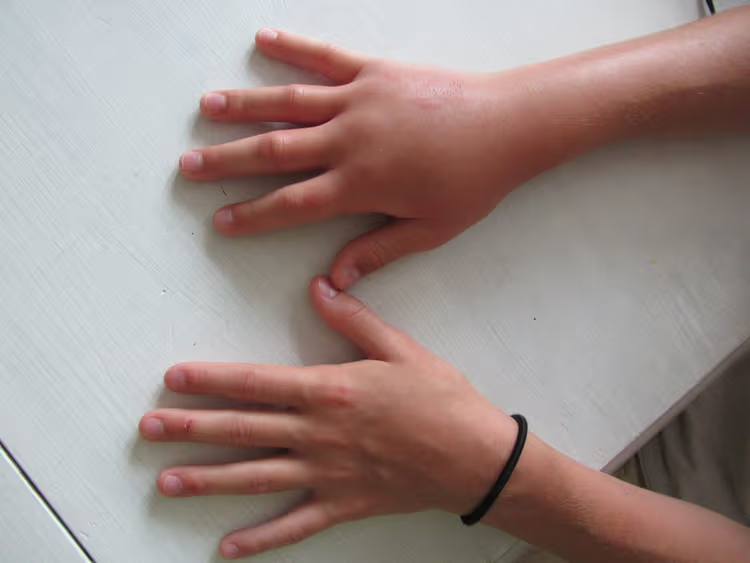
Understanding Finger Pain and Swelling
Finger pain can appear in several forms, including:
- Aching
- Burning
- Throbbing
- Sharp pain
- Stiffness
- Tenderness
Swelling may affect:
- One finger
- Multiple fingers
- The entire hand
- Specific joints
Some people notice symptoms only in the morning, while others experience discomfort throughout the day.
The pattern of symptoms often provides important clues about the underlying cause.
1. Arthritis
One of the most common causes of finger pain and swelling is arthritis.
Arthritis refers to inflammation affecting the joints.
Osteoarthritis
Osteoarthritis develops when the protective cartilage covering the joints gradually wears down.
Symptoms may include:
- Joint stiffness
- Swelling
- Reduced flexibility
- Pain during movement
Finger joints are particularly vulnerable because they are used so frequently.
Rheumatoid Arthritis
Rheumatoid arthritis is an autoimmune disease in which the immune system mistakenly attacks healthy joint tissue.
Symptoms often include:
- Swollen finger joints
- Morning stiffness
- Tenderness
- Symmetrical symptoms affecting both hands
Without treatment, rheumatoid arthritis can cause long-term joint damage.
2. Gout
Many people associate gout with the big toe, but it can also affect the fingers.
Gout occurs when uric acid crystals accumulate in joints.
Symptoms
- Sudden severe pain
- Redness
- Swelling
- Warmth around the joint
A gout attack may develop rapidly and become extremely painful.
Diet, genetics, kidney function, and other factors can influence gout risk.
3. Carpal Tunnel Syndrome
Although carpal tunnel syndrome primarily affects the wrist, symptoms often extend into the fingers.
This condition occurs when the median nerve becomes compressed as it passes through the wrist.
Common Symptoms
- Tingling
- Numbness
- Weakness
- Finger discomfort
Symptoms often worsen at night or after repetitive hand activities.
Early treatment may help prevent long-term nerve damage.
4. Tendonitis
Tendons connect muscles to bones and help control finger movement.
Repeated motions can sometimes irritate these tendons.
Possible Causes
- Typing
- Sports activities
- Manual labor
- Repetitive hand movements
Symptoms
- Swelling
- Pain during movement
- Tenderness
- Reduced grip strength
Rest and proper hand care often help improve symptoms.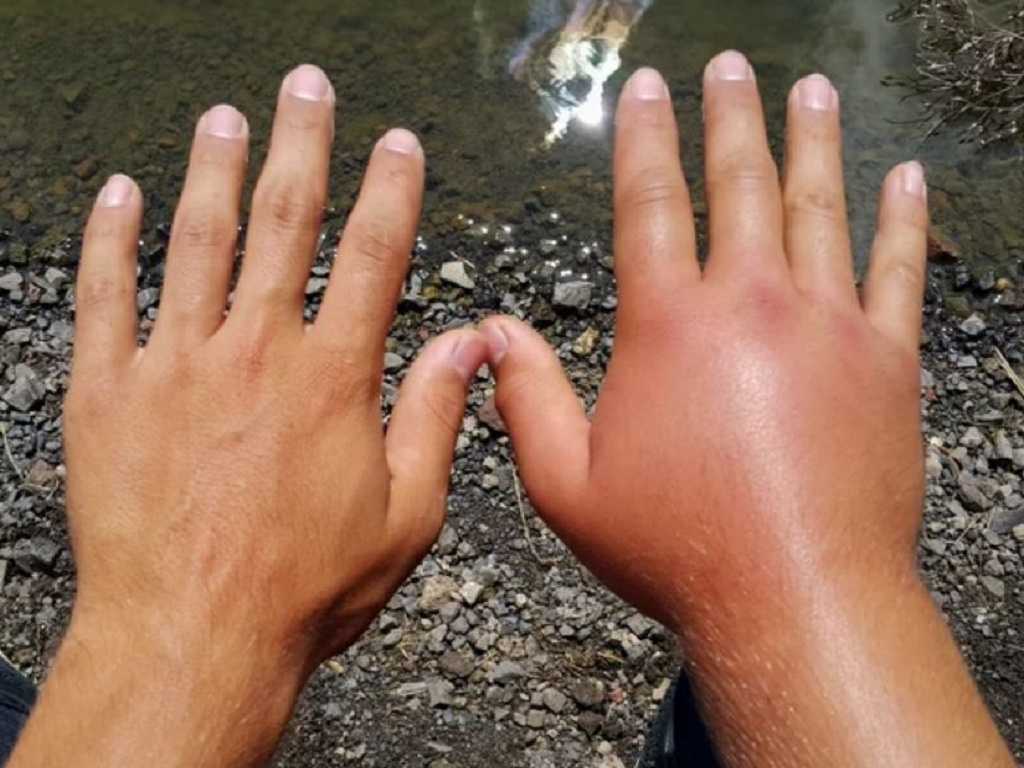
5. Trigger Finger
Trigger finger occurs when inflammation affects the tendons responsible for finger movement.
Symptoms
- Finger stiffness
- Clicking sensations
- Locking of the finger
- Pain near the base of the finger
Many individuals notice symptoms are worse upon waking.
Treatment options range from rest and exercises to medical procedures in severe cases.
6. Injury or Trauma
Sometimes the cause is straightforward.
A finger may become painful and swollen due to:
- Sprains
- Fractures
- Dislocations
- Sports injuries
Even seemingly minor injuries can cause significant swelling.
Medical evaluation may be necessary if symptoms are severe or mobility becomes limited.
7. Infection
Certain infections can cause finger swelling and pain.
Signs of Infection
- Redness
- Warmth
- Swelling
- Pus
- Fever
Infections may develop after cuts, puncture wounds, or nail injuries.
Prompt treatment is important because untreated infections can spread.
8. Autoimmune Disorders
Several autoimmune diseases can affect the hands and fingers.
Examples include:
- Lupus
- Psoriatic arthritis
- Scleroderma
These conditions occur when the immune system attacks healthy tissues.
Symptoms may include:
- Joint pain
- Swelling
- Fatigue
- Skin changes
Early diagnosis often improves long-term outcomes.
9. Poor Circulation
The fingers rely on healthy blood flow to function properly.
Circulation problems may cause:
- Swelling
- Cold fingers
- Discoloration
- Numbness
- Pain
One example is Raynaud's phenomenon, a condition that causes blood vessels in the fingers to temporarily narrow.
Symptoms are often triggered by cold temperatures or stress.
10. Fluid Retention
Sometimes finger swelling is related to fluid accumulation rather than joint disease.
Fluid retention may occur due to:
- High sodium intake
- Hormonal changes
- Pregnancy
- Certain medications
- Kidney problems
Swelling caused by fluid retention often affects both hands simultaneously.
Warning Signs That Should Not Be Ignored
While occasional mild discomfort may not be concerning, certain symptoms warrant medical attention.
Seek professional evaluation if you experience:
- Severe pain
- Rapid swelling
- Fever
- Joint deformity
- Persistent symptoms
- Numbness
- Loss of function
- Skin discoloration
These signs may indicate a condition requiring prompt treatment.
How Doctors Diagnose Finger Problems
A healthcare provider may use several methods to identify the cause.
Medical History
Questions may include:
- When symptoms began
- Whether symptoms come and go
- Family history of arthritis
- Previous injuries
Physical Examination
The doctor may assess:
- Range of motion
- Swelling
- Tenderness
- Joint stability
Imaging Tests
These may include:
- X-rays
- Ultrasound
- MRI scans
Blood Tests
Blood tests can help detect:
- Inflammation
- Autoimmune conditions
- Uric acid levels
- Infection
Treatment Options
Treatment depends entirely on the underlying cause.
Possible options include:
Lifestyle Modifications
- Rest
- Hand exercises
- Weight management
- Ergonomic adjustments
Medications
Depending on the condition, doctors may recommend:
- Anti-inflammatory medications
- Pain relievers
- Disease-modifying drugs
- Antibiotics
Physical Therapy
Therapy may improve strength, flexibility, and hand function.
Surgical Procedures
In certain cases, surgery may be necessary to correct structural problems or relieve nerve compression.
Supporting Hand and Joint Health
Several habits may help maintain healthy hands and joints.
Stay Active
Regular movement helps keep joints flexible.
Eat a Balanced Diet
Nutrient-rich foods support overall joint health.
Maintain a Healthy Weight
Excess body weight can increase inflammation throughout the body.
Protect Your Hands
Use proper techniques during repetitive tasks and wear protective equipment when necessary.
Stay Hydrated
Hydration supports healthy tissue function.
Final Thoughts
Pain, tenderness, and swelling in the fingers may seem like minor annoyances, but they can sometimes signal a more significant health concern. Conditions such as arthritis, gout, tendon disorders, autoimmune diseases, nerve compression, infections, and circulation problems can all affect the fingers and hands.
Paying attention to persistent symptoms and seeking medical evaluation when necessary can help identify problems early and prevent complications. The hands are essential to daily life, and protecting their health is an important part of maintaining overall well-being.
If finger pain and swelling continue, worsen, or interfere with everyday activities, it may be time to consult a healthcare professional and determine what your body is trying to tell you.