
9 Vegetables That Should Be Washed Thoroughly to Reduce the Risk of Contamination
Why These 9 Vegetables Should Be Washed More Carefully Before Eating?
Health 14/04/2026 16:58
A brain aneurysm is a serious condition that occurs when a weakened area in a blood vessel in the brain bulges or balloons out. In many cases, aneurysms develop silently and may not cause noticeable symptoms—until they become large or rupture, which can be life-threatening.
Understanding the early warning signs can make a critical difference. While not all aneurysms show symptoms, some people experience subtle changes that should never be ignored.
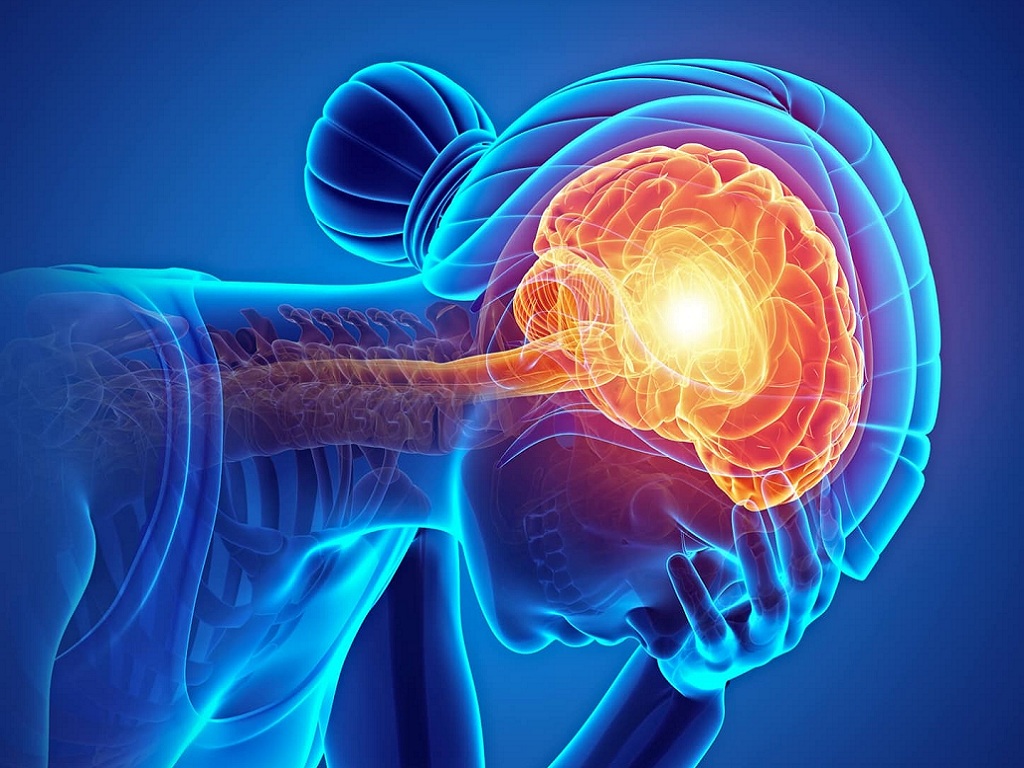
A brain aneurysm forms when the wall of a blood vessel becomes weak and begins to bulge. This bulge can press on nearby nerves or brain tissue. If it ruptures, it can lead to bleeding in the brain, known as a hemorrhagic stroke.
Early detection is key—but it can be challenging because symptoms are often mild or mistaken for other conditions.
Often described as the “worst headache of your life,” this can be a major warning sign—especially if it comes on suddenly.
Blurred or double vision may occur if the aneurysm presses on nerves related to the eyes.
Persistent pain in or around one eye can be an early signal.
One pupil may become larger than the other due to nerve pressure.
A noticeable droop in one eyelid can indicate nerve involvement.
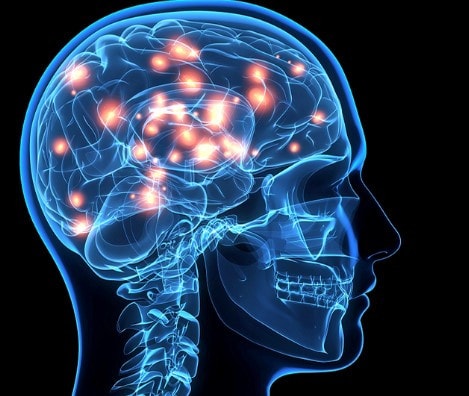
You may feel numbness or weakness on one side of the face or body.
Slurred speech or trouble finding words can be a neurological warning sign.
Increased sensitivity to light (photophobia) may occur in some cases.
This can happen if there is irritation in the surrounding areas.
These symptoms may accompany increased pressure in the brain.
You may feel dizzy or have trouble walking steadily.
In rare cases, seizures may occur as a sign of brain disturbance.
Seek immediate medical attention if you or someone else experiences:
These could be signs of a ruptured aneurysm, which is a medical emergency.
Certain factors may increase the risk of developing a brain aneurysm, including:
Many of these symptoms can be mistaken for less serious conditions like migraines, stress, or fatigue. However, when symptoms are sudden, severe, or unusual, they should never be ignored.
Early detection can help prevent rupture and improve outcomes.
A brain aneurysm can be silent—but sometimes, the body gives subtle warnings. Recognizing these early signs and acting quickly can be life-saving.
If something feels unusual or severe, trust your instincts and seek medical care. When it comes to brain health, it’s always better to be cautious than to wait.
Why These 9 Vegetables Should Be Washed More Carefully Before Eating?

Top 12 Foods for a Healthy Gut and Better Digestion

10 Symptoms to Pay Attention to for Your Overall Health
5 Vegetables and 3 Fruits That May Help Support Liver Health

Did You Know? Your Hands and Feet May Show These 4 Signs Before Cancer
Kidney Health: Early Signs to Watch For and How to Protect Them
Warning Signs That Could Indicate Your Kidneys Need Care

What Breast Size May Indicate About Hormonal Health?

Unusual Itching in the Body: What These Signs Might Indicate?

Red or itchy skin with ring-shaped spots could be your body sending a warning

7 Days of Coconut Water on an Empty Stomach: Surprising Changes You Should Know

Do You Let Your Cat Sleep With You? Here Are Some Risks to Be Aware Of
What Changes in Your Hand Veins Could Be Telling You

Waking Up at 3–4 A.M.? Here’s What It Could Mean
A Neck Lump Could Be More Serious Than You Think

Dreams of loved ones may reflect memory, emotion, and healing.

How Daily Ginger Consumption Impacts Your Health

Exploring the Nutritional Value of Chicken Gizzards

Eating Grilled Corn: How It Affects Your Body
Why These 9 Vegetables Should Be Washed More Carefully Before Eating?
Top 12 Foods for a Healthy Gut and Better Digestion
10 Symptoms to Pay Attention to for Your Overall Health
5 Vegetables and 3 Fruits That May Help Support Liver Health
Did You Know? Your Hands and Feet May Show These 4 Signs Before Cancer
Kidney Health: Early Signs to Watch For and How to Protect Them
Warning Signs That Could Indicate Your Kidneys Need Care

The Untold Truth: How Bullying Affects a Monkey
What Breast Size May Indicate About Hormonal Health?
Unusual Itching in the Body: What These Signs Might Indicate?
Red or itchy skin with ring-shaped spots could be your body sending a warning
7 Days of Coconut Water on an Empty Stomach: Surprising Changes You Should Know
Do You Let Your Cat Sleep With You? Here Are Some Risks to Be Aware Of
Walnuts: Healthy or Risky? Here’s What Doctors Say
What Changes in Your Hand Veins Could Be Telling You
Waking Up at 3–4 A.M.? Here’s What It Could Mean
A Neck Lump Could Be More Serious Than You Think

You Might Be Surprised: The Effects of Eating Too Much Rice
Dreams of loved ones may reflect memory, emotion, and healing.