The Dads They Needed Most: A Story of Care, Connection, and Chosen Family
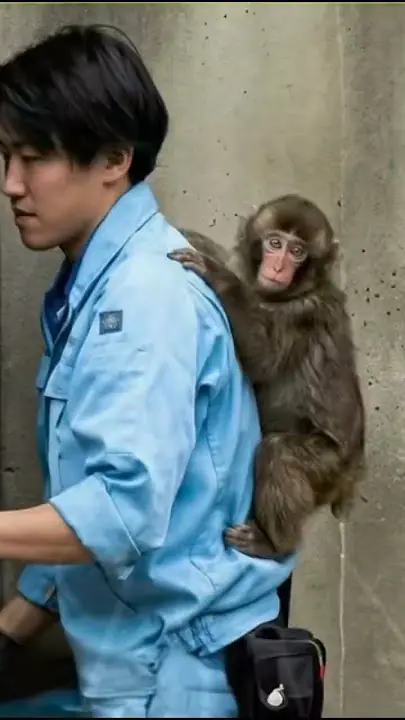
More Than Caretakers: The Quiet Love That Turned Into Family at Ichikawa Zoo
News 23/04/2026 15:02
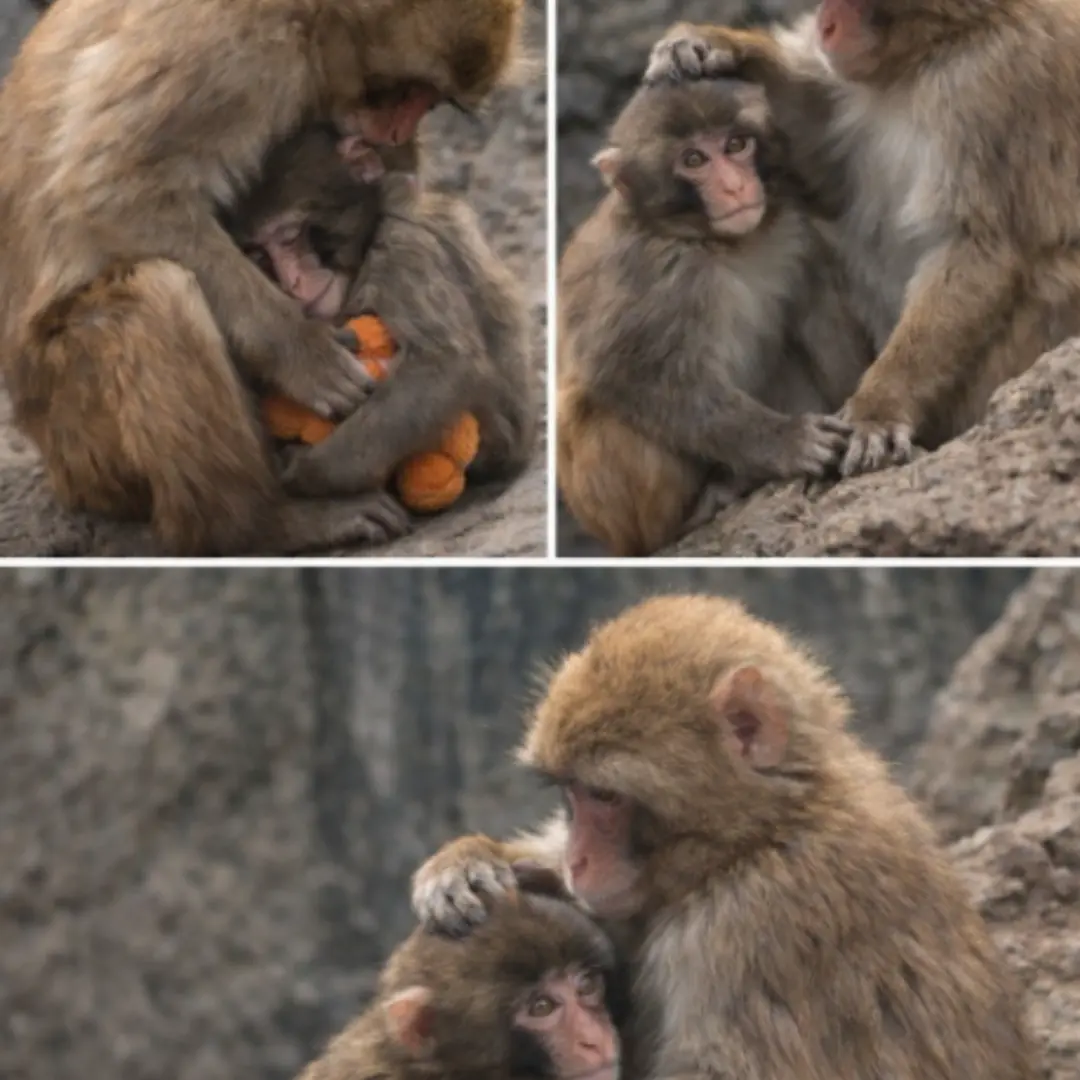
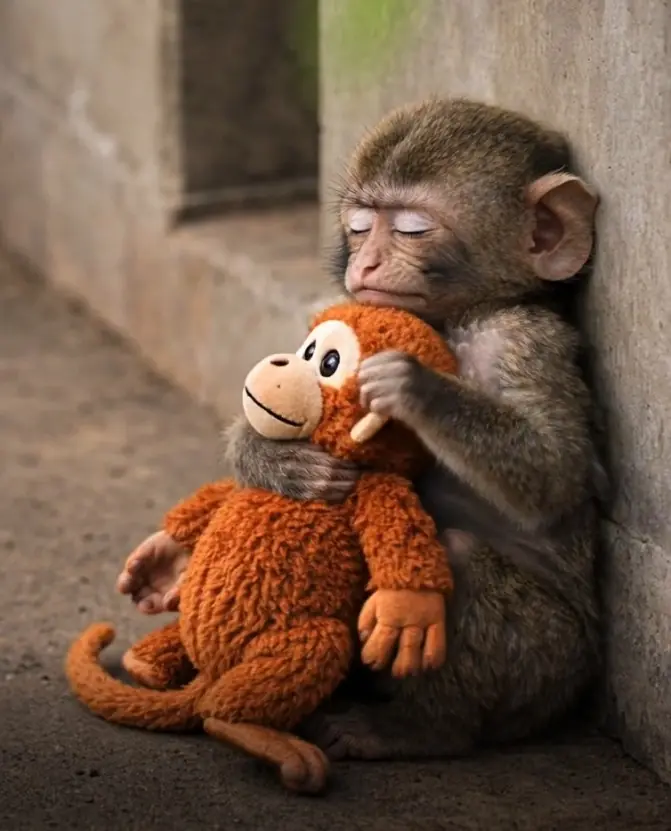
At first glance, it looks like nothing more than a heartwarming moment—a small monkey wrapping its arms around another, holding on tightly as if it never wants to let go. It’s the kind of scene that melts millions of hearts online. But behind that simple, adorable gesture lies something much deeper.
Monkey hugs are not just cute. They are meaningful, instinctive, and essential for survival. And in many ways, they reflect something profoundly human.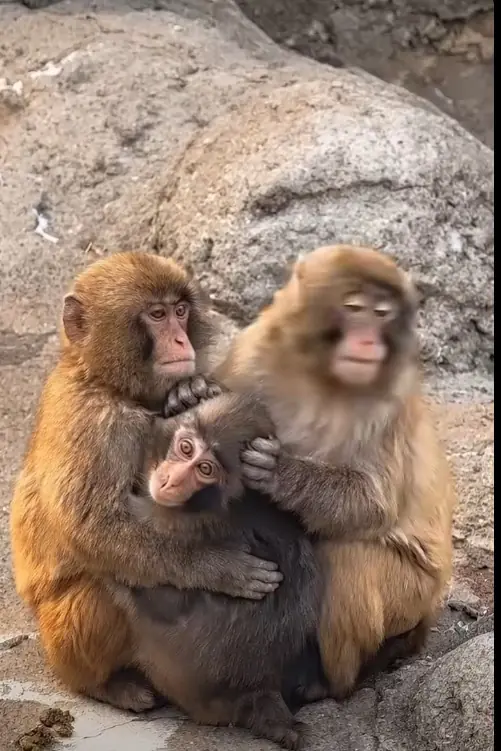
In the wild, monkeys don’t hug randomly. Physical closeness—whether through hugging, grooming, or simply sitting pressed against one another—is a core part of how they communicate and survive.
These behaviors are rooted in what scientists call “contact comfort”—the idea that physical touch provides emotional security and reduces stress. For monkeys, especially young ones, touch is not optional. It’s a necessity.
When a baby monkey feels scared, overwhelmed, or separated, it doesn’t need instructions or explanations. It reaches out. It clings. It hugs.
Because that contact means safety.
For some monkeys, especially those in stressful or unfamiliar environments, hugging becomes even more important. It acts as a coping mechanism—a way to regulate fear and anxiety.
Without that sense of closeness, stress levels can rise dramatically. But with it, something shifts.
The body relaxes.
The mind calms.
The world feels manageable again.
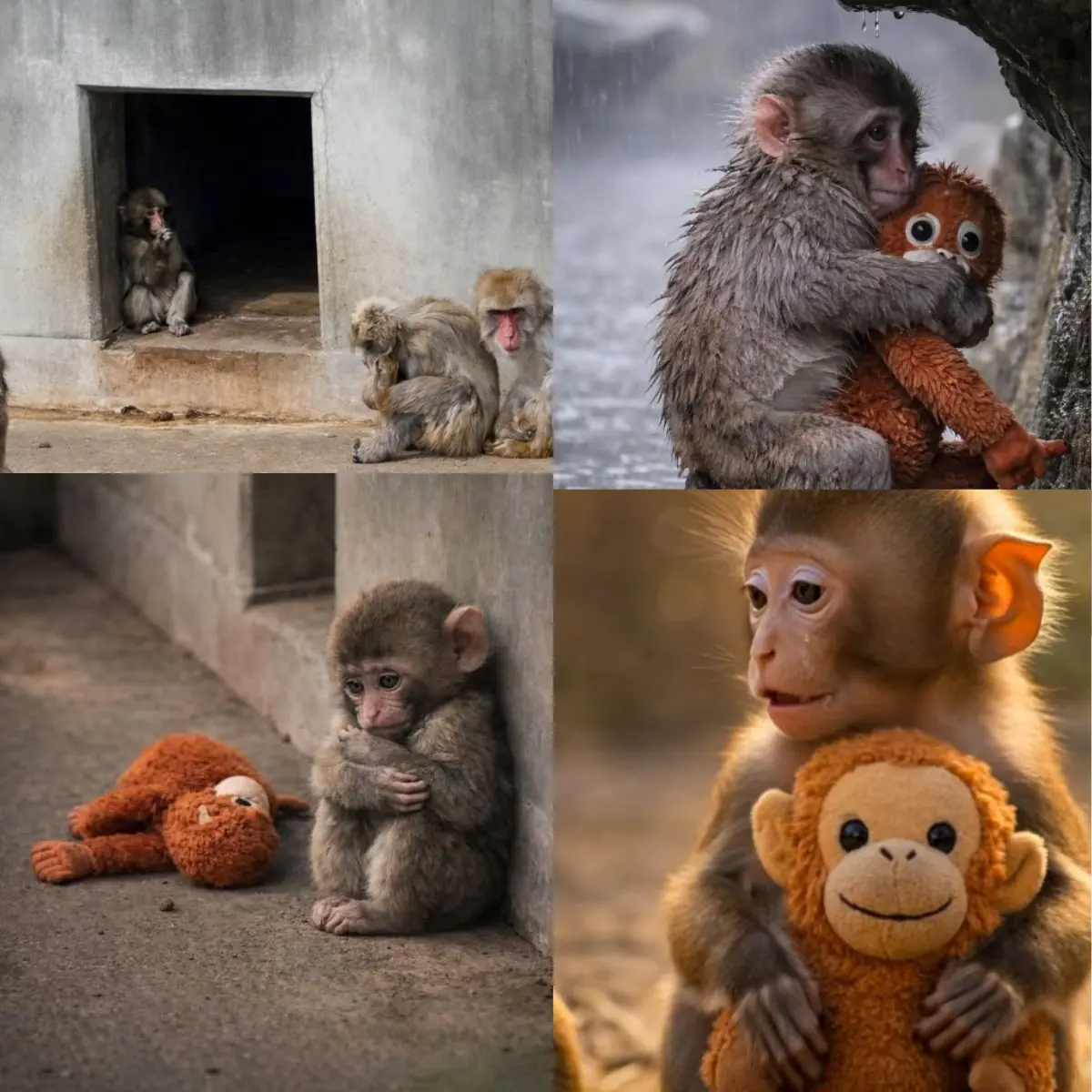
In many cases, monkeys will even cling to soft objects or companions as substitutes for comfort. This isn’t weakness—it’s instinct. It’s their way of grounding themselves when everything else feels uncertain.
What’s fascinating is that this behavior isn’t unique to monkeys. Humans experience something very similar.
When we hug, our bodies release oxytocin, often called the “bonding hormone.” This chemical helps:
At the same time, levels of cortisol (the stress hormone) begin to drop.
That’s why something as simple as a 20-second hug can feel so powerful. It’s not just emotional—it’s biological.
Monkeys may not understand the science, but they live it every day.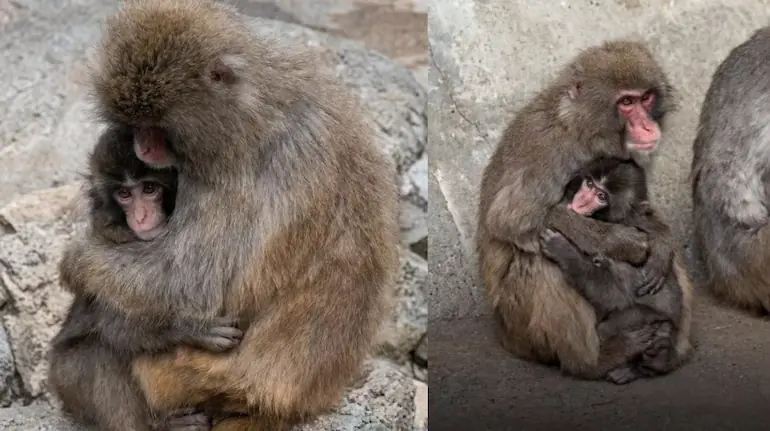
One of the most powerful lessons from monkey behavior is this: comfort doesn’t always come from words.
When a monkey is distressed, no one gives it a lecture. No one tells it to “be strong” or “calm down.” Instead, another monkey moves closer. It offers presence. Warmth. Contact.
And that’s enough.
Humans, on the other hand, often overcomplicate comfort. We search for the right words, the perfect advice, the solution that will fix everything. But in many situations—grief, heartbreak, loneliness—what people truly need isn’t advice.
They need presence.
They need to feel held, understood, and not alone.
It’s easy to look at monkeys and think their behavior is simple. But in reality, it reflects something deeply fundamental about all of us.
We spend so much time chasing ways to feel better—therapy, self-help books, distractions, achievements. And while those things can help, they often miss something essential: connection.
A baby monkey doesn’t overthink comfort. It doesn’t question whether it “should” need it. It simply reaches out.
And maybe that’s something we’ve forgotten how to do.
In a fast-paced, digital world, physical connection is becoming rarer. Messages replace conversations. Emojis replace touch. And yet, our need for closeness hasn’t changed.
If anything, it’s stronger than ever.
A hug may seem small, but its impact is profound. It can:
It’s one of the simplest, most powerful forms of kindness we can offer.
And it costs nothing.
So, why do monkeys hug?
Because it makes them feel safe.
Because it helps them cope.
Because it connects them to one another in a way nothing else can.
And maybe, deep down, that’s why we do it too.
The next time you see a monkey hug and think, “That’s adorable,” pause for a moment. Look a little closer.
It’s not just cute.
It’s comfort.
It’s survival.
It’s love, in its simplest form.
And in a world that often feels overwhelming, maybe the lesson is this:
Sometimes, the most powerful thing we can do… is simply hold on.
❤️
More Than Caretakers: The Quiet Love That Turned Into Family at Ichikawa Zoo
From Storms to Smiles: Understanding the Emotional Seasons We All Go Through

When Safety Becomes Home: The Meaning of Truly Belonging 🌿
How Trust Is Built Slowly—and Why It Lasts So Deeply
The Power of Stillness: What Punchy Teaches Without Words

A Small Act of Care Before a Sweet Moment with Momo-chan
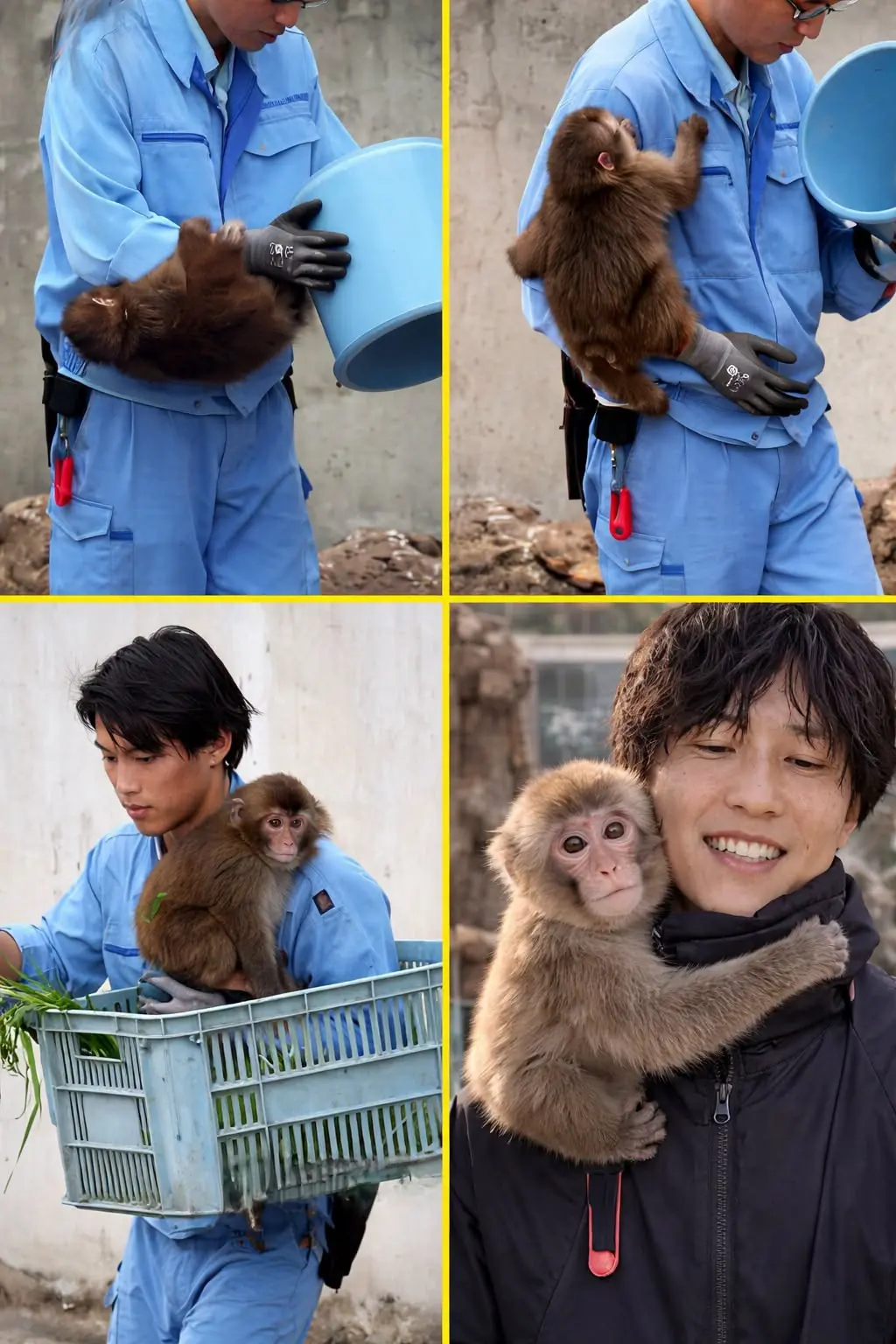
Even When Everything Was Shaking, Punchy Never Let Go
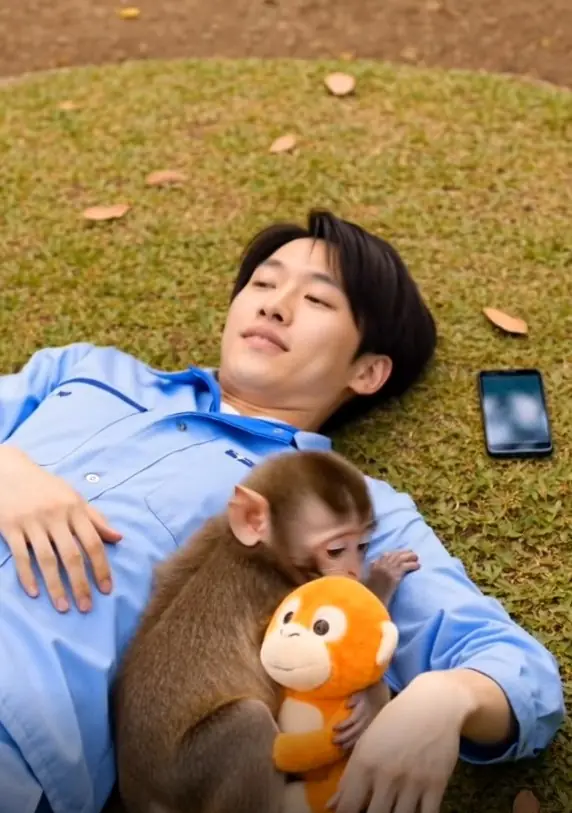
Sometimes We Don’t Notice the Signs Until They Become Loud
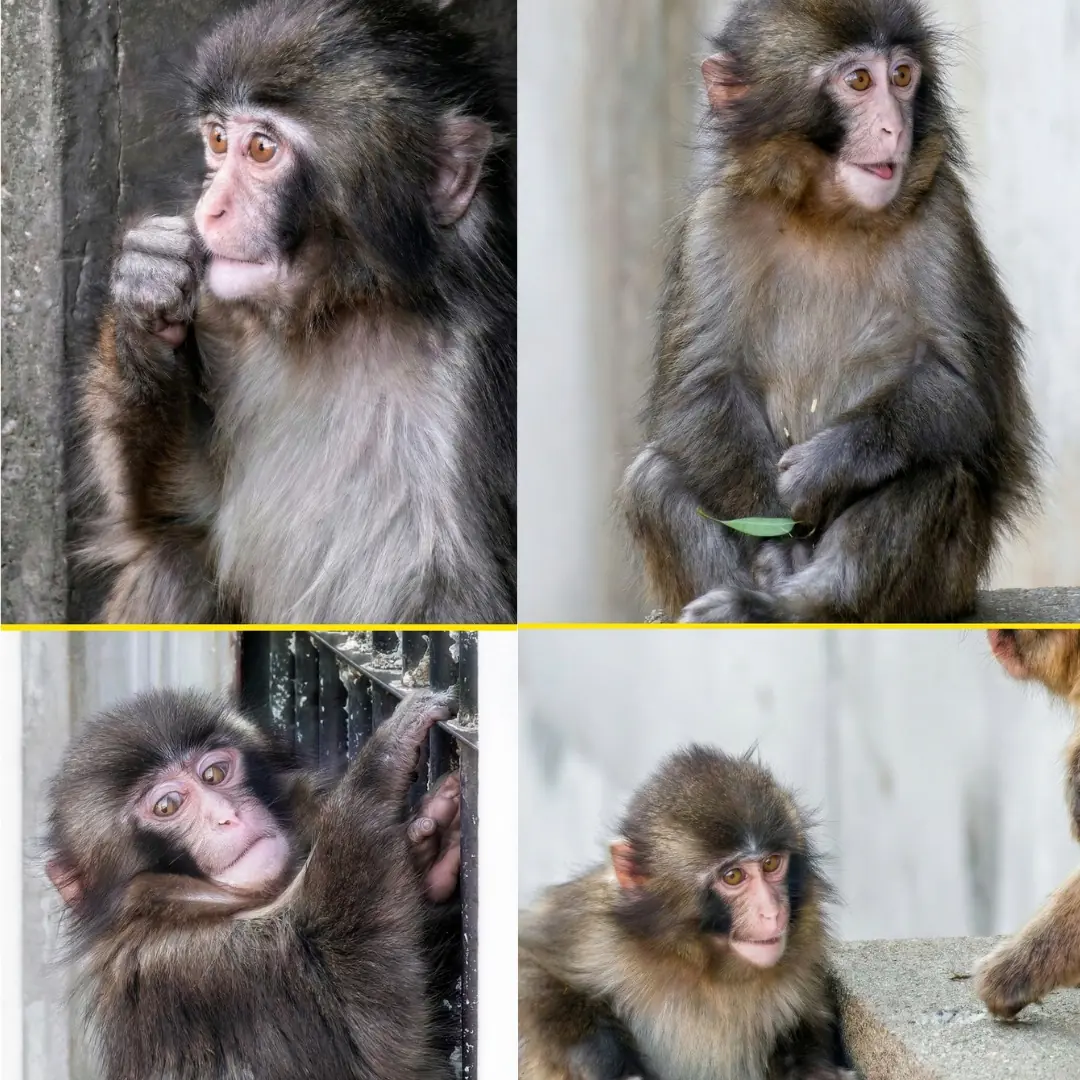
Little Punchy’s Transformation: From Hiding in Fear to Exploring with Confidence
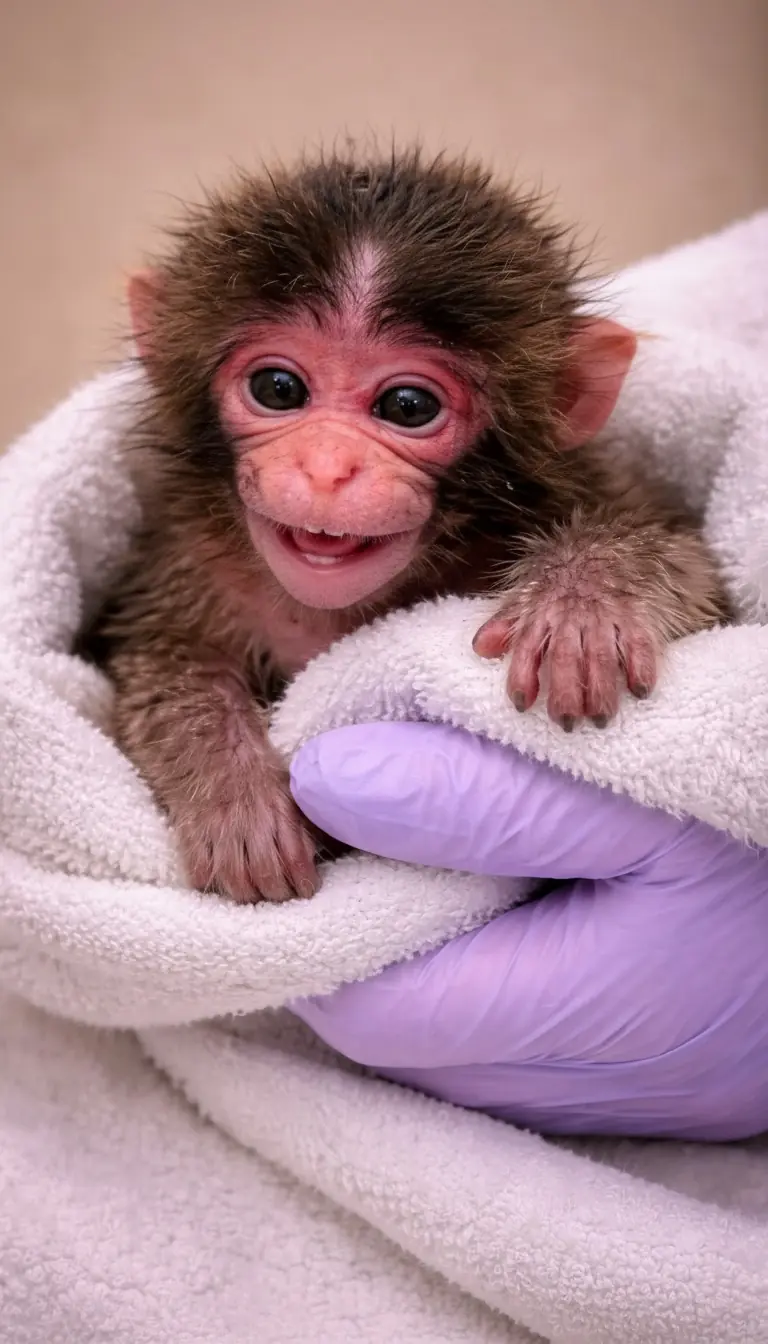
Punch – The Baby Monkey Who Found Comfort in a Toy
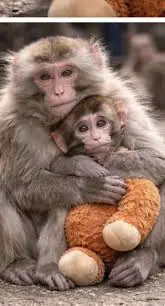
What Do You Really See When You Look Into Punchy’s Eyes?

A Monkey, a Toy, and a Question About Emotion: What Is Punchy Really Feeling?
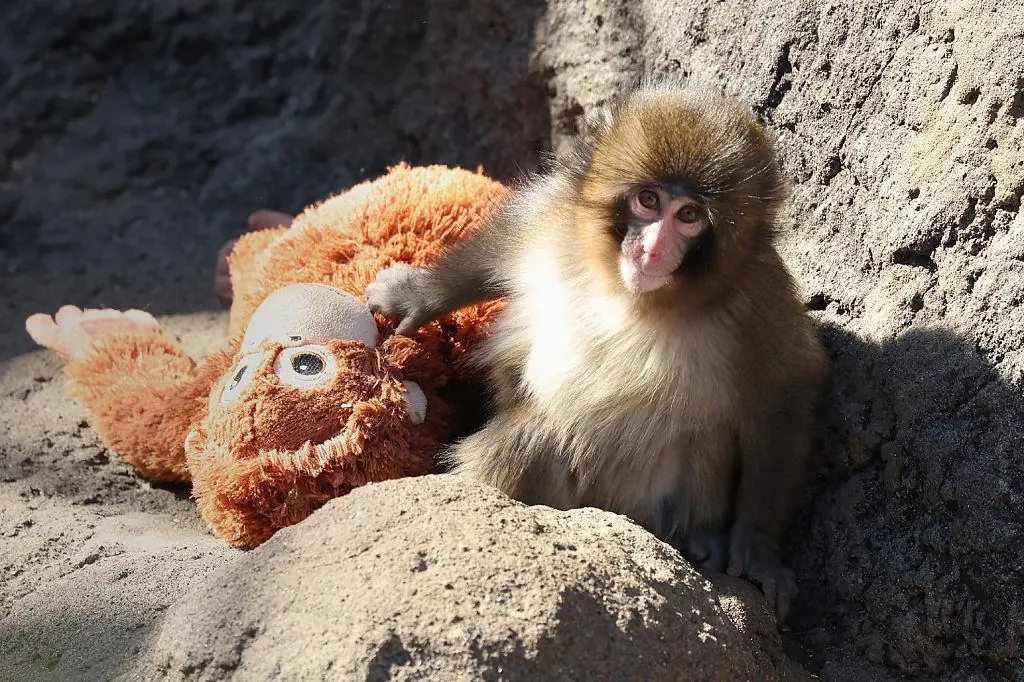
The Lonely Monkey Who Treated a Toy Like Family—Punch’s Emotional Story
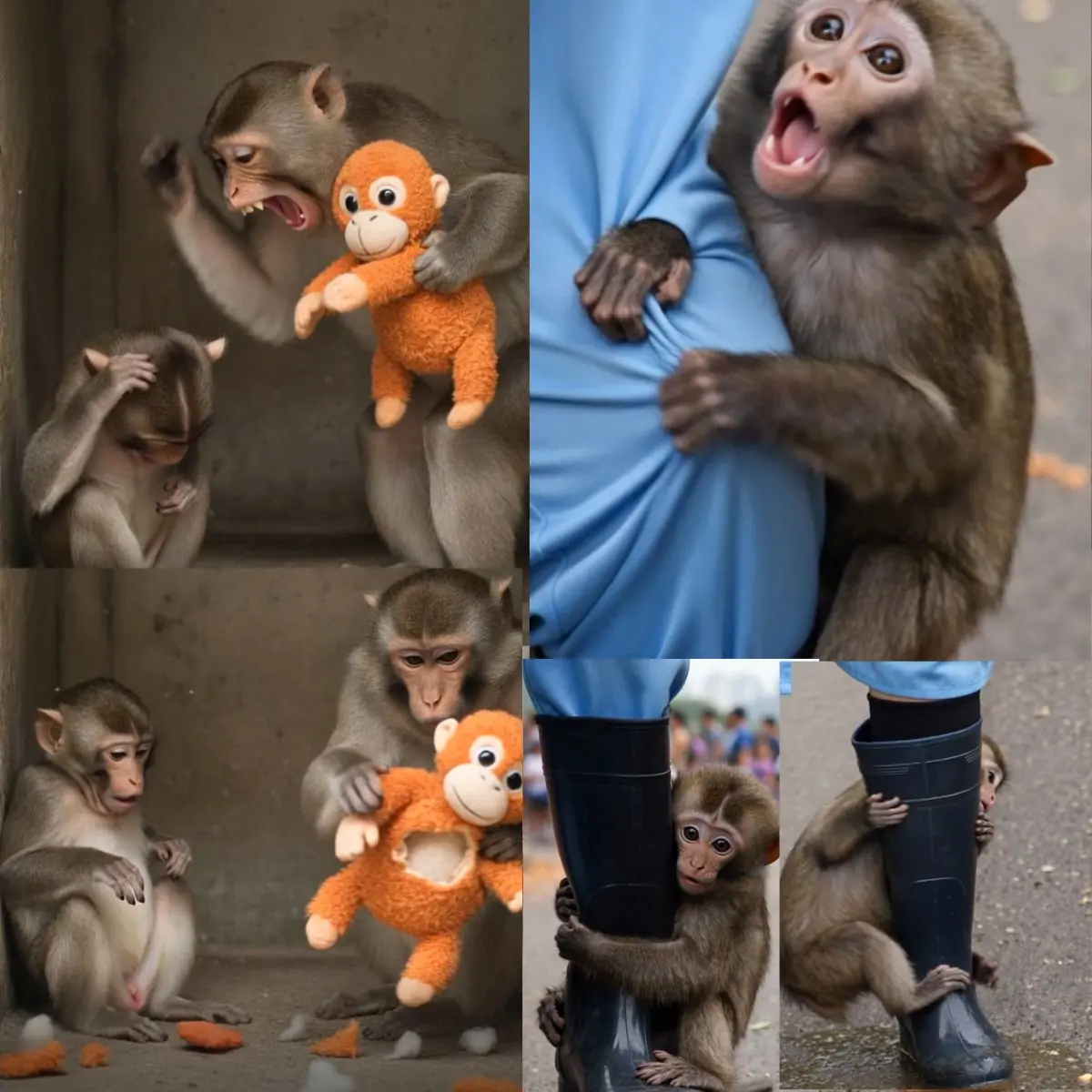
The Untold Truth: How Bullying Affects a Monkey
You Eat Onions Every Day—But Do You Know What They Do?

When Chaos Becomes Connection: Punchy’s Story
When a Monkey Gets Sick: Signs to Watch and How Experts Care for a Macaque Like Punch
Authenticity Isn’t Consistency—It’s Being Real

He’s more than just adorable… he’s slowly learning what safety feels like

Why eating raw cabbage may not always be a good idea
A stroke may not happen suddenly: 10 warning signs your body gives you

Got a sebaceous cyst? Here’s what might be causing it—and what helps

Is ginger as harmless as people think? Doctors weigh in
The drink that could quietly affect your bone health over time—here’s what you should know

Doctors explain what happens when you eat cucumber in salads—here’s what you should know

Seeing white bumps on your lips or intimate area? Here’s what might be behind

15 reasons avocados deserve a place in your daily diet

5 early signs that could mean you are developing kidney stones

Why do you keep waking up at 3 or 4 a.m.? It might be more about your stress levels and sleep patterns than you think—here’s what’s really going on.

Can Chayote Really Improve Your Health? A Scientific Perspective

A healthy diet can backfire if balance and knowledge are ignored.




Subtle body changes may be early signs you shouldn’t ignore.