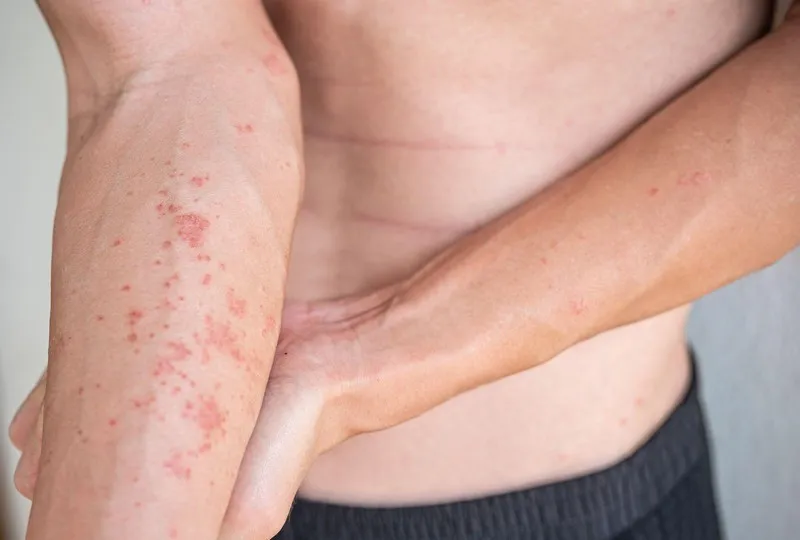
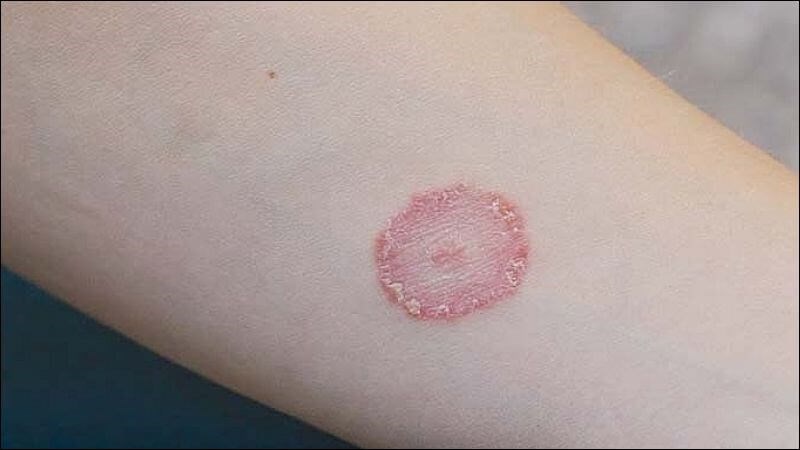
Skin is the body’s largest organ, and often, it speaks before anything else does. The images above show red, irritated skin and circular, ring-like patches - conditions that many people experience at some point but often ignore.
At first glance, these skin changes may seem minor. However, they can be early signs of underlying issues that deserve attention. Understanding what these symptoms might indicate can help you respond appropriately and protect your health.
🔍 Recognizing the Signs
The first image shows:
- Redness and irritation across the skin
- Small raised bumps or inflamed areas
- Possible itching or discomfort
The second image highlights:
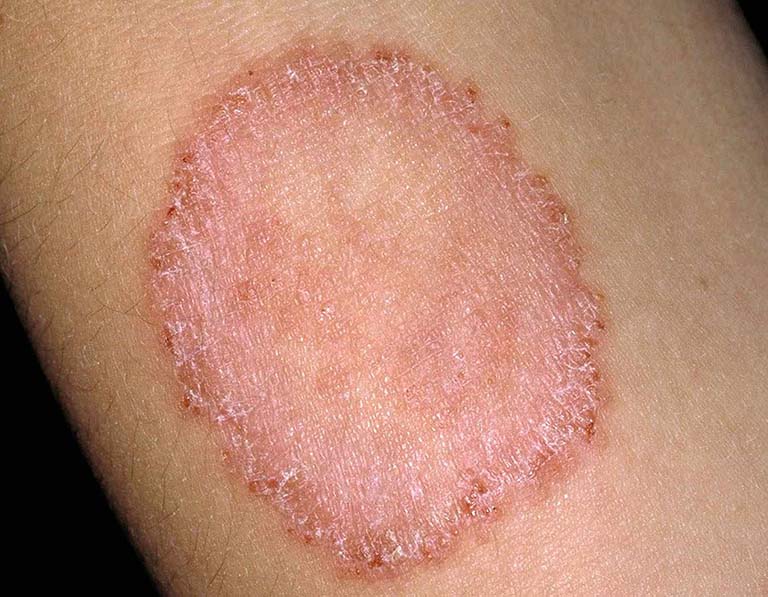
- Distinct circular or ring-shaped patches
- Red, slightly raised borders
- Clearer skin in the center
These patterns are not random—they often follow recognizable dermatological conditions.
🌿 What Could These Skin Changes Indicate?
While only a medical professional can provide a diagnosis, these types of symptoms are commonly associated with:
1. Fungal Infections (Such as Ringworm)
Ring-shaped patches with defined edges are often linked to fungal infections.
Typical characteristics:
- Circular appearance
- Itchy or scaly texture
- Gradual spreading over time
Despite the name “ringworm,” this condition is not caused by worms but by fungi.
2. Contact Dermatitis
The redness and irritation seen in the first image may result from skin reacting to an irritant or allergen.
Possible triggers include:
- Chemicals (soaps, detergents, perfumes)
- Metals (like watch straps or jewelry)
- Environmental exposure
3. Eczema (Atopic Dermatitis)
Eczema can cause:
- Dry, inflamed skin
- Itching
- Red patches that may become rough or cracked
It often appears on hands, arms, or behind joints.
4. Psoriasis
In some cases, thick, scaly patches may be related to psoriasis, a chronic skin condition.
Signs include:
- Red plaques with silvery scales
- Dry or cracked skin
- Persistent recurrence
⚠️ Why You Shouldn’t Ignore These Symptoms
Many people delay taking action because the symptoms seem manageable. However:
- Some conditions can spread or worsen over time
- Scratching can lead to secondary infections
- Early treatment is often simpler and more effective
👉 What looks minor today could become more uncomfortable if left untreated.
🧼 Simple Steps You Can Take
While waiting for proper evaluation or for mild cases, you can:
- Keep the affected area clean and dry
- Avoid scratching or irritating the skin
- Use gentle, fragrance-free skincare products
- Avoid sharing personal items (like towels)
If symptoms persist or worsen, seeking professional advice is important.
🧠 When to Seek Medical Advice
Consider consulting a healthcare professional if:
- The rash spreads quickly
- It becomes painful or severely itchy
- There is no improvement after several days
- The condition keeps coming back
🧠 Final Thoughts
Your skin often reflects what’s happening inside your body - or how it reacts to the environment around you. Redness, irritation, or unusual patterns like ring-shaped patches are not just cosmetic concerns they are signals.
👉 Listening to your skin early can help prevent bigger problems later.
Rather than ignoring these signs, take them as a reminder to pay closer attention to your body. Because sometimes, the smallest changes carry the most important messages. ✨