A stroke can happen without warning, turning an ordinary day into a life-threatening emergency within minutes. Someone may be having breakfast, talking with a loved one, walking through a store, or relaxing at home when something suddenly feels wrong. Their speech may become unclear, one side of their face may droop, or an arm may suddenly feel too weak to lift.
In other cases, the warning signs may be less obvious. A person might experience sudden dizziness, lose their balance, have difficulty seeing clearly, or struggle to understand a simple conversation. Because these symptoms can sometimes resemble less serious conditions, people may dismiss them as fatigue, dehydration, stress, or a temporary problem.
That delay can be dangerous.
A stroke occurs when blood flow to part of the brain is interrupted or when a blood vessel in the brain ruptures. Without an adequate supply of oxygen and nutrients, brain cells can become damaged rapidly. The sooner a stroke is recognized and appropriate treatment begins, the greater the opportunity to limit damage and improve recovery.
Although strokes are more common among older adults, they can affect people of different ages. High blood pressure, diabetes, smoking, certain heart conditions, and other risk factors can increase the likelihood of a stroke, but even someone who appears healthy may experience one.
Recognizing the warning signs is therefore important for everyone.
This guide explains the symptoms that should never be ignored, how to distinguish a possible stroke from less urgent problems, what to do if symptoms appear, and which everyday habits can help reduce the risk.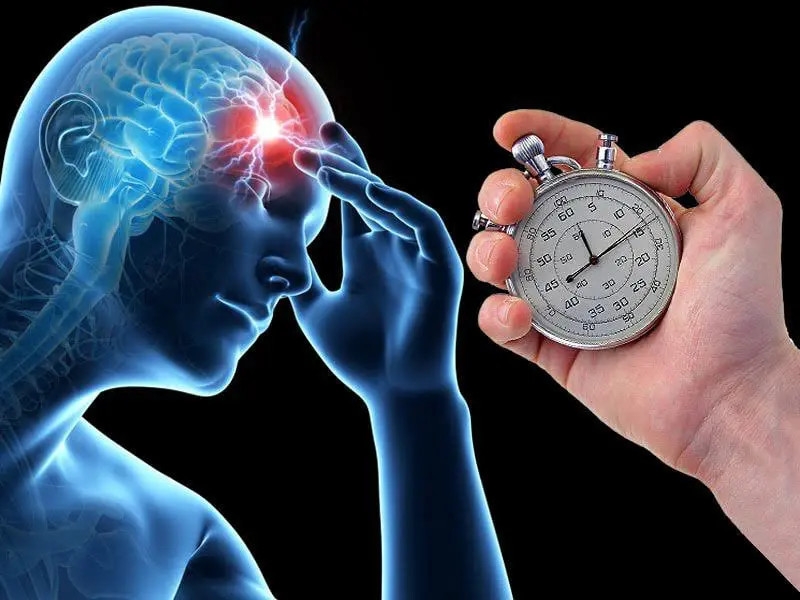
1. Understanding What Happens During a Stroke
The brain controls movement, speech, memory, vision, balance, sensation, and many other essential functions. To perform these tasks, brain cells require a constant supply of oxygen-rich blood.
When that blood supply is interrupted, the affected brain tissue may begin to malfunction.
There are two major types of stroke.
Ischemic stroke
An ischemic stroke occurs when a blood vessel supplying the brain becomes blocked, usually by a blood clot. This is the most common type of stroke.
The blockage may develop when a clot forms in a blood vessel supplying the brain. In other cases, a clot forms elsewhere, such as in the heart, and travels through the bloodstream until it blocks a vessel in the brain.
Certain medical conditions can increase the risk of these blockages. These include atherosclerosis, in which fatty deposits accumulate inside arteries, and atrial fibrillation, an irregular heart rhythm that can allow blood clots to form.
When a blockage prevents blood from reaching brain tissue, the affected area may stop functioning normally. Depending on its location, a person may experience weakness, speech difficulties, vision changes, or problems with coordination.
Hemorrhagic stroke
A hemorrhagic stroke occurs when a blood vessel in the brain ruptures, allowing blood to leak into or around brain tissue.
The bleeding can directly damage nearby cells and increase pressure within the skull. High blood pressure is an important risk factor, while certain aneurysms, blood vessel abnormalities, and medications that affect blood clotting may also contribute.
A hemorrhagic stroke can cause a sudden, severe headache, vomiting, confusion, weakness, seizures, or loss of consciousness. However, symptoms vary, and a person does not need to experience every warning sign.
These two types of stroke require different treatments. Medical professionals must determine what is happening before choosing the appropriate intervention.
That is why suspected stroke symptoms should never be treated at home based on guesswork. Emergency assessment and brain imaging may be needed to identify the cause and determine which treatments are safe.
2. Sudden Weakness or Numbness on One Side of the Body
One of the most recognizable warning signs of a stroke is sudden weakness or numbness affecting one side of the body.
A person may notice that one arm feels unusually heavy, one leg becomes difficult to move, or one hand can no longer hold an object securely. They may struggle to raise both arms evenly or find that one side of their body does not respond normally.
Sometimes the change is subtle. The person may still be able to move their arm but have difficulty lifting it, keeping it raised, or coordinating their fingers.
Numbness can also occur. Someone may describe an unusual sensation in one hand, one leg, or one side of the face. They may initially assume that they slept in an awkward position or compressed a nerve.
The important distinction is the sudden onset of an unexplained change.
The brain contains networks that control movement and sensation. When a stroke affects these pathways, the body may lose some of its normal strength or coordination. Because many movement pathways cross between the brain and the body, a stroke in one side of the brain can cause weakness on the opposite side of the body.
However, stroke symptoms do not always follow a perfectly predictable pattern.
If someone suddenly develops weakness or numbness, particularly on one side, call emergency services immediately. Do not wait to see whether the sensation disappears.
3. Facial Drooping or an Uneven Smile
A sudden change in facial movement is another important warning sign.
When asked to smile, a person experiencing a stroke may have one side of the mouth that does not lift normally. Their smile may appear uneven, or one side of the face may seem to droop.
Sometimes a family member notices the change before the affected person realizes anything is wrong.
The person may continue talking, eating, or performing ordinary activities without recognizing that their facial movements have changed. In other situations, the facial weakness is obvious and appears alongside weakness in an arm or leg.
Facial drooping can occur when a stroke affects the brain pathways responsible for controlling facial muscles.
However, not every episode of facial weakness is caused by a stroke. Conditions such as Bell’s palsy can also produce facial drooping. The two conditions may require different treatments, and it is not always possible to distinguish them safely without medical assessment.
A new, sudden facial droop should therefore be treated as a possible emergency, particularly if it occurs with speech difficulties, numbness, weakness, confusion, or vision changes.