Family members sometimes notice that the person's behavior changes abruptly, even if the physical symptoms are not immediately obvious.
Confusion alone does not establish that a stroke is occurring. Low blood sugar, infections, medication effects, seizures, and other medical conditions can also affect awareness.
However, sudden confusion accompanied by speech difficulties, facial drooping, weakness, vision changes, or problems with balance should raise immediate concern.
It is especially important not to dismiss a sudden change in mental function as normal aging.
Gradual changes in memory can occur for many reasons, but an abrupt change in awareness or behavior requires a different response.
If someone suddenly becomes confused without a clear explanation, call emergency services, particularly if any other neurological symptoms are present.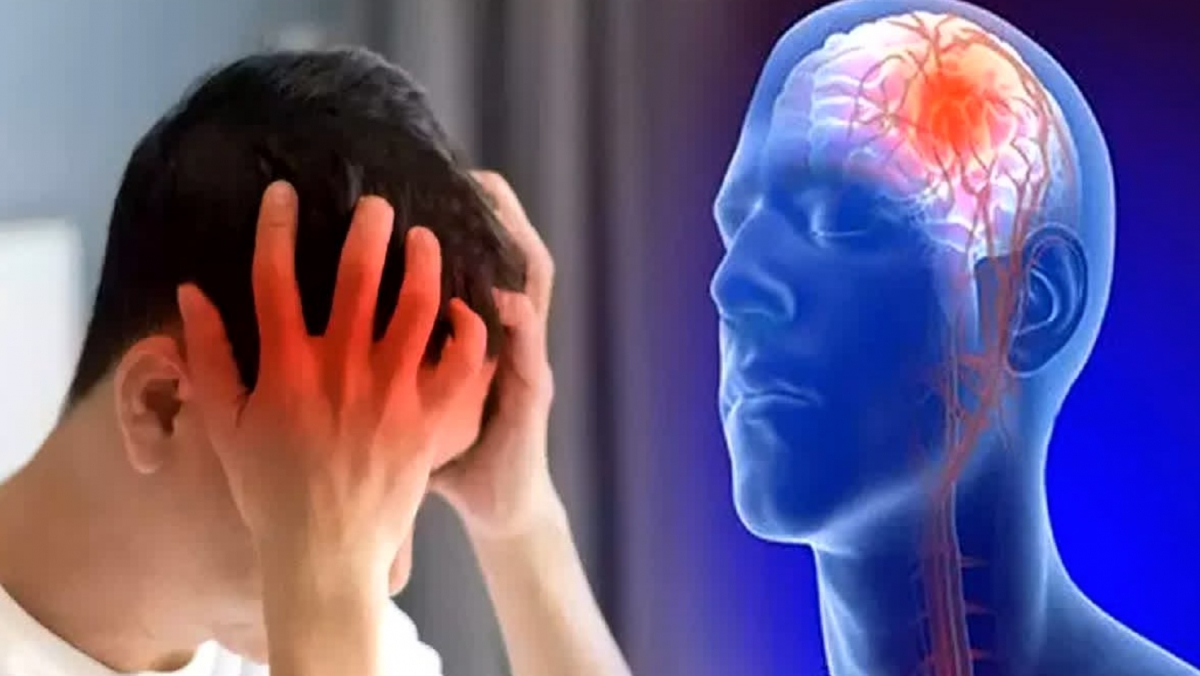
9. Difficulty Swallowing or Coordinating Movements
Some strokes affect the nerves and brain regions responsible for swallowing and coordinating movements of the mouth and throat.
A person may suddenly struggle to swallow water, food, or saliva. Their voice may sound different, or they may cough or choke when attempting to drink.
Swallowing difficulties can be dangerous because food or liquid may enter the airway instead of passing safely into the esophagus. This is called aspiration and can cause serious complications.
Stroke can also affect coordination in ways that are less obvious.
A person might suddenly struggle to pick up an object, use a familiar utensil, button a shirt, or perform a task that normally requires little effort. Their movements may become clumsy or poorly controlled.
These changes can occur even when the person retains much of their strength.
If a stroke is suspected, do not give the person food, water, or oral medication. They may not be able to swallow safely. Wait for medical professionals to assess them.
Sudden swallowing difficulty, particularly when combined with slurred speech, dizziness, weakness, or facial changes, requires urgent medical evaluation.
10. Symptoms That Disappear Should Never Be Ignored
One of the most dangerous mistakes people make is assuming that symptoms are harmless once they disappear.
A person may suddenly experience weakness, numbness, speech difficulties, or vision problems that improve within minutes. Feeling normal again may lead them to believe that the episode has passed without consequences.
In some cases, these symptoms may indicate a transient ischemic attack, commonly called a TIA or a “mini-stroke.”
A TIA occurs when blood flow to part of the brain is temporarily disrupted, causing neurological symptoms that resolve. Although the symptoms may disappear, the event can be a warning of an increased risk of a future stroke.
It is not possible to reliably distinguish a TIA from a stroke at home based on how long the symptoms last. Symptoms that improve may still require urgent evaluation, and some strokes produce symptoms that fluctuate.
A medical team may recommend brain imaging, blood-vessel studies, heart rhythm assessment, and blood tests to investigate the cause.
Depending on the findings, treatment may involve managing blood pressure, treating an abnormal heart rhythm, using appropriate antiplatelet or anticoagulant medication, or addressing other risk factors.
The purpose is not simply to explain what happened. It is also to reduce the risk of another, potentially more damaging event.
Never ignore stroke-like symptoms just because they disappear. Seek emergency medical evaluation even if the person feels completely normal again.
11. Remember FAST: A Simple Way to Recognize Stroke
When someone may be experiencing a stroke, a simple recognition tool can help people respond quickly.
FAST stands for Face, Arms, Speech, and Time.
F — Face: Ask the person to smile. Does one side of the face droop, or does the smile appear uneven?
A — Arms: Ask the person to raise both arms. Does one arm drift downward, or can they not raise one arm normally?
S — Speech: Ask the person to repeat a simple sentence. Is their speech slurred, unusual, or difficult to understand? Are they struggling to find words?
T — Time: If any of these signs appear suddenly, call emergency services immediately. Record the time symptoms began or the last time the person was known to be well.
FAST is useful because it focuses on common, recognizable stroke symptoms. However, it does not cover every possible presentation.
Some strokes, particularly those affecting balance and coordination, may cause sudden vision changes, severe dizziness, or difficulty walking without producing all the classic FAST signs.
For this reason, sudden unexplained neurological changes should be taken seriously even when a person passes the simple face, arm, and speech checks.
The goal is not to diagnose a stroke at home. The goal is to recognize a possible emergency and get professional help without delay.
12. What Should You Do If You Suspect a Stroke?
Knowing the warning signs is only part of stroke preparedness. Knowing how to respond can also make a difference.
Call emergency services immediately
If someone develops sudden symptoms that may indicate a stroke, contact emergency medical services. In Vietnam, the ambulance emergency number is 115.
Describe the symptoms, explain when they began or when the person was last known to be well, and follow the dispatcher's instructions.
Do not wait for every symptom to appear. A person does not need to have facial drooping, arm weakness, and speech difficulty simultaneously for a stroke to be possible.
Record the time symptoms started
Treatment decisions often depend on when symptoms began.
If you witnessed the onset, note the time. If the person woke up with symptoms, record when they were last known to be well before going to sleep, as well as when the symptoms were discovered.
Do not delay calling for help while trying to establish the exact time.
Do not drive if emergency transport is available
Emergency medical teams can assess the person, provide initial care, and communicate with the receiving hospital. Calling an ambulance can help avoid delays and ensure that the person is transported appropriately.
If symptoms occur while you are alone, do not attempt to drive yourself.
Do not give food, drink, or medication
A person experiencing a stroke may have difficulty swallowing safely. Food, water, and oral medication can create a choking or aspiration risk.