Black beans are an excellent plant-based source of protein and other important nutrients. They are cost-effective and versatile, but they can cause digestive problems like bloating and gas.
1. Provides Plant-Based Protein
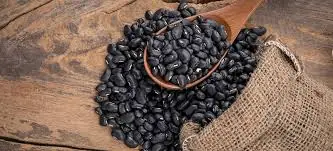
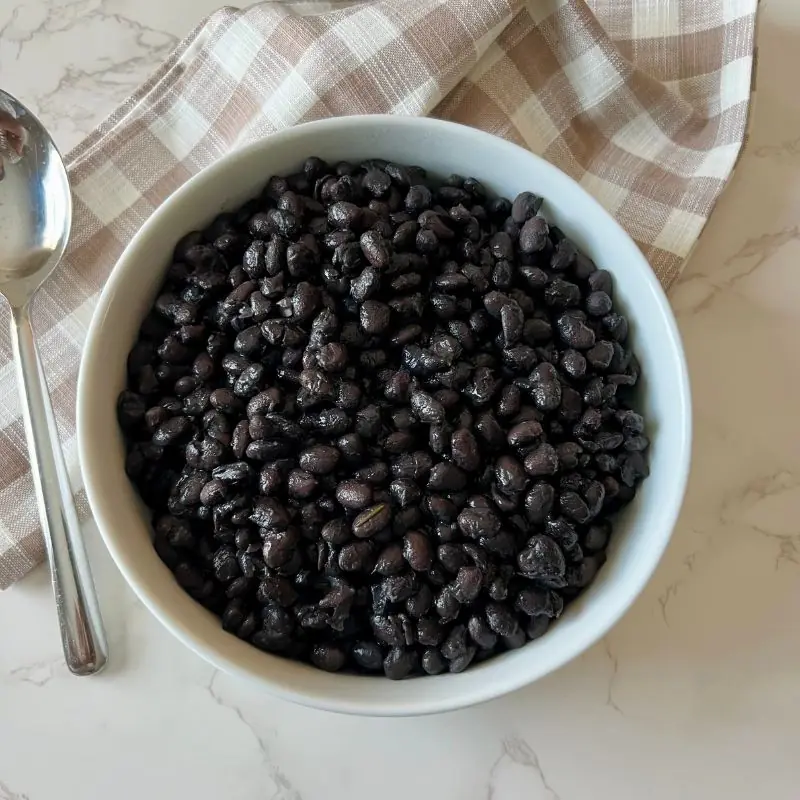
Protein is an essential nutrient for structure and function in the human body. A half cup of cooked, canned black beans has about 7 grams (g) of protein. A person weighing 140 pounds needs at least 51 grams of protein per day.
Although the protein in beans is "incomplete," which means it's low in some key amino acids, you can obtain those by eating a variety of protein foods. Black beans also don't have as much fat as many animal proteins.
2. Fiber Promotes Gut Health
Fiber contributes to good digestion by promoting the growth of beneficial gut bacteria and providing bulk to help eliminate waste. It can also help regulate blood sugar, blood pressure, and cholesterol.
A half cup of cooked black beans contains about 8 g of fiber. You can calculate your recommended fiber intake by estimating 14 g for every 1,000 calories you eat, or 28 g for a 2,000-calorie diet.
3. Could Lower Inflammation
Harmful inflammation can contribute to arthritis, heart disease, and diabetes, among many other diseases. Black beans are rich in phytonutrients, including antioxidants, that can reduce inflammation. One, quercetin, may be particularly effective against inflammation.
Quercetin can fight inflammation-causing proteins such as cytokines and enzymes that activate the immune system. It also blocks histamine, which is a component of allergic responses. One study found that eating 1 cup of black beans daily reduced the level of a specific cytokine by about 25% over 12 weeks.
4. May Help Lower Cholesterol
The fiber in black beans can help lower cholesterol by trapping it during digestion, so it's eliminated rather than absorbed. Beans are also rich in polyphenols, antioxidants that may lower low-density lipoprotein (LDL) cholesterol levels, the type that increases the risk of heart attacks and strokes.
Some animal studies have shown that black beans may lower total cholesterol.
5. Supports Healthy Blood Pressure Levels
Black beans are a good source of powerful antioxidants, such as saponins, as well as minerals like potassium, folate, and magnesium, which can help regulate blood pressure. These nutrients relax blood vessels, allowing blood to flow more easily.
One study found that blood pressure in animals that ate black beans regularly dropped, but returned to normal when they stopped eating them.
6. Can Help Regulate Blood Sugar
Black beans have several mechanisms that help regulate blood sugar levels. They have a low glycemic index, which estimates how much and how fast a food raises blood sugar levels. The saponins in them can help the body respond to glucose in a beneficial way, which could also prevent blood sugar spikes.
The antioxidant anthocyanin found in black beans helps regulate blood sugar levels. Research shows that anthocyanins could help prevent type 2 diabetes, make diabetes treatments more effective, and improve the outlook for people with diabetes or those at risk for it.
7. Could Lower Risk of Cancer
Preliminary research suggests that glucan, a complex carbohydrate found in black beans, may inhibit the growth of certain cancer cells and could be useful as an adjunct cancer treatment. However, further research is needed.
The fiber in beans may help protect against colorectal cancer, and some of the many phytonutrients they contain, such as saponins, have potential anticancer effects.
8. Supplies Important Vitamins and Minerals
Eating black beans regularly can go a long way toward meeting the need for some key vitamins and minerals. These include magnesium, iron, manganese, and folate. They also supply zinc, potassium, calcium, and phosphorus.
9. Can Help Manage Body Weight
Black beans can aid in weight management. One small study found that people who ate a bean-based diet reduced their body fat, including abdominal fat.
10. Can Lead to Gas and Bloating

Beans contain prebiotics (plant fibers that nourish healthy gut bacteria), but they can cause gas and intestinal discomfort. This is due to oligosaccharides, a sugar in fiber that the body doesn't digest.
You may reduce these effects by changing the water a few times when soaking dried beans, eating more slowly, and drinking more water. You can also try taking enzyme tablets containing alpha-galactosidase, which can break down the sugars that lead to gas.
11. Could Increase Sodium Intake
Black beans contain very little salt naturally, but sodium can be added during processing and canning. Rinse canned black beans to remove excess salt. Watch how much salt and salty foods you add to black bean recipes, so you get the benefits of this healthy food without the drawbacks of excess sodium.