Rice is one of the most widely consumed staple foods in the world. From Asia to Africa, Europe to the Americas, it appears in countless dishes and cultural traditions. Despite its simplicity, cooking rice properly while ensuring it remains fresh and safe to eat requires a bit of attention.
Many people focus only on taste and texture when preparing rice, but proper cooking, storage, and handling are equally important. Rice that is cooked incorrectly or stored improperly can spoil quickly and may even pose food safety concerns.
Fortunately, with a few simple techniques, it is possible to cook rice that is fluffy, flavorful, and safe to enjoy.
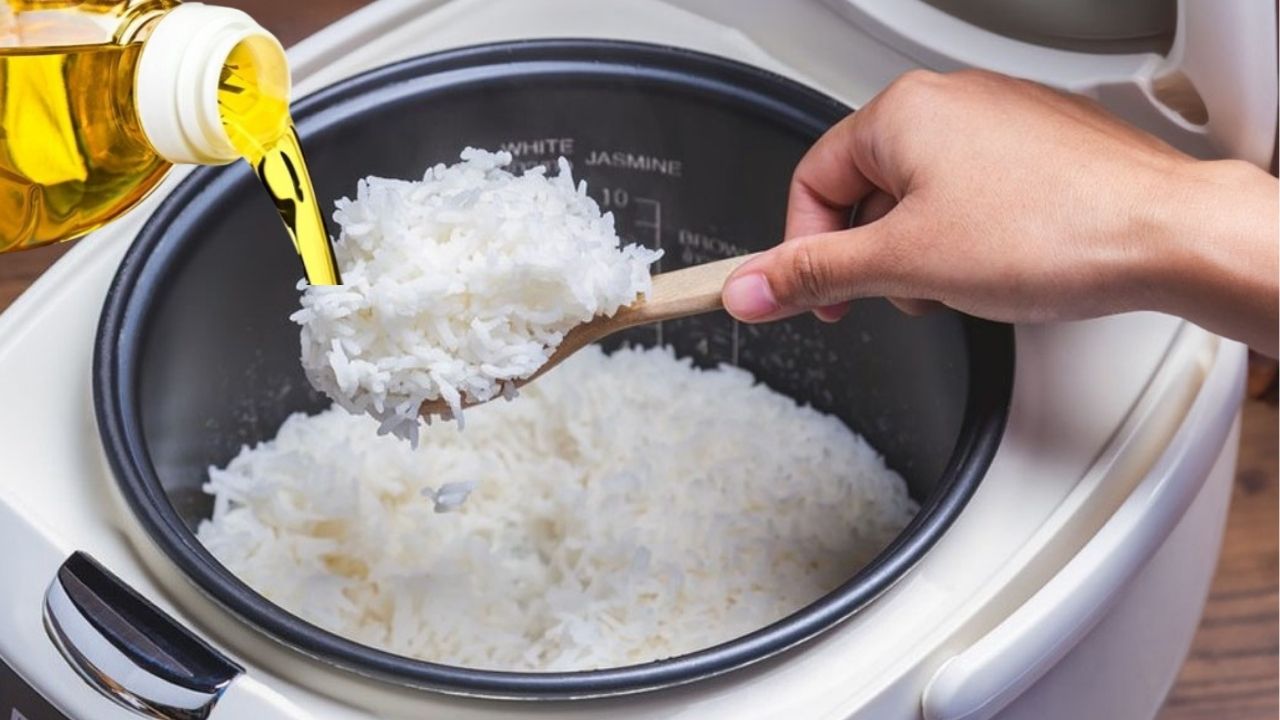
Choose Good Quality Rice
The first step to cooking delicious rice begins with choosing the right product. High-quality rice grains tend to cook more evenly and produce a better texture.
When selecting rice, look for:
-
Clean, intact grains
-
Minimal broken pieces
-
Proper packaging with no moisture damage
Different types of rice also produce different textures and flavors. For example:
-
Jasmine rice has a soft, fragrant aroma
-
Basmati rice is long-grained and fluffy
-
Short-grain rice is softer and slightly sticky
Choosing the right variety for the dish you are preparing makes a noticeable difference in the final result.
Rinse the Rice Before Cooking
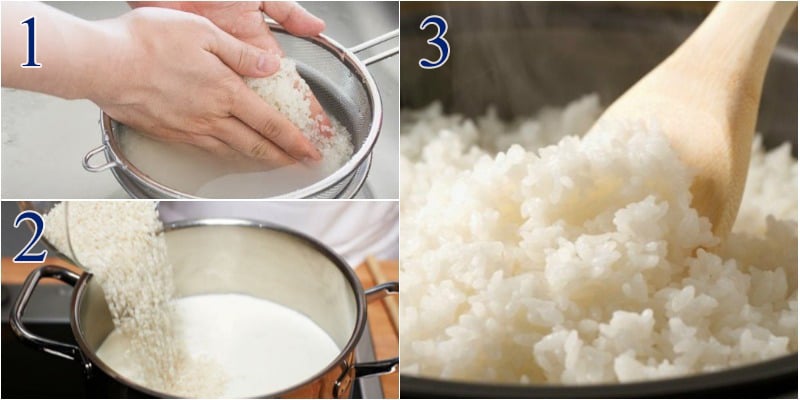
One of the most important steps in cooking rice is rinsing it thoroughly.
Raw rice often contains excess starch on the surface of the grains. If this starch is not removed, the rice may become overly sticky during cooking.
To rinse rice properly:
-
Place the rice in a bowl.
-
Add clean water and gently swirl the grains.
-
Drain the cloudy water.
-
Repeat the process two or three times until the water becomes clearer.
This step helps produce rice that is light, fluffy, and evenly cooked.
Use the Correct Water Ratio
Using the right amount of water is essential for properly cooked rice.
Too much water can make rice mushy, while too little water can leave the grains undercooked or hard.
Although the exact ratio may vary depending on the type of rice, a general guideline is:
-
1 cup of rice to about 1.5–2 cups of water
Some rice varieties require slightly different proportions, so checking the cooking instructions for the specific rice type can help achieve the best results.
Cook Rice at the Right Temperature
Proper heat control is another key factor.
Rice is typically cooked by bringing water to a boil and then reducing the heat to a gentle simmer. Once the pot is covered with a lid, the rice should cook slowly as it absorbs the water.
Opening the lid too often during cooking can release steam and disrupt the process.
Allow the rice to cook undisturbed until the water is fully absorbed.
Let the Rice Rest After Cooking
After the rice has finished cooking, it is helpful to let it rest for a few minutes before serving.
Turn off the heat and allow the pot to remain covered for about 5–10 minutes. This resting period allows the remaining steam to redistribute moisture evenly through the rice.
Afterward, gently fluff the rice with a fork or rice paddle to separate the grains.
This simple step often makes a big difference in texture.
Avoid Leaving Cooked Rice at Room Temperature
One of the most important safety considerations with rice involves proper storage after cooking.
Cooked rice can spoil quickly if left at room temperature for extended periods. Certain bacteria can grow in rice if it is not cooled and stored properly.
To reduce this risk:
-
Do not leave cooked rice at room temperature for more than about two hours.
-
Transfer leftover rice to a container and refrigerate it as soon as possible.
Proper storage helps maintain both freshness and food safety.
Store Rice Properly in the Refrigerator
When stored in an airtight container in the refrigerator, cooked rice can typically remain safe to eat for several days.
To preserve quality:
-
Use clean containers with tight lids
-
Refrigerate rice promptly after it cools
-
Keep the refrigerator temperature properly regulated
Storing rice correctly prevents it from drying out and helps reduce bacterial growth.
Reheat Rice Carefully
When reheating leftover rice, it should be heated thoroughly.
You can reheat rice using:
-
A microwave with a small amount of water
-
A stovetop pan with gentle heat
-
A steamer
Adding a small amount of moisture during reheating helps restore the rice’s soft texture.
Ensure the rice becomes hot all the way through before serving.
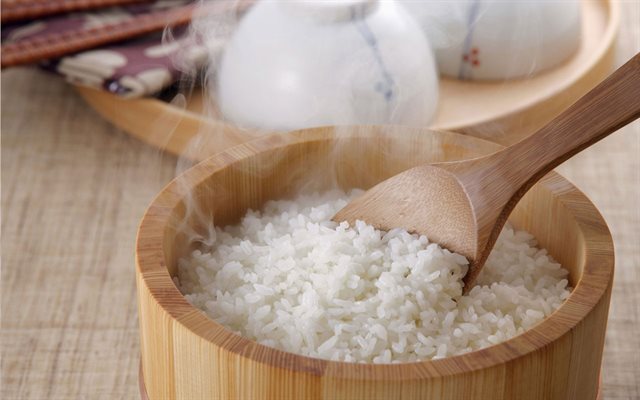
Add Flavor Without Complicating the Process
Rice can be delicious even with very simple ingredients.
Small additions can enhance flavor without making preparation complicated. For example:
-
A pinch of salt during cooking
-
A few drops of cooking oil or butter
-
Cooking rice with broth instead of plain water
-
Adding herbs or spices
These small touches can turn a basic pot of rice into a more flavorful dish.
Keep Cooking Utensils Clean
Kitchen hygiene also plays an important role in keeping rice safe to eat.
Using clean utensils, cutting boards, and containers helps prevent contamination.
Avoid mixing freshly cooked rice with older leftovers, as this can reduce freshness and safety.
Why Proper Rice Handling Matters
Rice may seem like a simple food, but proper preparation and storage are important for maintaining both quality and safety.
Many food safety experts emphasize the importance of:
-
Correct cooking temperatures
-
Prompt refrigeration
-
Clean food handling practices
These habits help prevent spoilage and ensure that rice remains enjoyable to eat.
Final Thoughts
Cooking delicious rice does not require complicated techniques. By choosing good-quality rice, rinsing it properly, using the correct water ratio, and cooking it carefully, anyone can prepare rice that is flavorful and perfectly textured.
Equally important is storing and reheating rice safely to maintain freshness and prevent spoilage.
With just a few simple habits, rice can remain a reliable, tasty, and safe staple in everyday meals.