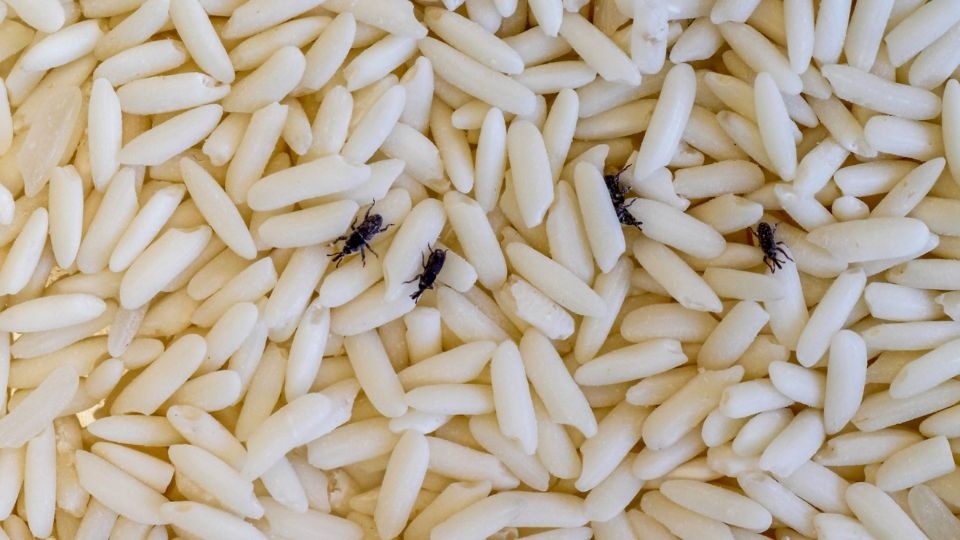
Rice is a staple food in many households, especially across Asia. It’s affordable, versatile, and has a long shelf life—but only if stored properly. Without the right conditions, rice can become a target for weevils (small insects), moisture buildup, and mold, which can ruin both its quality and safety.
The good news is that with a few simple habits, you can keep your rice fresh, clean, and pest-free for months.
🧠 Why Rice Needs Proper Storage
Rice may look dry and stable, but it can still be affected by:
- Humidity
- Temperature changes
- Air exposure
- Contamination from insects
👉 Improper storage creates the perfect environment for pests and mold to develop.
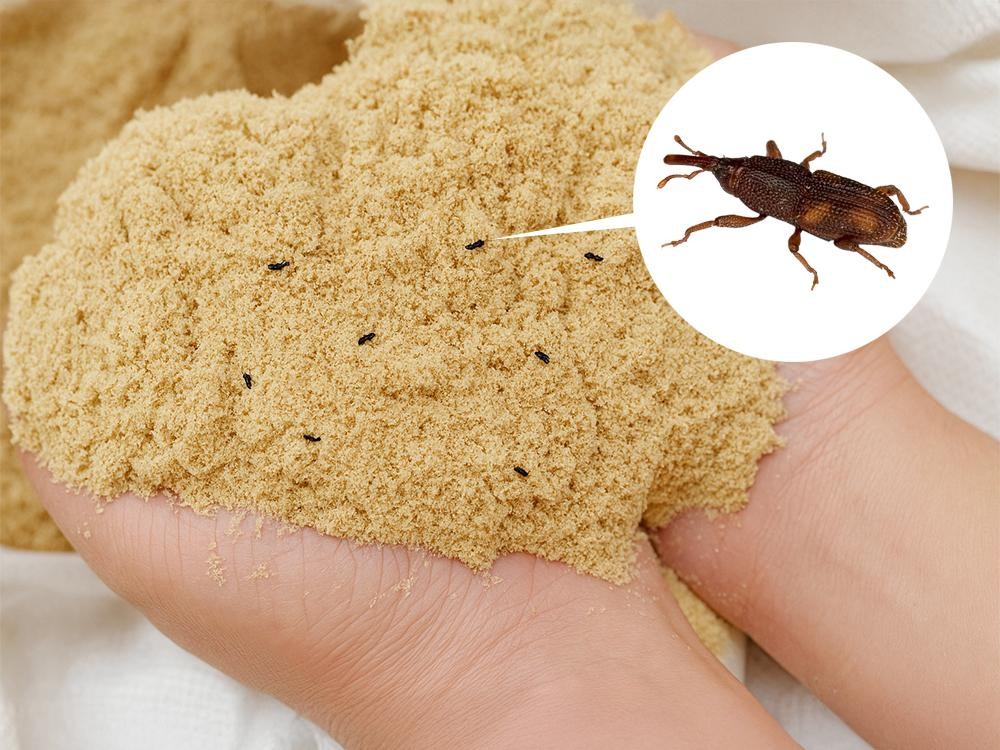
🐛 What Are Rice Weevils?
Rice weevils are tiny insects that can appear inside stored grains.
How they get there:
- Eggs may already be present in raw rice
- They hatch under warm and humid conditions
👉 This is more common than many people think—and not necessarily a sign of poor hygiene.
🌬️ 1. Store Rice in Airtight Containers
One of the most effective methods is using sealed containers.
Best options:
- Plastic or glass containers with tight lids
- Food-grade storage bins
👉 This prevents:
- Air exposure
- Moisture entry
- Insect contamination
❄️ 2. Freeze Rice Before Long-Term Storage
A simple trick many people overlook:
👉 Place rice in the freezer for 24–48 hours before storing.
Why it works:
- Kills any hidden eggs or larvae
- Reduces the chance of weevil infestation
🌡️ 3. Keep Rice in a Cool, Dry Place
Temperature and humidity matter a lot.
Avoid:
- Storing rice near stoves or heat sources
- Damp or humid areas
👉 Ideal storage = cool, dry, and well-ventilated
🧄 4. Use Natural Repellents
Some natural ingredients can help deter insects.
Common options:
- Garlic cloves
- Bay leaves
- Dried chili
👉 Place them inside the container (without direct contact if possible).
🧼 5. Keep Storage Areas Clean
Cleanliness reduces the chance of contamination.
Tips:
- Wipe containers before refilling
- Avoid mixing old and new rice
- Clean shelves regularly
📦 6. Avoid Buying Too Much at Once
Buying in bulk can be convenient—but risky if not stored properly.
👉 Only store what you can use within a reasonable time.
🔍 7. Check Rice Regularly
Even with good storage, it’s helpful to:
- Inspect rice occasionally
- Look for movement, odor, or clumping
👉 Early detection helps prevent bigger problems.
⚠️ What About Mold?
Mold usually develops when rice is exposed to moisture.
Signs include:
- Unusual smell
- Clumping
- Visible discoloration
👉 If mold appears, it’s best to discard the rice.
💡 Simple Storage Routine
Here’s an easy system you can follow:
- Freeze rice before storing (optional but helpful)
- Use airtight containers
- Keep in a cool, dry place
- Add natural repellents
- Check periodically

🧠 Final Thoughts
Keeping rice clean and pest-free doesn’t require complicated methods - just consistent, simple habits.
👉 Storage is just as important as quality.
By managing moisture, temperature, and exposure, you can protect your rice, reduce waste, and ensure every meal starts with safe, fresh ingredients.
Sometimes, the smallest changes in how you store food can make the biggest difference in your kitchen. 🍚✨