Why Choosing the Right Cooking Oil Matters
Cooking oil is a daily staple in most kitchens, yet it’s often chosen without much thought. The type of oil you use can directly affect heart health, metabolism, and overall well-being. While high-quality oils can provide beneficial fats and nutrients, low-quality blended oils may contain refined, overprocessed, or imbalanced ingredients that offer little nutritional value.
Understanding how to choose the right oil and what to avoid - can make a meaningful difference in your long-term health.
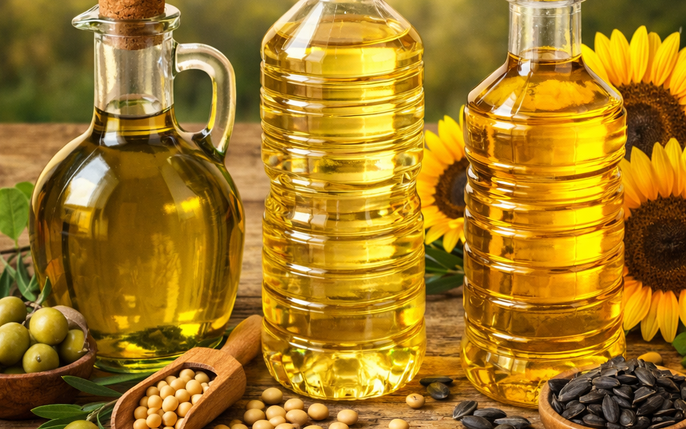
What Are Low-Quality Blended Oils?
Blended oils are mixtures of different types of oils. While not all blends are bad, low-quality blends are often made to reduce cost rather than improve nutrition.
They may include:
- Highly refined oils stripped of nutrients
- Oils exposed to high heat during processing
- Poor-quality ingredients mixed together without transparency
These oils may still look clear and appealing, but their nutritional value is often reduced.
1. Check the Ingredient List Carefully
A good cooking oil should have a clear and simple ingredient list.
- Look for oils labeled as “100%” of a single source (e.g., olive oil, sunflower oil)
- Avoid vague labels like “vegetable oil blend” without detailed composition
- Be cautious of products that don’t specify the proportion of each oil
Transparency is usually a sign of better quality.
2. Understand the Type of Fat
Different oils contain different types of fats:
- Unsaturated fats (healthy): found in olive oil, avocado oil, etc.
- Saturated fats (moderate use): found in coconut oil
- Trans fats (avoid): often found in heavily processed oils
Choosing oils rich in unsaturated fats can support heart health and reduce inflammation.

3. Pay Attention to Processing Methods
How oil is processed matters just as much as its source.
- Cold-pressed or extra virgin oils retain more nutrients
- Refined oils may lose beneficial compounds during processing
- High-heat processing can damage the oil’s structure
Whenever possible, choose minimally processed oils.
4. Consider Smoke Point and Cooking Purpose
Not all oils are suitable for every type of cooking.
- High smoke point oils (e.g., refined sunflower oil) are better for frying
- Low to medium smoke point oils (e.g., extra virgin olive oil) are ideal for salads or light cooking
Using the wrong oil at high temperatures can:
- Break down nutrients
- Produce harmful compounds
Matching the oil to your cooking method is essential.
5. Look at Packaging and Storage
Quality oils are often packaged in ways that protect them from light and air.
- Dark glass bottles are better than clear plastic
- Proper sealing helps prevent oxidation
- Avoid oils that look overly pale or have no natural aroma
Storage conditions can affect both safety and nutritional value.
6. Be Wary of Extremely Low Prices
If a product is significantly cheaper than others, there’s usually a reason.
Low-cost oils may:
- Use lower-quality ingredients
- Be heavily processed
- Contain undisclosed blends
While affordability matters, extremely cheap options may compromise quality.
7. Avoid Misleading Labels
Some products use marketing terms that can be confusing.
- “Light” oil does not necessarily mean healthier
- “Cholesterol-free” is common for plant oils anyway
- “Premium blend” may not guarantee quality
Always rely on ingredient lists and processing information rather than marketing claims.
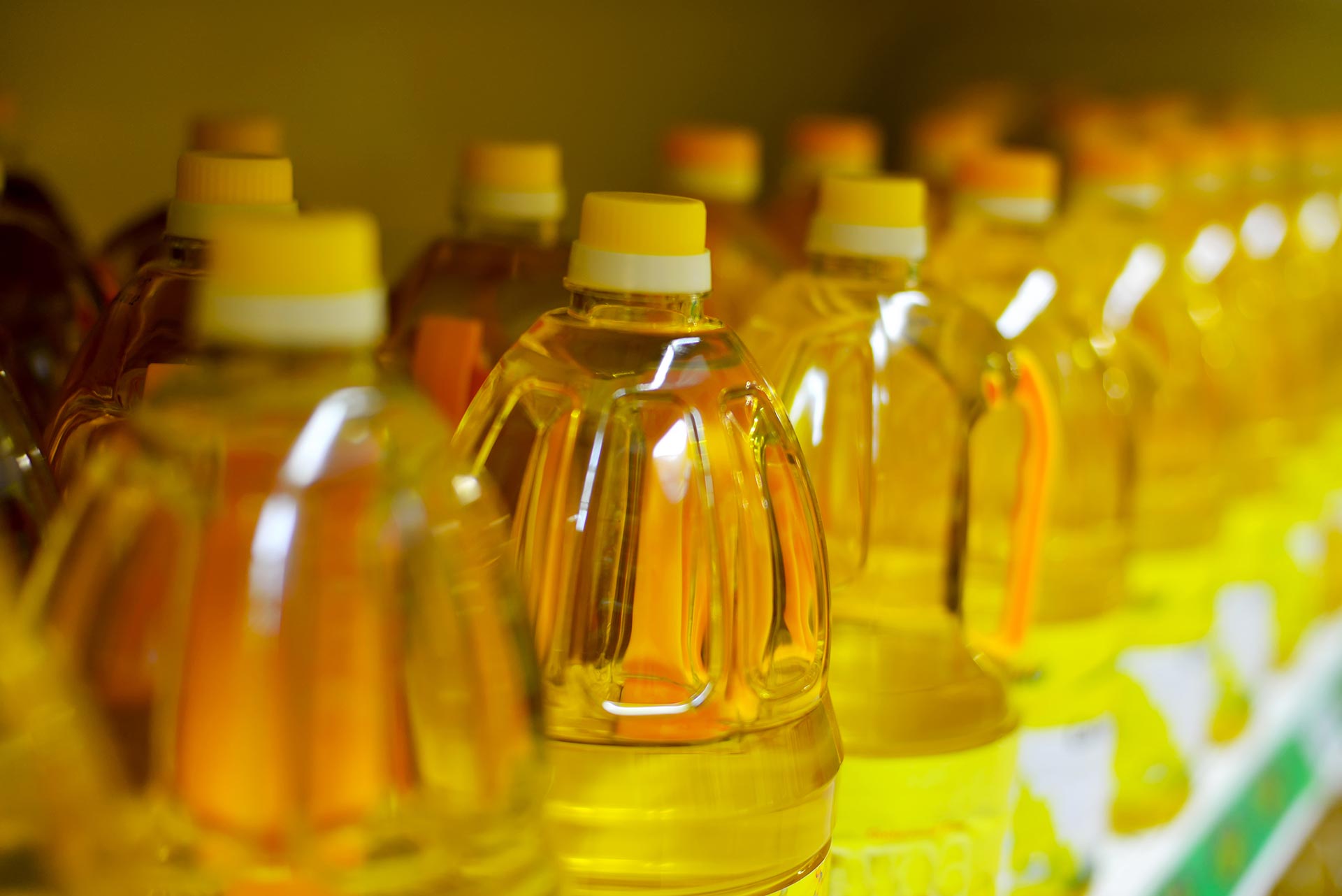
Healthier Oil Options to Consider
While preferences vary, some commonly recommended oils include:
- Olive oil (especially extra virgin)
- Avocado oil
- Sesame oil (in moderation)
- Sunflower or canola oil (high-quality versions)
The best choice depends on your cooking style and dietary needs.
A Balanced Approach to Cooking Oils
No single oil is perfect for everything. A balanced kitchen may include:
- One oil for high-heat cooking
- One for salads or low-heat use
- Occasional use of specialty oils for flavor
Variety helps ensure a broader range of nutrients.
Final Thoughts
Choosing the right cooking oil is not just about taste - it’s about making informed decisions for your health. By paying attention to ingredients, processing methods, and quality indicators, you can avoid low-quality blended oils and select better options for everyday use.
Sometimes, the smallest changes in your kitchen can lead to the biggest improvements in your health.