Bean sprouts are a popular ingredient in many dishes thanks to their crisp texture and nutritional value. However, they are also one of the foods that require extra care before consumption. Because they are grown in warm, humid conditions, bean sprouts can easily harbor bacteria or be exposed to chemical residues during cultivation.
If not handled properly, consuming contaminated sprouts may lead to digestive discomfort or foodborne illness. That’s why knowing how to clean and prepare them correctly is essential for both safety and health.

Understanding Potential Risks
Before diving into cleaning methods, it’s important to understand what you’re trying to remove:
- Bacteria: Such as harmful microbes that thrive in moist environments
- Chemical residues: From growth stimulants or pesticides
- Dirt and impurities: From water sources or handling
These risks don’t mean bean sprouts are unsafe—but they do mean proper preparation is non-negotiable.
Step-by-Step Guide to Cleaning Bean Sprouts
1. Rinse Thoroughly with Running Water
Start by placing the bean sprouts in a colander and rinsing them under clean, running water. Gently stir them with your hands to ensure all surfaces are washed.
This step helps remove dirt, loose particles, and some surface contaminants.
2. Soak in Salt Water
Prepare a bowl of water mixed with a small amount of salt. Soak the bean sprouts for about 10–15 minutes.
Salt water helps reduce bacteria and draw out impurities. It’s a simple and effective method commonly used in many kitchens.
3. Use Vinegar or Lemon Water (Optional)
For an extra level of cleaning, you can soak the sprouts briefly in water mixed with a little vinegar or lemon juice.
- This creates a mild acidic environment
- Helps reduce microbial presence
- Breaks down some chemical residues
However, do not soak for too long, as it may affect taste and texture.
4. Rinse Again with Clean Water
After soaking, rinse the sprouts thoroughly again to remove any remaining salt, vinegar, or loosened impurities.
This step ensures the sprouts are clean and ready for cooking.
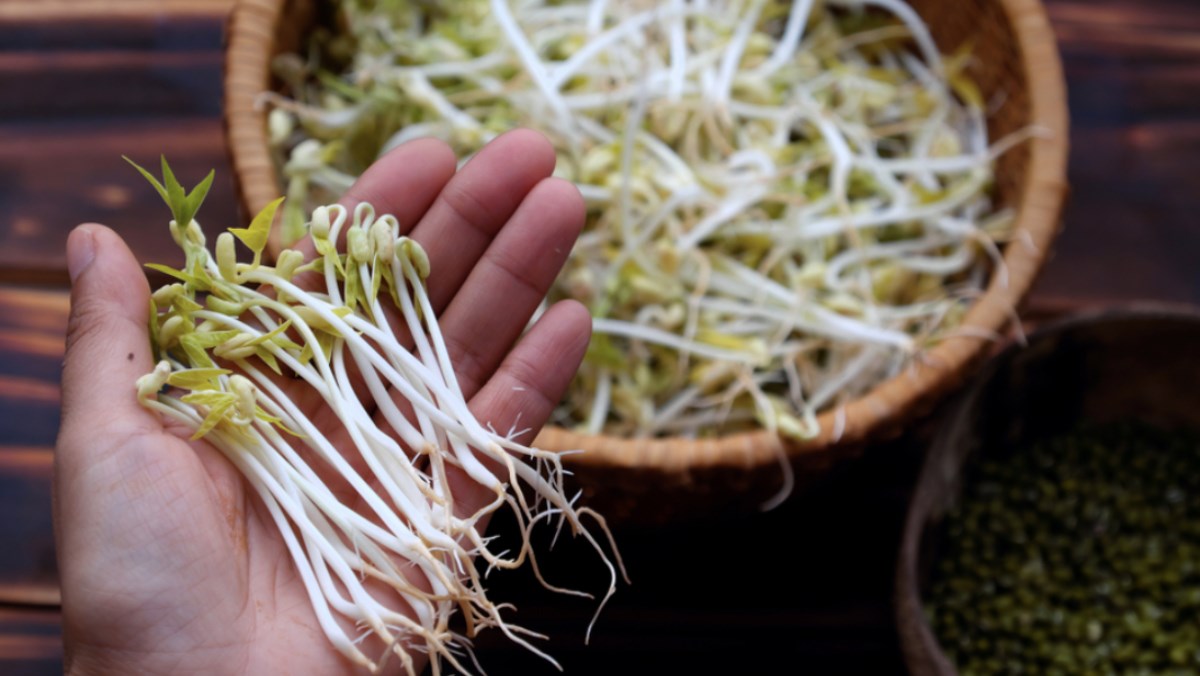
5. Trim Roots if Necessary
Some people prefer to remove the thin root tips of bean sprouts. While not mandatory, trimming can:
- Improve texture
- Reduce bitterness
- Enhance overall appearance
Should You Eat Bean Sprouts Raw?
Although bean sprouts are often used raw in salads or as toppings, it’s generally safer to cook them lightly, especially if you’re concerned about hygiene.
Cooking helps:
- Kill harmful bacteria
- Improve digestibility
- Enhance safety for sensitive individuals
Quick stir-frying, blanching, or adding them to soups are all good options.
Tips for Choosing Safer Bean Sprouts
Cleaning is important, but choosing high-quality sprouts from the beginning makes a big difference:
- Look for fresh, white, and firm sprouts
- Avoid those with a strong odor or slimy texture
- Choose trusted sources or organic options when possible
Freshness often indicates better handling and lower contamination risk.
Proper Storage Matters Too
Even after cleaning, improper storage can cause sprouts to spoil quickly. To keep them fresh:
- Store in the refrigerator
- Keep them dry and in a breathable container
- Use within a few days
Avoid leaving them at room temperature for long periods, as bacteria can grow rapidly.
A Balanced Perspective
It’s important to approach this topic realistically. While there are concerns about bacteria and residues, bean sprouts are still a nutritious and widely consumed food.
The goal is not to avoid them—but to handle them properly. With correct cleaning and preparation, the risks can be significantly reduced.
Final Thoughts
Bean sprouts may look simple, but they require thoughtful preparation. A few extra steps—rinsing, soaking, and proper cooking—can make a big difference in ensuring they are safe to eat.
By combining good hygiene practices with smart food choices, you can enjoy bean sprouts confidently as part of a healthy diet. Sometimes, it’s the small habits in the kitchen that have the biggest impact on overall well-being.