At first glance, a cluster of painful blisters may seem like a simple skin irritation, an allergic reaction, or even a rash caused by heat. However, in some cases, these blisters may be a sign of shingles, a viral condition that affects millions of people worldwide every year.
Many individuals are surprised to learn that shingles is not simply a skin problem. It is actually caused by the reactivation of the same virus that causes chickenpox. While the rash is often the most visible symptom, the underlying condition affects the nerves and can cause significant pain, discomfort, and complications if left untreated.
Recognizing the warning signs early can make a major difference in recovery and may help reduce the risk of long-term nerve damage.
What Is Shingles?
Shingles, also known as herpes zoster, occurs when the varicella-zoster virus becomes active again after remaining dormant in the body.
Anyone who has had chickenpox in the past carries the virus.
After recovery from chickenpox, the virus does not completely disappear. Instead, it hides within nerve tissue near the spinal cord and brain.
Years or even decades later, the virus can reactivate, causing shingles.
This is why a person can develop shingles even if they had chickenpox many years ago.
Why Does the Virus Reactivate?
Researchers are still studying exactly why shingles develops in some individuals and not others.
Several factors appear to increase risk, including:
- Increasing age
- Weakened immune function
- Chronic illness
- Severe stress
- Certain medications
- Cancer treatments
The condition becomes more common after the age of 50, although younger adults can also develop shingles.
The First Signs Often Appear Before the Rash
One reason shingles is often overlooked is that symptoms frequently begin before any visible rash appears.
Many people initially experience:
- Tingling sensations
- Burning skin
- Itching
- Numbness
- Sharp nerve pain
- Sensitivity to touch
These symptoms usually occur on only one side of the body.
Because no rash is visible yet, people may assume they have:
- A muscle strain
- A pinched nerve
- Back pain
- Joint discomfort
- Skin irritation
This early stage may last several days.
The Characteristic Rash
Eventually, the classic shingles rash develops.
The rash often begins as:
- Red patches
- Small bumps
- Areas of inflamed skin
Within a short period, these areas may develop into clusters of fluid-filled blisters.
The blisters often:
- Appear in groups
- Follow a band-like pattern
- Affect one side of the body
- Cause significant discomfort
Common locations include:
- Chest
- Back
- Waist
- Neck
- Face
- Scalp
Unlike many skin conditions, shingles rarely crosses the body's midline.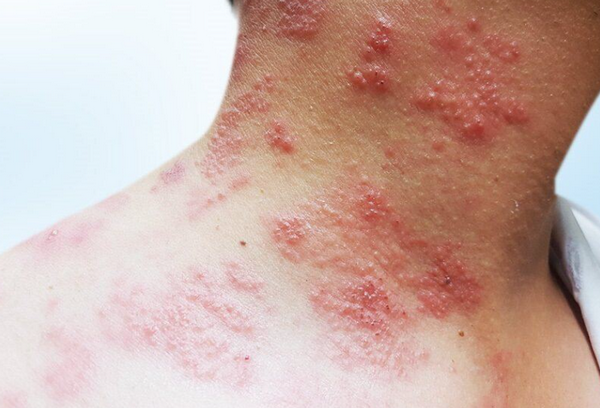
Why Is Shingles So Painful?
The pain associated with shingles is caused by nerve inflammation.
As the virus travels along nerve pathways, it can damage or irritate the affected nerves.
Many people describe the pain as:
- Burning
- Stabbing
- Throbbing
- Electric shock-like
- Extremely sensitive to touch
In some cases, even clothing brushing against the skin can cause discomfort.
For certain individuals, the pain can be more distressing than the rash itself.
Other Symptoms That May Occur
In addition to the rash, shingles may cause:
- Fever
- Headache
- Fatigue
- Chills
- General malaise
- Sensitivity to light
Symptoms vary from person to person.
Some individuals experience only mild discomfort, while others develop severe pain.
Can Shingles Be Dangerous?
Most people recover fully.
However, shingles can occasionally lead to complications.
Postherpetic Neuralgia
This is the most common complication.
Even after the rash disappears, damaged nerves may continue sending pain signals.
The pain may persist for:
- Weeks
- Months
- Sometimes years
Older adults are particularly vulnerable.
Eye Complications
If shingles affects nerves near the eye, it may lead to:
- Eye inflammation
- Vision problems
- Corneal damage
Immediate medical attention is essential if the rash develops near the eyes.
Secondary Skin Infection
Scratching the blisters can allow bacteria to enter the skin.
This may lead to infection and delayed healing.
Is Shingles Contagious?
Many people worry about spreading shingles.
Shingles itself cannot be "caught" from another person.
However, the virus within the blisters can infect someone who has never had chickenpox or has not been vaccinated.
In such cases, the exposed person develops chickenpox rather than shingles.
Until the blisters crust over, it is wise to:
- Keep the rash covered
- Avoid touching the lesions
- Wash hands frequently
- Avoid close contact with vulnerable individuals
Who Is Most at Risk?
Several groups face a higher likelihood of developing shingles.
These include:
Older Adults
Risk increases significantly with age.
People With Weakened Immunity
Conditions affecting immune function may increase vulnerability.
Individuals Under Severe Stress
Chronic stress may influence immune responses.
Those Recovering From Illness
Periods of physical stress may sometimes trigger reactivation.
How Is Shingles Diagnosed?
Doctors often diagnose shingles based on:
- The appearance of the rash
- The location of the blisters
- The pattern of symptoms
In some situations, laboratory testing may be used to confirm the diagnosis.
Treatment Options
Medical treatment often focuses on:
- Reducing viral activity
- Managing pain
- Preventing complications
Antiviral medications may be prescribed.
These medications tend to work best when started within the first few days after the rash appears.
Additional treatments may include:
- Pain relief medications
- Cooling compresses
- Skin care measures
Early treatment is associated with better outcomes.
Can Shingles Be Prevented?
Vaccination is currently one of the most effective ways to reduce the risk of shingles.
Vaccines may help:
- Lower the chance of developing shingles
- Reduce symptom severity
- Decrease the risk of complications
Healthcare providers can advise individuals regarding eligibility and recommendations.
Common Myths About Shingles
Myth: Only Older People Get Shingles
False.
While risk increases with age, younger adults can develop shingles as well.
Myth: Shingles Is Just a Skin Rash
False.
The condition affects nerves and may cause significant pain.
Myth: You Can Only Get Shingles Once
False.
Although uncommon, some people experience shingles more than once.
Myth: If the Rash Goes Away, the Problem Is Over
False.
Nerve pain can persist long after the skin heals.
When Should You Seek Medical Care?
Medical attention is recommended if:
- A painful rash develops suddenly
- Blisters appear on one side of the body
- Symptoms involve the face or eyes
- Pain becomes severe
- Fever accompanies the rash
Prompt evaluation can help improve recovery and reduce complications.
Final Thoughts
Painful blisters should never be dismissed as merely a skin issue. In some cases, they may be an early warning sign of shingles, a condition caused by the reactivation of the chickenpox virus years after the original infection. What begins as tingling, burning, or itching can quickly progress to a painful rash that affects daily life and, in some cases, leads to long-term nerve pain.
Recognizing the symptoms early, seeking timely medical care, and understanding the potential complications can help protect your health. If you notice a painful cluster of blisters, especially on one side of the body, it may be worth discussing the symptoms with a healthcare professional rather than waiting for them to disappear on their own.