Tiny white bumps on the face are a common skin concern that affects people of all ages. Many individuals assume these bumps are ordinary pimples or clogged pores and immediately try to squeeze, scratch, or remove them at home. However, dermatologists often warn that these small white bumps may not be acne at all, and attempting to remove them improperly can sometimes lead to irritation, infection, scarring, or long-lasting skin damage.
Understanding what these bumps are, why they develop, and how they should be treated can help protect your skin and prevent unnecessary complications.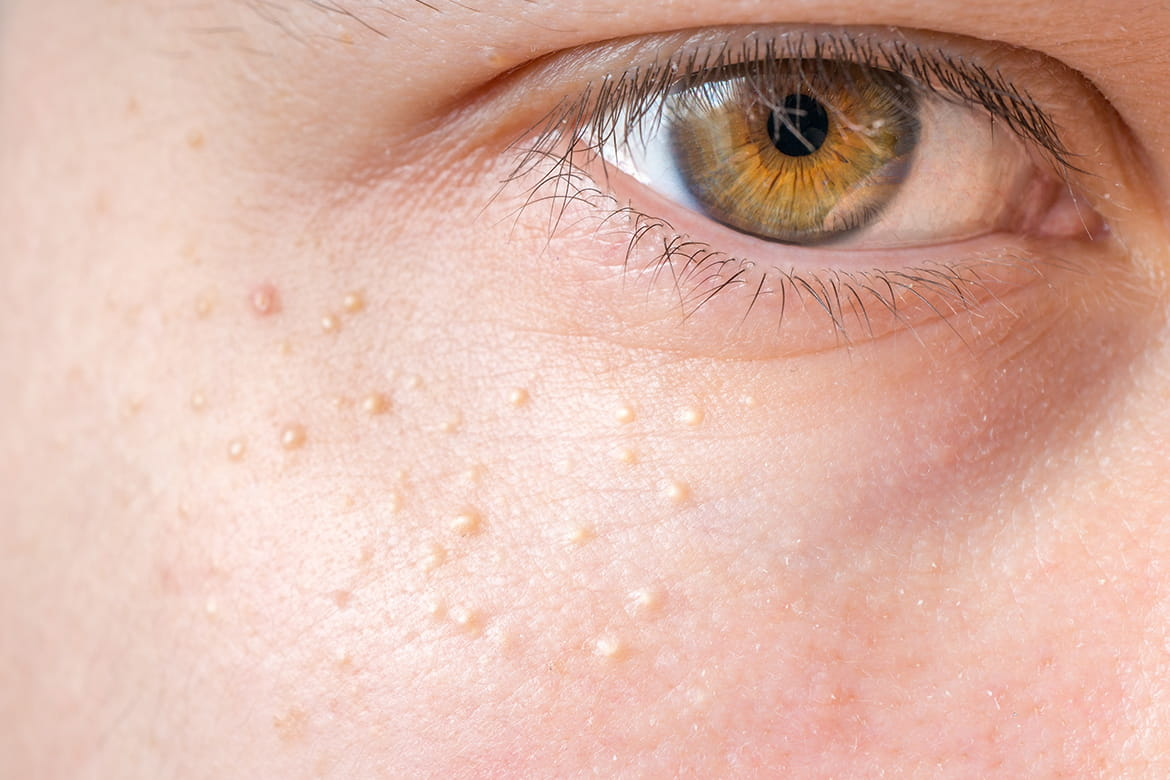
What Are These Tiny White Bumps?
One of the most common causes of small white bumps on the face is a condition known as milia.
Milia are tiny cysts that form when keratin—a protein naturally found in skin, hair, and nails—becomes trapped beneath the surface of the skin.
They often appear as:
- Small white or yellowish bumps
- Firm, pearl-like spots
- Smooth, painless lesions
- Bumps that do not easily pop
Unlike acne, milia do not contain pus and are not caused by bacterial infections.
They commonly appear around:
- The eyes
- The cheeks
- The forehead
- The nose
- The chin
Although harmless, many people seek treatment because of cosmetic concerns.
Why People Mistake Milia for Pimples
At first glance, milia can resemble whiteheads.
However, there are important differences.
Whiteheads
Usually involve:
- Blocked pores
- Oil buildup
- Dead skin cells
- Acne-related inflammation
Milia
Usually involve:
- Trapped keratin
- No inflammation
- No visible pore opening
- A harder texture
Because of these differences, squeezing milia often produces disappointing results.
Why You Should Avoid Popping Them
Many people instinctively try to squeeze facial bumps.
Unfortunately, this can create several problems.
Skin Damage
The skin over milia is often thicker than the surface covering a typical pimple.
Repeated squeezing can cause:
- Redness
- Swelling
- Bruising
- Skin irritation
Infection Risk
Using fingernails, needles, or unsterilized tools increases the risk of introducing bacteria into the skin.
This may result in:
- Infection
- Inflammation
- Delayed healing
Scarring
Facial skin is delicate.
Aggressive picking may leave:
- Permanent scars
- Dark spots
- Uneven skin texture
These issues can be more difficult to treat than the original bump itself.
What Causes Milia?
Milia can develop for several reasons.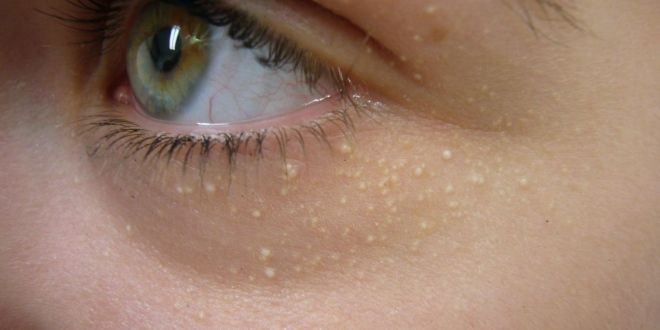
Natural Skin Cell Buildup
Dead skin cells normally shed from the skin surface.
When this process becomes disrupted, keratin may become trapped beneath the skin.
Sun Damage
Long-term sun exposure may contribute to skin changes that increase the likelihood of milia formation.
Heavy Skin Care Products
Certain thick creams or occlusive products may occasionally contribute to blocked skin surfaces.
Skin Injuries
Milia sometimes appear after:
- Burns
- Blistering injuries
- Skin resurfacing procedures
- Certain rashes
Aging
As skin ages, its natural exfoliation processes may slow, increasing the likelihood of trapped keratin.
Are Milia Dangerous?
The good news is that milia are generally harmless.
They are:
- Non-cancerous
- Usually painless
- Not contagious
- Often temporary
Many cases eventually resolve on their own.
However, persistent or widespread bumps should be evaluated by a healthcare professional to ensure the diagnosis is correct.
Other Conditions That Can Look Similar
Not every white bump is milia.
Several other skin conditions can appear similar.
Whiteheads
A common form of acne.
Sebaceous Hyperplasia
Enlarged oil glands that appear as small bumps.
Syringomas
Benign growths originating from sweat glands.
Skin Tags
Small, harmless skin growths.
Certain Types of Cysts
Some cysts may initially resemble milia.
This is one reason why self-diagnosis is not always reliable.
How Dermatologists Remove Milia
If treatment is desired, dermatologists may use specialized techniques.
Common methods include:
Sterile Extraction
A trained professional creates a tiny opening and carefully removes the trapped material.
Chemical Exfoliation
Certain products may help improve skin turnover.
Retinoids
Prescription or over-the-counter retinoid products may assist in preventing new lesions.
Laser Treatments
Occasionally used for specific cases.
Professional treatment minimizes the risk of scarring and infection.
Can You Prevent Milia?
Prevention is not always possible, but several habits may help.
Use Gentle Exfoliation
Regular exfoliation may help remove dead skin cells.
Protect Your Skin From the Sun
Daily sunscreen use supports overall skin health.
Avoid Heavy Products
Some individuals benefit from lighter, non-comedogenic skin care products.
Follow a Consistent Skin Care Routine
Maintaining clean, healthy skin may reduce buildup.
Common Myths About White Facial Bumps
Myth: Every White Bump Is Acne
False.
Many white bumps are unrelated to acne.
Myth: Squeezing Removes Them Faster
False.
Attempting extraction at home may worsen the problem.
Myth: Milia Are Caused by Poor Hygiene
False.
Milia can occur even in people with excellent skin care habits.
Myth: They Are Dangerous
False.
Most milia are harmless and cosmetic in nature.
When Should You See a Dermatologist?
Consider seeking professional advice if:
- The bumps persist for months
- They spread rapidly
- They become irritated
- You are unsure of the diagnosis
- Home skin care measures do not help
A dermatologist can determine the cause and recommend the most appropriate treatment.

Final Thoughts
Tiny white bumps on the face are often harmless, but they are not always ordinary pimples. In many cases, they may be milia—small keratin-filled cysts that develop beneath the skin. While it can be tempting to squeeze or remove them yourself, doing so may increase the risk of irritation, infection, and scarring.
The safest approach is to avoid picking at these bumps and seek professional guidance if they persist or become bothersome. With proper skin care and, when necessary, expert treatment, most cases can be managed effectively while keeping your skin healthy and looking its best.