🚨 Your Heart Could Be Sending These 5 Serious Warning Signals — Don't Ignore Them
Heart disease remains one of the leading causes of death worldwide. One of the biggest challenges is that many heart-related conditions develop gradually, often producing subtle symptoms long before a serious event such as a heart attack occurs.
Unfortunately, many people dismiss these warning signs as stress, aging, fatigue, or minor health issues.
According to health experts, recognizing potential symptoms early may help people seek medical attention sooner and improve outcomes.
Here are five warning signs that could indicate a potential heart condition.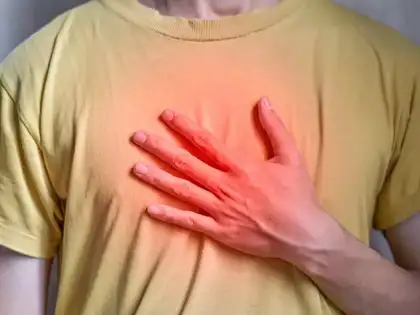
1. Chest Pain or Pressure
Chest discomfort is one of the most recognized signs of heart problems.
People often describe it as:
- Tightness
- Pressure
- Squeezing
- Burning
- Heaviness
The sensation may occur in the center of the chest or spread to nearby areas.
While not all chest pain is heart-related, persistent or recurring chest discomfort should never be ignored.
In some cases, reduced blood flow to the heart muscle can cause chest pain, especially during physical activity or emotional stress.
If chest pain is severe, sudden, or accompanied by other symptoms such as shortness of breath or dizziness, emergency medical attention is needed immediately.
2. Shortness of Breath
Do you become unusually breathless while climbing stairs, walking short distances, or performing activities that were once easy?
Shortness of breath can sometimes occur when the heart struggles to pump blood efficiently throughout the body.
When this happens, fluid may accumulate in the lungs, making breathing more difficult.
Warning signs include:
- Difficulty catching your breath
- Feeling winded with minimal exertion
- Needing extra pillows to sleep comfortably
- Waking up gasping for air
Although respiratory conditions can also cause breathing difficulties, persistent shortness of breath should be evaluated by a healthcare professional.
3. Fatigue That Doesn't Improve With Rest
Everyone feels tired occasionally.
However, unusual fatigue that continues for days or weeks despite adequate rest may sometimes be associated with heart issues.
When the heart cannot circulate blood efficiently, muscles and organs may receive less oxygen than they need.
As a result, some people experience:
- Constant exhaustion
- Low energy levels
- Difficulty completing routine tasks
- Feeling drained after mild activity
Women, in particular, may experience fatigue as an early symptom of heart disease before more obvious warning signs appear.
4. Pain That Spreads Beyond the Chest
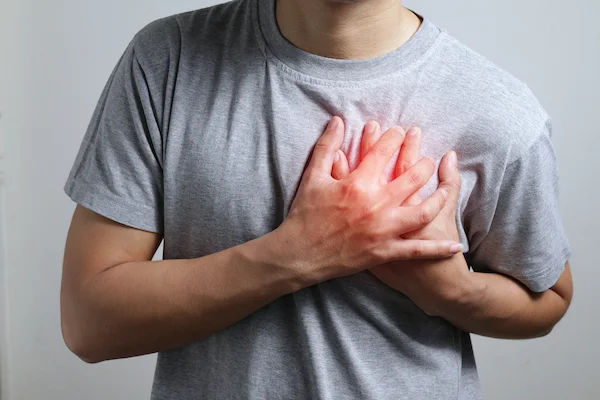
Many people expect heart-related discomfort to remain in the chest.
In reality, pain associated with heart problems can radiate to other areas, including:
- Left arm
- Both arms
- Neck
- Jaw
- Shoulder
- Upper back
Some people experience discomfort in these areas without significant chest pain at all.
The sensation may come and go or appear during physical activity and improve with rest.
Because these symptoms can mimic muscle strain or other common conditions, they are often overlooked.
5. Dizziness, Lightheadedness, or Fainting
Occasional dizziness can result from dehydration, standing up too quickly, or other harmless causes.
However, frequent episodes of dizziness or unexplained fainting may indicate that the heart is not delivering enough blood to the brain.
Potential warning signs include:
- Feeling faint
- Sudden weakness
- Loss of balance
- Episodes of passing out
These symptoms should be taken seriously, especially when they occur alongside chest discomfort, shortness of breath, or heart palpitations.
Other Symptoms Worth Paying Attention To
Heart conditions don't always present in the same way for everyone.
Other symptoms that may deserve medical attention include:
- Rapid or irregular heartbeat
- Swelling in the feet, ankles, or legs
- Excessive sweating without obvious cause
- Persistent nausea
- Unexplained weakness
- Difficulty exercising
Although these symptoms do not automatically indicate heart disease, they can sometimes be associated with cardiovascular problems.
Who Is Most at Risk?
Certain factors increase the likelihood of developing heart disease:
- High blood pressure
- High cholesterol
- Diabetes
- Smoking
- Obesity
- Physical inactivity
- Family history of heart disease
- Chronic stress
- Advanced age
People with multiple risk factors should pay especially close attention to changes in their health.
How to Protect Your Heart
Fortunately, many heart disease risk factors can be improved through healthy lifestyle habits.
Experts recommend:
❤️ Eating a balanced diet rich in fruits, vegetables, whole grains, and lean proteins
❤️ Staying physically active
❤️ Maintaining a healthy weight
❤️ Managing blood pressure and cholesterol
❤️ Avoiding tobacco products
❤️ Limiting excessive alcohol consumption
❤️ Getting adequate sleep
❤️ Managing stress effectively
Regular health checkups can also help identify potential problems before symptoms become severe.
When Should You Seek Immediate Medical Help?
Call emergency services immediately if you experience:
🚨 Severe chest pain
🚨 Sudden shortness of breath
🚨 Fainting
🚨 Pain spreading to the arm, jaw, or back
🚨 Symptoms that appear suddenly and intensely
Quick treatment can be critical during a heart attack or other serious cardiac event.
The Bottom Line
Your heart often provides warning signs before a major problem occurs.
Chest discomfort, shortness of breath, unusual fatigue, pain that radiates beyond the chest, and unexplained dizziness are all symptoms that deserve attention.
While these signs don't always indicate heart disease, ignoring them could delay diagnosis and treatment.
Listening to your body and seeking medical advice when something doesn't feel right may help protect your heart and your long-term health.