


Leg Swelling and Fluid Retention: Possible Causes and Warning Signs to Watch For
What Causes Swollen Legs? Doctors Say Several Medical Conditions Could Be Involved
Health 29/05/2026 22:52
When people think about foods rich in calcium, milk, yogurt, and cheese are usually the first items that come to mind. However, nature offers many plant-based sources of calcium as well, and one of the most remarkable is moringa.
Often called the "miracle tree" in many parts of the world, moringa has been used for centuries as both a food and a traditional medicinal plant. Its leaves are packed with vitamins, minerals, antioxidants, and plant compounds that have attracted growing scientific interest.
Despite its impressive nutritional profile, moringa remains relatively unknown in many households. Yet experts increasingly recognize it as one of the most nutrient-dense edible plants available.
Let's explore why moringa deserves more attention and how it may contribute to a healthy diet.
Moringa comes from the tree Moringa oleifera, which is native to parts of South Asia but is now cultivated in tropical and subtropical regions worldwide.
Nearly every part of the tree can be used, including:
However, the leaves are particularly valued because of their exceptional nutritional content.
Moringa leaves may be consumed:

Calcium is one of the most important minerals in the human body.
It helps support:
Because the body cannot produce calcium on its own, it must be obtained through food.
Insufficient calcium intake over long periods may increase the risk of:
This makes calcium-rich foods an important part of a balanced diet.
Moringa leaves contain significant amounts of calcium compared with many commonly consumed vegetables.
Depending on preparation methods and growing conditions, moringa leaves may provide more calcium than many leafy greens.
This is one reason moringa is often promoted as a valuable plant-based source of minerals.
For people seeking dietary variety, moringa may serve as a useful complement to other calcium-rich foods.
One reason nutrition experts find moringa so interesting is that it provides far more than a single nutrient.
Moringa leaves contain:
The combination of nutrients makes moringa particularly unique among vegetables.
Moringa contains numerous antioxidant compounds.
Researchers have identified substances such as:
Antioxidants help protect cells from oxidative stress caused by free radicals.
Scientists continue investigating how antioxidant-rich foods may contribute to long-term health.
Because moringa provides:
it is often discussed in relation to bone health.
Healthy bones require a combination of nutrients rather than calcium alone.
A balanced diet that includes nutrient-rich vegetables may help support skeletal health throughout life.
Unlike many vegetables, moringa contains a notable amount of protein.
Protein contributes to:
This makes moringa especially attractive for individuals looking to increase plant-based nutrient intake.
Researchers have studied moringa for its possible effects on blood sugar regulation.
Some early studies suggest certain compounds in moringa may influence:
However, more large-scale human research is needed before firm conclusions can be made.
Moringa should not be viewed as a treatment for diabetes.
Several nutrients found in moringa may support cardiovascular wellness.
These include:
Scientists continue studying how these compounds may influence:
Again, moringa should be considered part of an overall healthy lifestyle rather than a standalone solution.
The vitamin C and vitamin A found in moringa contribute to normal immune function.
These nutrients help support:
A nutrient-rich diet plays an important role in maintaining the body's natural defenses.
Many people are surprised by how versatile moringa can be.
Common uses include:
Added to soups, stews, and vegetable dishes.
Mixed into:
A popular caffeine-free beverage.
Young leaves may be incorporated into salads in some regions.
Because moringa has gained popularity online, exaggerated claims frequently appear.
Some sources claim moringa can:
These claims are not supported by strong scientific evidence.
Moringa is a nutritious food, but it is not a miracle cure.
Moringa is generally considered safe when consumed as a food.
However, individuals should exercise caution if they:
Anyone considering significant dietary changes should consult a healthcare professional.
Despite its impressive nutritional profile, moringa remains underutilized in many countries.
Possible reasons include:
As nutritional research expands, moringa continues gaining attention as an affordable and nutrient-rich food source.
Moringa is one of the most nutrient-dense vegetables available and deserves recognition for its remarkable nutritional profile. Rich in calcium, vitamins, minerals, antioxidants, fiber, and plant protein, moringa offers a wide range of nutrients that may support overall health when included as part of a balanced diet.
While it should not be viewed as a cure for disease, moringa can be a valuable addition to healthy eating habits. For those looking to diversify their nutrient sources, this often-overlooked plant may be one of the most impressive vegetables nature has to offer.
What Causes Swollen Legs? Doctors Say Several Medical Conditions Could Be Involved

Experts Warn That Frequent Consumption of These 5 Foods May Impact Liver Function

Why Some Non-Smokers Develop Lung Can.cer: Researchers Point to a Common Environmental Exposure

Doctors Say Certain Changes in the Arms or Legs May Occasionally Be Linked to Can.cer

Persistent Ringing in the Ears May Be a Warning Sign of Underlying Health Problems

Doctors Recommend Cutting Back on These 5 Drinks to Better Protect Your Heart and Circulation

The body often whispers before it starts to scream. Here are the signs

These 5 Sudden Symptoms May Signal a Stroke in Younger Adults

Drinking Banana Water Before Bed Has Become Popular - Here's Why People Are Talking About It

Doctors and Hygiene Experts Explain What Happens When You Pee in the Shower

The Natural Foods Many People Eat to Support Respiratory Wellness
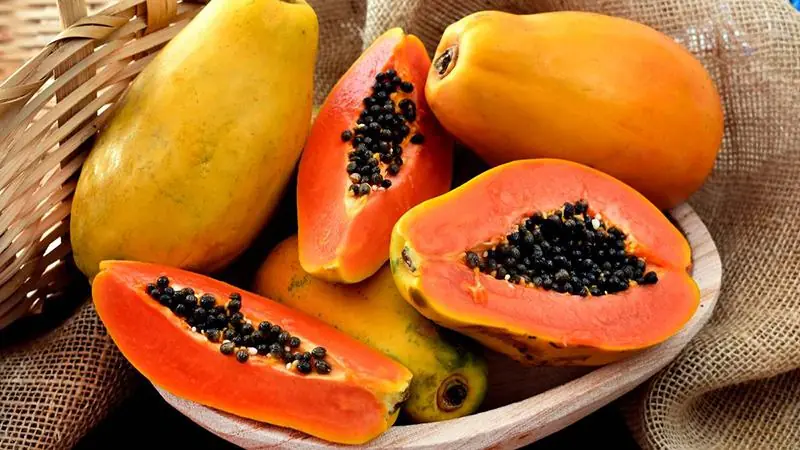
Known for its vibrant color and sweet taste, papaya is a tropical fruit often associated with digestive wellness
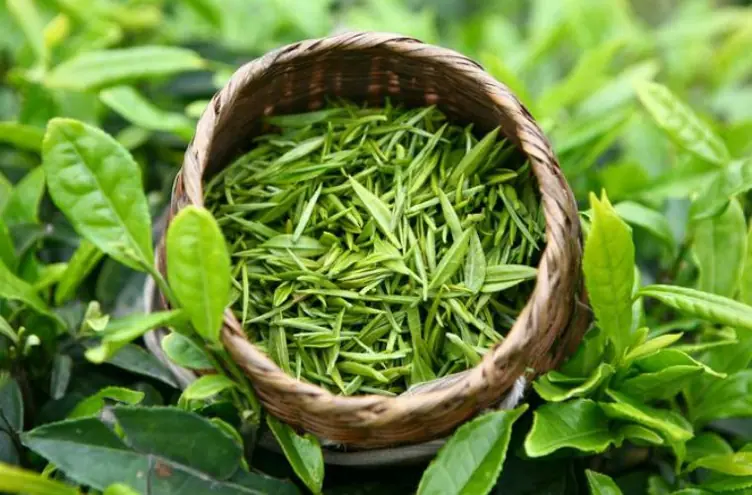
Heart Health Starts With Daily Habits - Including What You Drink Each Day
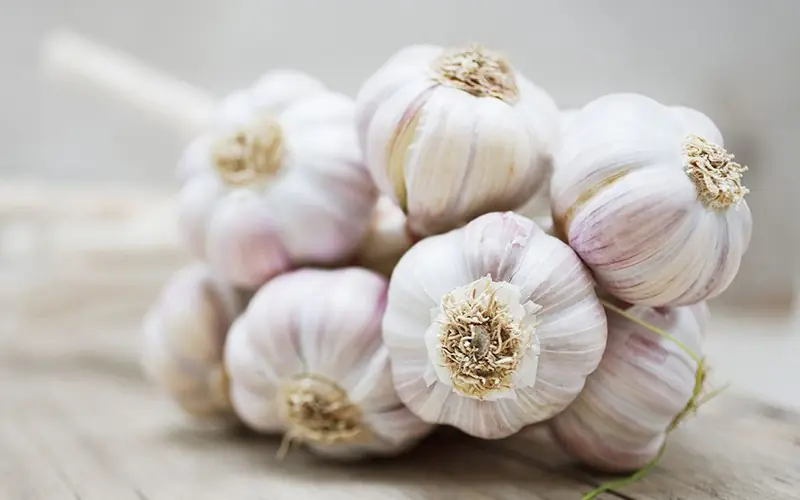
Why Garlic Remains One of the Most Studied Natural Foods in Health Research?

Your Nails May Reveal More About Your Health Than You Think

The Hidden Nutritional Power of Chicken Feet Revealed

These 12 Changes in Your Body Should Never Be Ignored 😨 Here’s What Doctors Want Everyone to Watch For 👀👇

Unexpected Liver Test Results After Eating Steamed Sweet Potatoes Daily

Doctors Reveal Why This Common Sleeping Habit Deserves Attention
What Causes Swollen Legs? Doctors Say Several Medical Conditions Could Be Involved
Experts Warn That Frequent Consumption of These 5 Foods May Impact Liver Function

From Genetics to Beauty: Why Green Eyes Fascinate So Many People
Why Some Non-Smokers Develop Lung Can.cer: Researchers Point to a Common Environmental Exposure
Doctors Say Certain Changes in the Arms or Legs May Occasionally Be Linked to Can.cer
Persistent Ringing in the Ears May Be a Warning Sign of Underlying Health Problems
Doctors Recommend Cutting Back on These 5 Drinks to Better Protect Your Heart and Circulation
The body often whispers before it starts to scream. Here are the signs

A Handful of Salt in the Fridge Could Help Solve Several Common Household Problems
These 5 Sudden Symptoms May Signal a Stroke in Younger Adults

Many People Boil Eggshells Instead of Discarding Them - Here's Why

The toilet lid — should it be closed or left open?
Drinking Banana Water Before Bed Has Become Popular - Here's Why People Are Talking About It
Doctors and Hygiene Experts Explain What Happens When You Pee in the Shower

I took deli ham out of the fridge and noticed an iridescent, rainbow-like sheen on the slices. Is that normal?
The Natural Foods Many People Eat to Support Respiratory Wellness
Known for its vibrant color and sweet taste, papaya is a tropical fruit often associated with digestive wellness
Heart Health Starts With Daily Habits - Including What You Drink Each Day
Why Garlic Remains One of the Most Studied Natural Foods in Health Research?