9 Nail Changes That Could Be Signs of Underlying Health Issues 💅⚠️
Your nails do more than protect your fingertips — they can sometimes provide important clues about your overall health. Doctors say changes in nail color, texture, shape, or thickness may occasionally reflect underlying medical conditions, nutritional deficiencies, or lifestyle habits.
While many nail changes are harmless, persistent or unusual symptoms should never be ignored. Paying attention to these signs may help identify health problems earlier.
Here are 9 nail changes doctors say could deserve closer attention.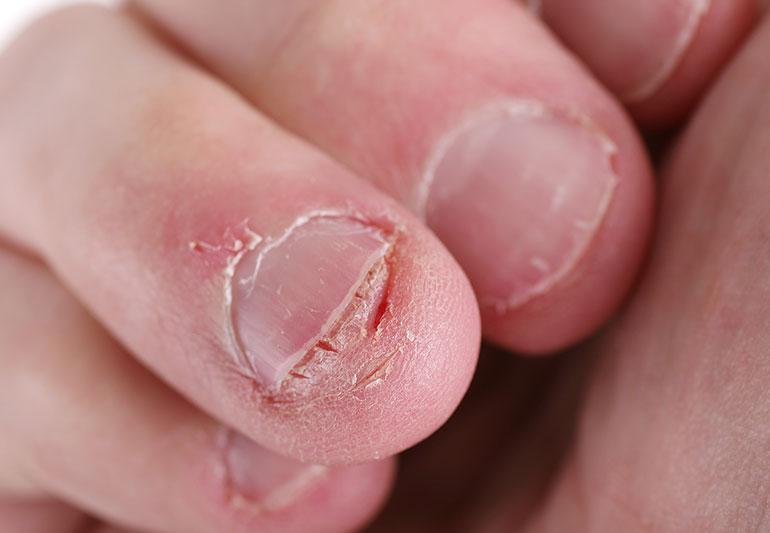
1. Pale or White Nails
Very pale nails may sometimes be linked to conditions such as:
- Anemia
- Liver problems
- Poor circulation
- Nutritional deficiencies
If the nail bed loses its healthy pink color for a long period of time, it may be worth discussing with a healthcare professional.
2. Yellow Nails
Yellow nails are often associated with fungal infections, especially if the nails become thick or brittle.
In some cases, yellowing may also be connected to:
- Smoking
- Diabetes
- Lung conditions
- Chronic respiratory issues
Persistent discoloration should be evaluated if it does not improve.
3. Dark Lines or Black Streaks
Dark streaks under the nails can sometimes occur after injury. However, doctors warn that unexplained dark lines — especially on a single nail — should never be ignored.
In rare cases, they may be associated with serious skin conditions requiring medical evaluation.
4. Brittle or Cracked Nails
Nails that split, peel, or break easily may be linked to:
- Frequent water exposure
- Aging
- Iron deficiency
- Thyroid problems
- Vitamin deficiencies
Dryness and harsh chemicals can also weaken the nails over time.
5. Spoon-Shaped Nails
Nails that curve upward like a spoon may sometimes be associated with iron deficiency anemia.
This condition, known as koilonychia, can make nails appear thin and unusually shaped.
6. Thickened Nails
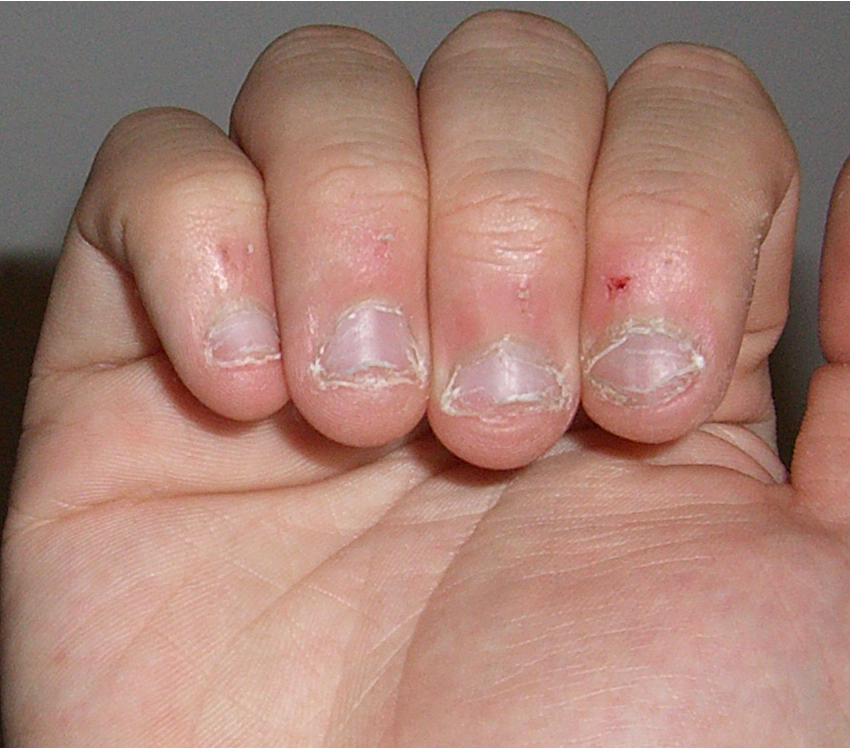
Thick nails may develop from fungal infections, aging, or repeated trauma. However, they can also occasionally be linked to circulation problems or chronic health conditions.
If thickening appears suddenly or becomes painful, medical advice may be helpful.
7. Clubbed Fingertips
Clubbing occurs when the fingertips enlarge and the nails curve downward around the fingertips.
Doctors say clubbing may sometimes be associated with:
- Lung disease
- Heart disease
- Liver conditions
- Digestive disorders
This change usually develops gradually over time.
8. Horizontal Ridges or Grooves
Deep horizontal lines across the nails, called Beau’s lines, may appear after severe illness, stress, injury, or nutritional problems.
These grooves can temporarily interrupt nail growth and may reflect previous health events.
9. Blue or Purple Nails

Bluish nails may sometimes indicate low oxygen levels in the blood or circulation problems.
Cold temperatures can occasionally cause temporary discoloration, but persistent blue nails should be evaluated by a doctor.
What Causes Nail Changes?
Nail appearance can be influenced by many factors, including:
- Nutrition
- Aging
- Illness
- Stress
- Medications
- Hydration
- Injuries
- Infections
Because nails grow slowly, changes may reflect health issues that developed weeks or even months earlier.
How to Keep Your Nails Healthy
Doctors recommend several habits to support healthy nails:
- Eat a balanced diet rich in vitamins and minerals
- Stay hydrated
- Avoid biting nails
- Protect hands from harsh chemicals
- Keep nails clean and dry
- Moisturize regularly
- Wear gloves during cleaning
Healthy lifestyle habits often support healthier nails as well.
When Should You See a Doctor?
Many nail changes are harmless, but medical attention may be important if you notice:
- Sudden discoloration
- Pain or swelling
- Persistent thickening
- Bleeding under the nail
- Nails separating from the nail bed
- Dark streaks without injury
Early evaluation may help identify underlying problems before they become more serious.
Final Thoughts
Your nails can sometimes act like small windows into your overall health. While not every change is dangerous, unusual or persistent nail symptoms should not be ignored.
Paying attention to your body’s signals — even subtle ones — may help you detect potential health issues earlier and take steps toward better well-being.