When most people think of lung cancer, smoking is usually the first thing that comes to mind. And for good reason—tobacco smoking remains the leading cause of lung cancer worldwide.
However, a surprising fact often goes unnoticed: a significant number of people diagnosed with lung cancer have never smoked a cigarette in their lives.
In fact, researchers estimate that lung cancer in never-smokers would rank among the most common cancers globally if considered a separate disease category. This has led scientists to investigate why some people develop lung cancer despite avoiding tobacco completely.
One potential answer may involve an exposure that millions of people encounter every day: air pollution, particularly indoor and outdoor pollution.
Let's explore what researchers have discovered and why awareness is becoming increasingly important.

Lung Cancer Is Not Just a Smoker's Disease
Although smoking remains the largest risk factor, experts emphasize that lung cancer can develop in anyone.
Cases are regularly diagnosed among:
- Never-smokers
- Former smokers
- Young adults
- Older adults
- Men and women
Researchers have noticed that certain forms of lung cancer appear relatively more frequently among non-smoking women, particularly in parts of Asia.
This observation has prompted extensive research into environmental and genetic factors.
Understanding Lung Cancer
Lung cancer occurs when abnormal cells in the lungs begin growing uncontrollably.
Over time, these cells may:
- Form tumors
- Invade nearby tissues
- Spread to other parts of the body
One challenge is that early-stage lung cancer often produces few symptoms.
As a result, diagnosis may be delayed until the disease becomes more advanced.
Why Researchers Are Focusing on Air Pollution
Air pollution has emerged as one of the most important environmental risk factors under investigation.
Air pollution consists of microscopic particles and gases released from:
- Vehicle exhaust
- Industrial activity
- Power generation
- Construction sites
- Burning fuels
- Wildfires
Some particles are so small that they can travel deep into the lungs.
Scientists continue studying how long-term exposure may influence lung health.
Fine Particulate Matter: The Invisible Threat
One type of pollution that receives significant attention is known as PM2.5.
These particles are:
- Extremely small
- Often invisible to the naked eye
- Easily inhaled
Because of their size, PM2.5 particles may penetrate deep into the respiratory system.
Researchers have associated long-term exposure with increased risks of:
- Respiratory disease
- Cardiovascular disease
- Lung cancer
Indoor Air Pollution May Also Matter
Many people assume pollution only exists outdoors.
However, indoor air quality can sometimes be equally important.
Potential sources include:
- Cooking fumes
- Poor ventilation
- Wood-burning stoves
- Coal-burning fuels
- Household smoke
Researchers have paid particular attention to cooking-related exposures in some Asian countries.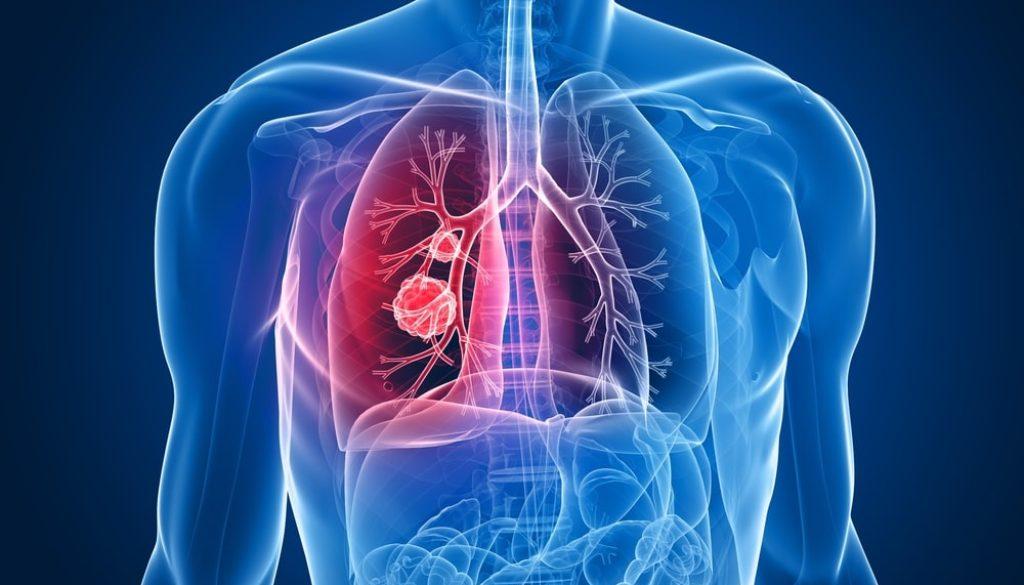
Why Asian Women Have Received Attention in Research
Several studies have observed relatively high rates of lung cancer among non-smoking women in certain parts of Asia.
Researchers believe multiple factors may contribute, including:
- Indoor cooking fumes
- Air pollution exposure
- Genetic susceptibility
- Environmental conditions
It is important to note that no single factor explains every case.
Scientists continue investigating why these patterns occur.
Cooking Fumes and Lung Health
Cooking generates airborne particles, especially when:
- Oils are heated to high temperatures
- Food is fried
- Ventilation is poor
The smoke and fumes produced during cooking may contain substances that researchers continue to study for potential health effects.
Improving kitchen ventilation may help reduce exposure.
Other Risk Factors Beyond Smoking
Lung cancer can result from a combination of factors.
Researchers have identified several additional risks, including:
Radon Gas
Radon is a naturally occurring radioactive gas.
It can accumulate inside buildings and is considered one of the leading causes of lung cancer among non-smokers in some countries.
Secondhand Smoke
Even individuals who do not smoke may inhale tobacco smoke from others.
Long-term exposure has been linked to increased health risks.
Occupational Exposures
Certain workplaces may expose workers to substances such as:
- Asbestos
- Silica dust
- Diesel exhaust
- Industrial chemicals
Family History
Genetic factors may influence susceptibility in some individuals.
Early Symptoms Can Be Easy to Miss
One reason lung cancer remains challenging is that symptoms may initially be subtle.
Possible warning signs include:
- Persistent cough
- Shortness of breath
- Chest pain
- Hoarseness
- Unexplained weight loss
- Fatigue
- Coughing up blood
Many of these symptoms can also be caused by non-cancerous conditions.
However, persistent symptoms should be evaluated by a healthcare professional.
Why Early Detection Matters
Like many cancers, outcomes often improve when lung cancer is detected early.
Early diagnosis may allow:
- More treatment options
- Better disease control
- Improved survival rates
Individuals with elevated risk factors may benefit from discussing screening recommendations with healthcare providers.
Can You Reduce Your Risk?
While no method can eliminate risk entirely, experts recommend several strategies:
Avoid Smoking
The most important preventive step.
Minimize Secondhand Smoke Exposure
Improve Indoor Air Quality
- Use ventilation fans
- Open windows when appropriate
- Maintain air filtration systems
Monitor Radon Levels
Testing may be appropriate in some regions.
Follow Workplace Safety Guidelines
Use protective equipment when necessary.
Support Overall Lung Health
- Exercise regularly
- Maintain a healthy weight
- Eat a balanced diet
Common Myths About Lung Cancer
Myth: Only Smokers Get Lung Cancer
False.
A substantial number of cases occur in people who have never smoked.
Myth: If You Feel Fine, Your Lungs Must Be Healthy
False.
Early lung cancer may cause few symptoms.
Myth: Air Pollution Is Harmless
False.
Researchers continue documenting health risks associated with long-term exposure.
The Growing Focus on Environmental Health
As smoking rates decline in many regions, researchers are increasingly examining environmental contributors to disease.
Air quality, occupational exposures, indoor pollution, and genetic factors are becoming major areas of study.
This research is helping experts better understand why some individuals develop lung cancer despite never smoking.
Final Thoughts
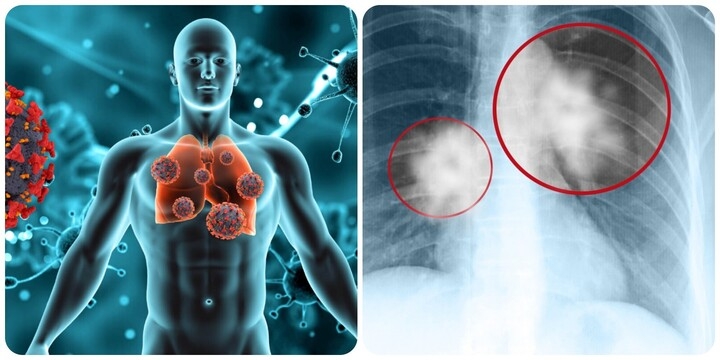
You do not have to smoke to develop lung cancer. While tobacco remains the leading risk factor, scientists have identified several other contributors, including air pollution, indoor cooking fumes, secondhand smoke, radon exposure, and certain occupational hazards. Research suggests that these factors may help explain why some non-smokers—particularly women in certain regions of Asia develop lung cancer.
The most important takeaway is that lung health depends on more than smoking status alone. Paying attention to air quality, improving ventilation, reducing harmful exposures, and seeking medical evaluation for persistent respiratory symptoms can all play a role in protecting long-term lung health.