
Leg Swelling and Fluid Retention: Possible Causes and Warning Signs to Watch For
What Causes Swollen Legs? Doctors Say Several Medical Conditions Could Be Involved
Health 29/05/2026 22:52
The liver is one of the hardest-working organs in the human body. Every day, it performs hundreds of essential functions, including filtering toxins, processing nutrients, producing important proteins, regulating metabolism, and helping the body store energy.
Despite its remarkable ability to regenerate, the liver is not invincible. Over time, certain dietary habits may place additional stress on this vital organ and contribute to conditions such as fatty liver disease, inflammation, and other liver-related health concerns.
The good news is that many liver problems are influenced by lifestyle choices. What you eat on a regular basis can have a significant impact on long-term liver health.
While no single food will automatically damage the liver, experts suggest that limiting certain foods may help support healthy liver function.
Let's take a closer look at five foods that may be worth cutting back on.
The liver helps the body:
When the liver becomes overloaded or damaged, these important functions may become less efficient.
Many liver conditions develop gradually and often cause few symptoms in the early stages.
This is why prevention is so important.

One of the biggest concerns for liver health is excessive sugar consumption.
Common sources include:
When large amounts of sugar—especially fructose—are consumed, the liver helps process it.
Excessive intake may contribute to:
Researchers have linked high sugar consumption to an increased risk of non-alcoholic fatty liver disease (NAFLD).
Consider:
Many convenience foods contain ingredients that may be problematic when consumed frequently.
Examples include:
These foods often contain:
Over time, a diet high in ultra-processed foods may contribute to:
Fried foods are popular around the world, but frequent consumption may pose challenges for liver health.
Common examples include:
Deep-fried foods are often high in:
Excessive intake may contribute to:
The liver plays a major role in fat metabolism, making dietary fat quality important.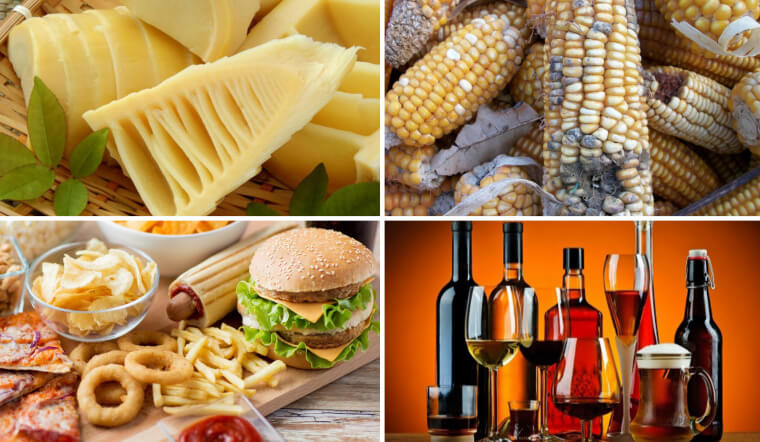
Processed meats include:
These products are often high in:
Diets high in processed meats have been associated with various health concerns, including metabolic issues that may indirectly affect liver health.
Reducing processed meat consumption while increasing lean protein sources may support overall wellness.
Alcohol is one of the most well-known substances associated with liver damage.
The liver is responsible for breaking down alcohol, and excessive intake can place significant stress on liver cells.
Long-term excessive drinking may contribute to:
Risk depends on factors such as:
Reducing alcohol intake is one of the most effective ways to protect liver health.
Many liver conditions develop quietly.
Possible symptoms may include:
These symptoms can have many causes and should be evaluated by a healthcare professional.
Alcohol is one of the most well-known substances associated with liver damage.
The liver is responsible for breaking down alcohol, and excessive intake can place significant stress on liver cells.
Long-term excessive drinking may contribute to:
Risk depends on factors such as:
Reducing alcohol intake is one of the most effective ways to protect liver health.
Many liver conditions develop quietly.
Possible symptoms may include:
These symptoms can have many causes and should be evaluated by a healthcare professional.
Many products claim to:
Most of these claims lack strong scientific support.
The liver already performs natural detoxification functions every day.
The best way to support it is through:
It is important to remember that no single food determines liver health.
Occasionally enjoying less healthy foods is unlikely to cause major problems for most people.
The concern arises when these foods become a regular part of the diet over many years.
Consistency matters more than perfection.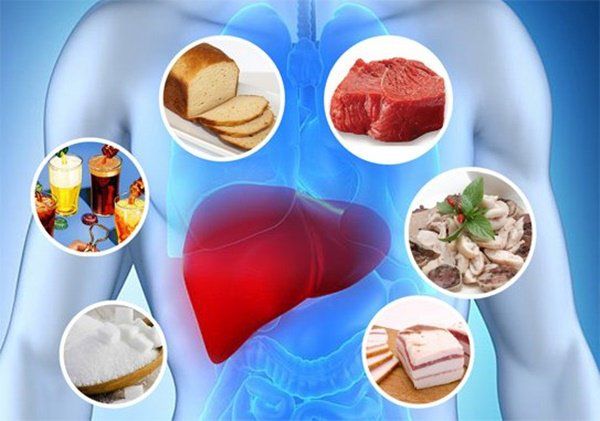
The liver plays a vital role in maintaining overall health, and dietary choices can significantly influence its function over time. Sugary foods, highly processed products, deep-fried foods, processed meats, and excessive alcohol are among the dietary factors that experts often recommend limiting to support long-term liver health.
Rather than focusing on strict restrictions, the most effective approach is to build a balanced eating pattern rich in vegetables, fruits, whole grains, lean proteins, and healthy fats. Combined with regular physical activity and healthy lifestyle habits, these choices can help support the liver's remarkable ability to keep the body functioning at its best.
What Causes Swollen Legs? Doctors Say Several Medical Conditions Could Be Involved

The Surprising Calcium-Rich Vegetable Hiding in Plain Sight in Many Kitchens
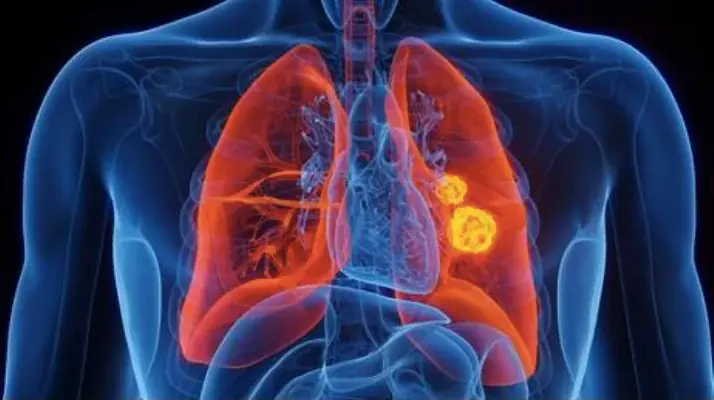
Why Some Non-Smokers Develop Lung Can.cer: Researchers Point to a Common Environmental Exposure

Doctors Say Certain Changes in the Arms or Legs May Occasionally Be Linked to Can.cer

Persistent Ringing in the Ears May Be a Warning Sign of Underlying Health Problems

Doctors Recommend Cutting Back on These 5 Drinks to Better Protect Your Heart and Circulation

The body often whispers before it starts to scream. Here are the signs

These 5 Sudden Symptoms May Signal a Stroke in Younger Adults

Drinking Banana Water Before Bed Has Become Popular - Here's Why People Are Talking About It

Doctors and Hygiene Experts Explain What Happens When You Pee in the Shower
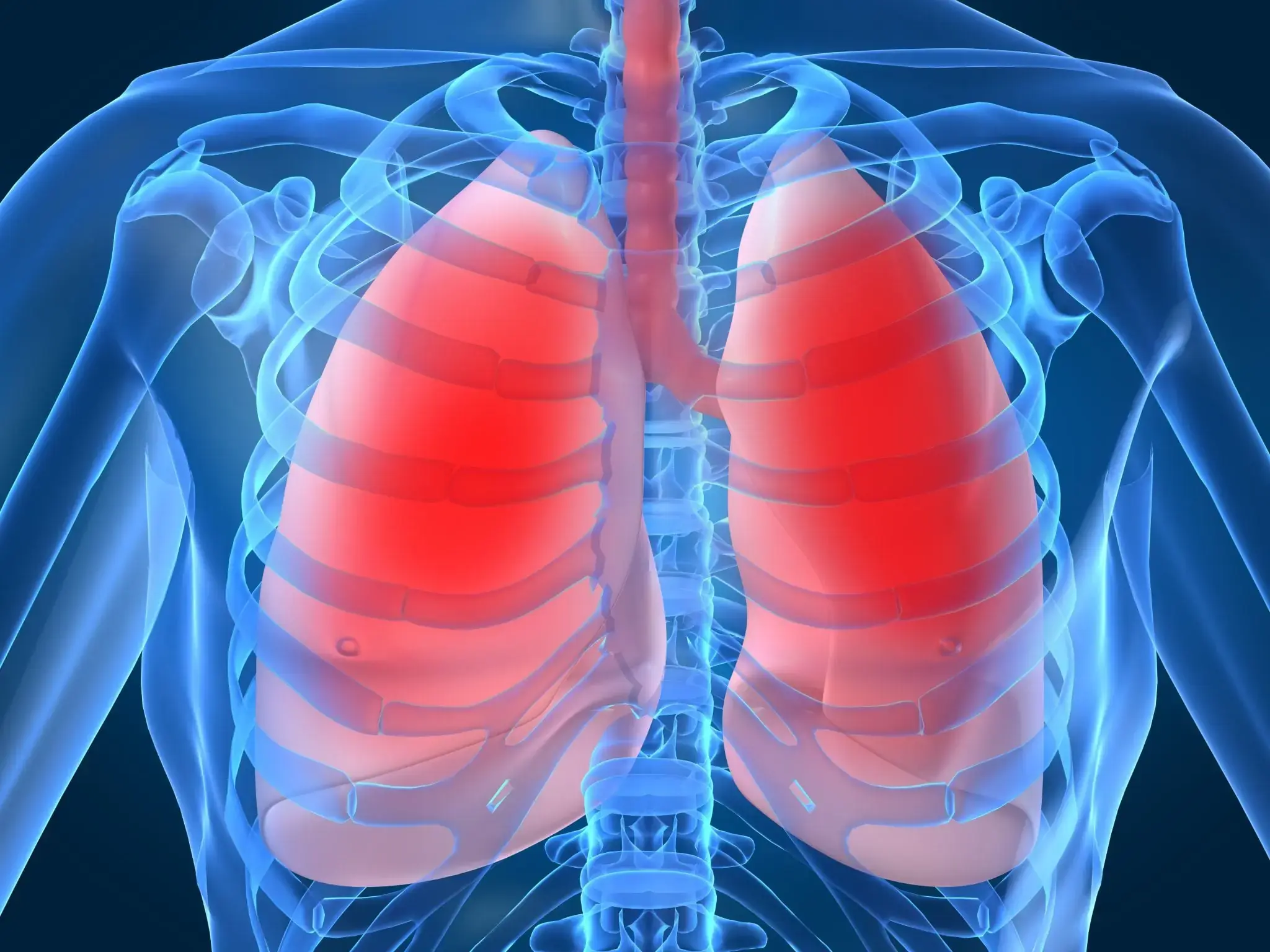
The Natural Foods Many People Eat to Support Respiratory Wellness
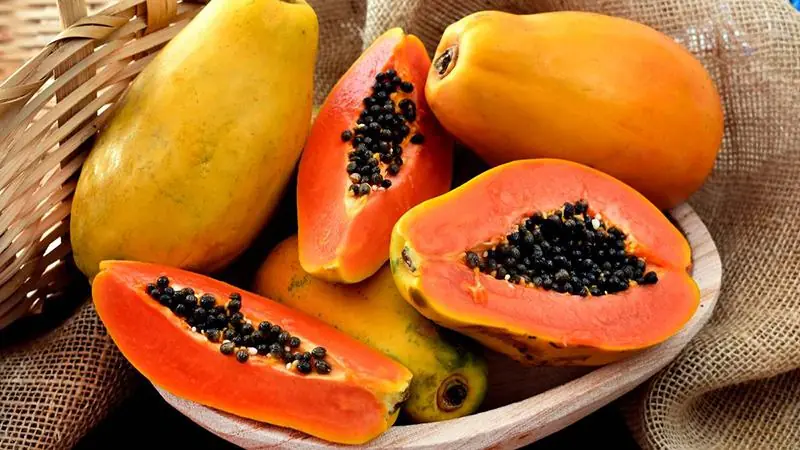
Known for its vibrant color and sweet taste, papaya is a tropical fruit often associated with digestive wellness

Heart Health Starts With Daily Habits - Including What You Drink Each Day
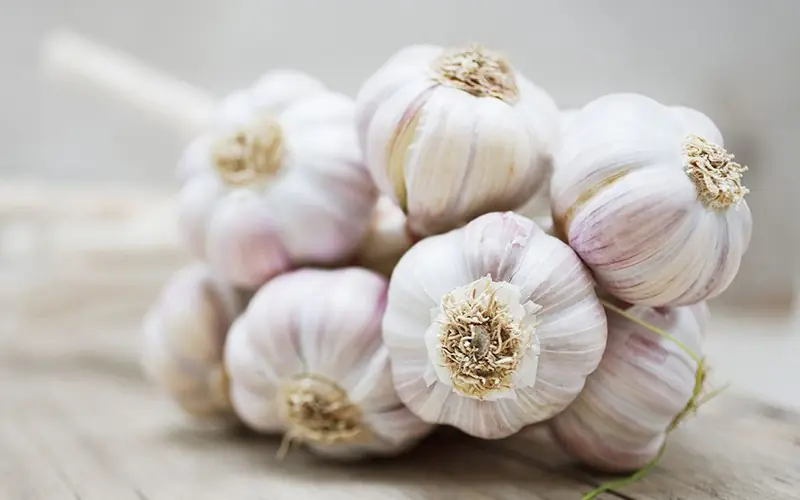
Why Garlic Remains One of the Most Studied Natural Foods in Health Research?

Your Nails May Reveal More About Your Health Than You Think

The Hidden Nutritional Power of Chicken Feet Revealed
These 12 Changes in Your Body Should Never Be Ignored 😨 Here’s What Doctors Want Everyone to Watch For 👀👇

Unexpected Liver Test Results After Eating Steamed Sweet Potatoes Daily

Doctors Reveal Why This Common Sleeping Habit Deserves Attention
What Causes Swollen Legs? Doctors Say Several Medical Conditions Could Be Involved
The Surprising Calcium-Rich Vegetable Hiding in Plain Sight in Many Kitchens

From Genetics to Beauty: Why Green Eyes Fascinate So Many People
Why Some Non-Smokers Develop Lung Can.cer: Researchers Point to a Common Environmental Exposure
Doctors Say Certain Changes in the Arms or Legs May Occasionally Be Linked to Can.cer
Persistent Ringing in the Ears May Be a Warning Sign of Underlying Health Problems
Doctors Recommend Cutting Back on These 5 Drinks to Better Protect Your Heart and Circulation
The body often whispers before it starts to scream. Here are the signs

A Handful of Salt in the Fridge Could Help Solve Several Common Household Problems
These 5 Sudden Symptoms May Signal a Stroke in Younger Adults

Many People Boil Eggshells Instead of Discarding Them - Here's Why

The toilet lid — should it be closed or left open?
Drinking Banana Water Before Bed Has Become Popular - Here's Why People Are Talking About It
Doctors and Hygiene Experts Explain What Happens When You Pee in the Shower

I took deli ham out of the fridge and noticed an iridescent, rainbow-like sheen on the slices. Is that normal?
The Natural Foods Many People Eat to Support Respiratory Wellness
Known for its vibrant color and sweet taste, papaya is a tropical fruit often associated with digestive wellness
Heart Health Starts With Daily Habits - Including What You Drink Each Day
Why Garlic Remains One of the Most Studied Natural Foods in Health Research?