
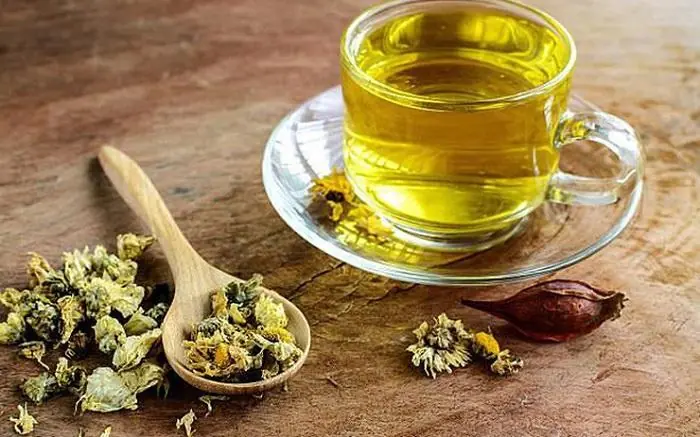
This Traditional Herbal Drink Has Long Been Associated With Supporting Healthy Vision
What Science Says About This Herbal Drink and Its Potential Role in Supporting Healthy Eyes?
Health 30/05/2026 14:46
For generations, herbal remedies have played an important role in traditional medicine systems around the world. Among the many plants that have gained attention for their potential health benefits, Chanca Piedra stands out as one of the most fascinating. Often referred to as the "Stone Breaker" herb, Chanca Piedra has been used for centuries in parts of South America, India, and Southeast Asia for a variety of health purposes, particularly those related to the kidneys, liver, and urinary system.
In recent years, interest in Chanca Piedra tea has grown beyond traditional medicine circles as researchers continue to investigate its active compounds and possible health effects. While scientific studies are still ongoing, the herb remains popular among people seeking natural wellness practices.
Let's explore the history, traditional uses, potential benefits, and preparation of Chanca Piedra tea.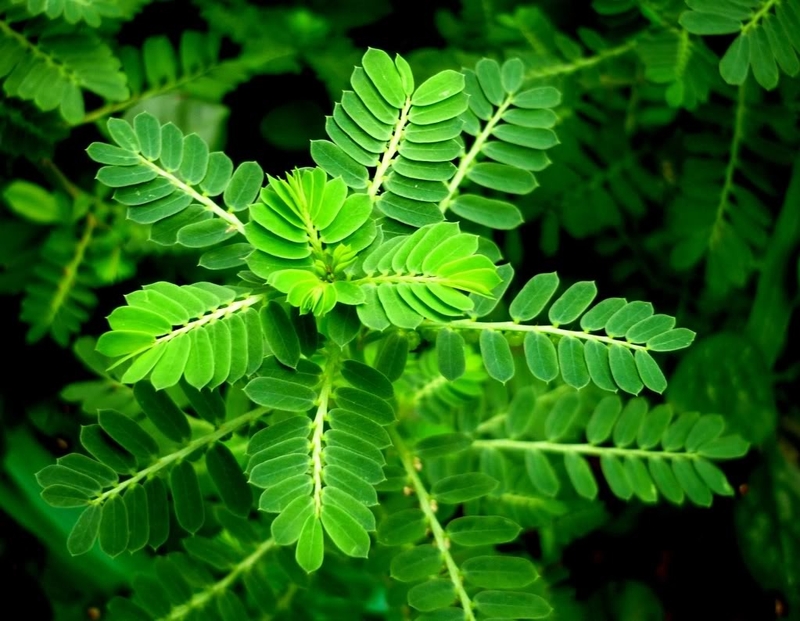
Chanca Piedra (Phyllanthus niruri) is a small tropical plant that grows naturally in:
The name "Chanca Piedra" comes from Spanish and roughly translates to "stone breaker" or "stone crusher."
The nickname originates from the herb's long-standing traditional association with kidney and urinary tract health.
Nearly all parts of the plant can be used, including:
Most commonly, the dried aerial parts are used to prepare herbal teas and extracts.
For centuries, traditional healers have used Chanca Piedra for a wide variety of purposes.
Historically, it has been consumed to support:
Traditional medicine systems often viewed the herb as a natural way to support the body's elimination processes.
While traditional use does not prove medical effectiveness, it has inspired significant scientific interest.
The herb's famous nickname comes from its traditional use in relation to kidney stones.
For generations, people have consumed Chanca Piedra tea hoping to:
Modern researchers have investigated whether compounds in the plant may influence factors involved in kidney stone formation.
Although some studies have produced encouraging results, further human research is needed before definitive conclusions can be made.
Scientists have identified numerous bioactive compounds within the herb, including:
These naturally occurring substances are believed to contribute to the plant's biological activity.
Researchers continue studying how these compounds interact with the body.
One of the most frequently discussed areas of research involves kidney health.
Scientists have investigated whether Chanca Piedra may help:
Some laboratory and animal studies suggest that certain compounds may affect processes related to stone formation.
However, experts emphasize that Chanca Piedra should not be considered a proven treatment for kidney stones.
Individuals with kidney stone symptoms should always seek professional medical care.
Traditional use often links Chanca Piedra with urinary wellness.
Supporters of the herb claim it may help maintain:
Research in this area remains ongoing.
While early findings are promising, larger clinical studies are still needed.
The liver is another area of interest for researchers.
Traditional medicine has long associated the herb with liver support.
Scientists have investigated whether its antioxidant compounds may help protect liver cells from oxidative stress.
Oxidative stress occurs when unstable molecules known as free radicals damage cells.
Antioxidant-rich plants continue to attract significant scientific attention because of their potential role in overall health.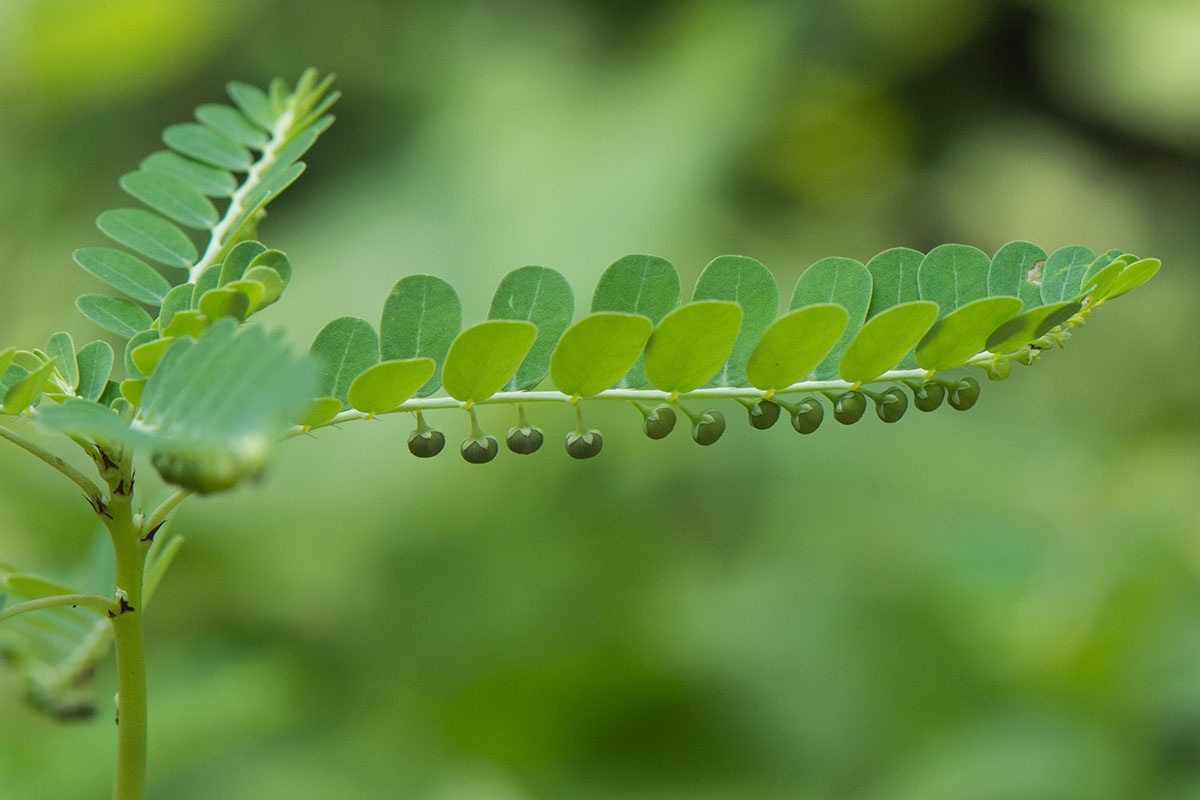
Many of Chanca Piedra's potential health effects are believed to stem from its antioxidant content.
Antioxidants help protect cells from damage caused by:
A diet rich in antioxidant-containing foods and beverages is often associated with overall wellness.
Traditional herbal practitioners have also used Chanca Piedra to support digestive comfort.
Historically, it has been consumed for:
Scientific research into these traditional applications remains limited.
This is perhaps the most common claim associated with the herb.
The answer is more complicated than many advertisements suggest.
Some preliminary research indicates that compounds in Chanca Piedra may influence factors related to crystal formation.
However:
Therefore, the herb should not be viewed as a guaranteed solution for kidney stones.
One reason Chanca Piedra remains popular is its simplicity.
Some people add:
to improve flavor.
Chanca Piedra tea is often described as:
Taste may vary depending on preparation and herb quality.
Although generally considered safe when consumed in moderation, certain individuals should exercise caution.
These may include people who:
Consulting a healthcare professional before using herbal supplements is always advisable.
False.
Scientific evidence does not support the idea that it instantly dissolves stones.
False.
Natural products can still cause side effects or interact with medications.
False.
Serious kidney or urinary symptoms require professional evaluation.
Experts generally recommend:
These evidence-based habits have a much greater impact on long-term kidney health than any single herbal beverage.
Chanca Piedra tea has a long history of traditional use and remains one of the most intriguing herbal beverages studied today. Known as the "Stone Breaker" herb, it has been associated with kidney, urinary, and liver health for centuries. Researchers continue investigating its antioxidant compounds and potential biological effects, particularly in relation to urinary wellness and kidney stone formation.
While early research is promising, Chanca Piedra should be viewed as a traditional herbal beverage rather than a proven medical treatment. As with any herbal remedy, it is best used as part of a healthy lifestyle and in consultation with a healthcare professional when appropriate. For those interested in exploring traditional wellness practices, Chanca Piedra tea offers a fascinating glimpse into the intersection of ancient herbal knowledge and modern scientific research.
What Science Says About This Herbal Drink and Its Potential Role in Supporting Healthy Eyes?
Before You Eat Avocados Every Day, Here's What Experts Want You to Know
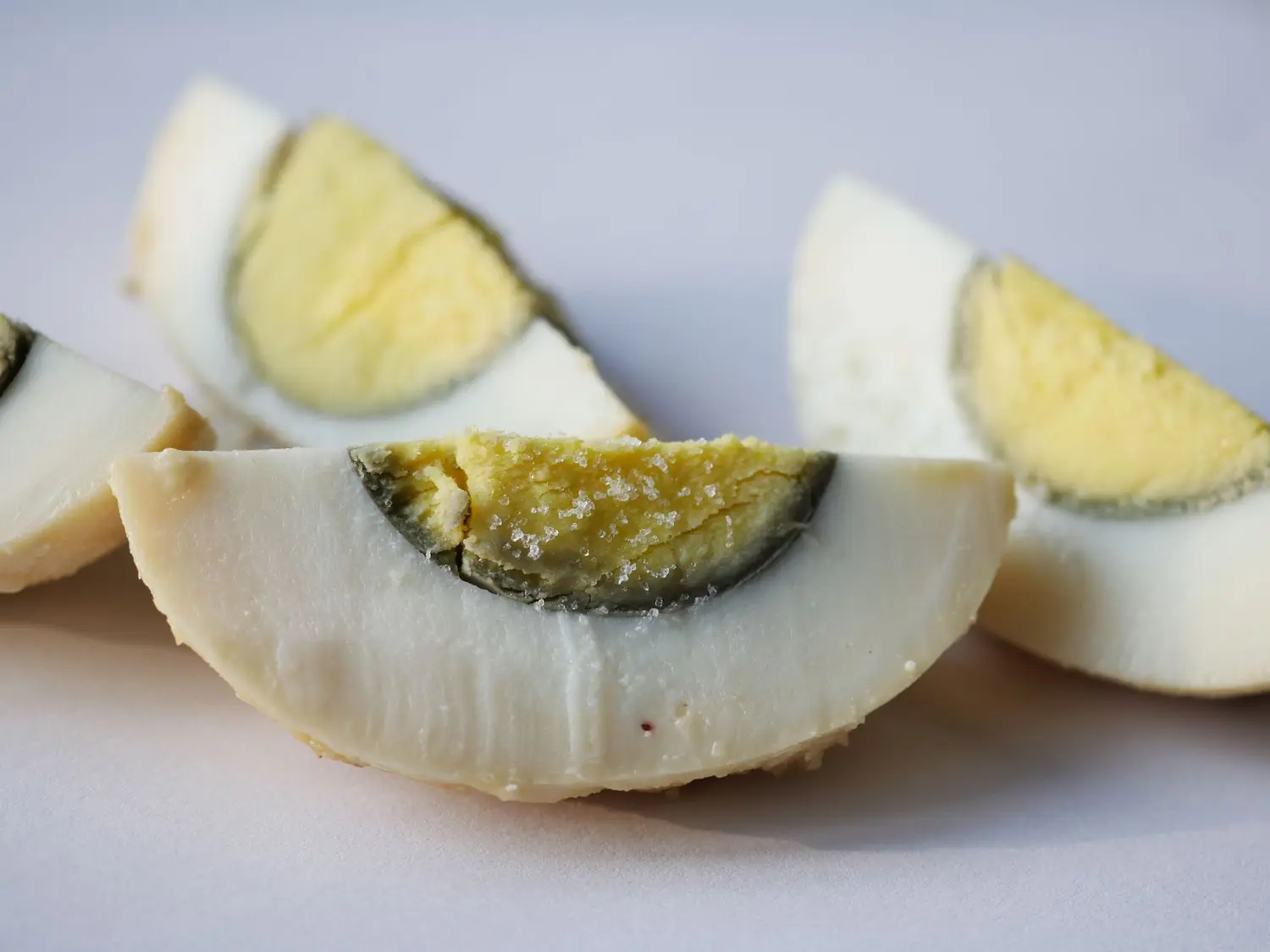
A green ring around the yolk? Here's what happened during cooking — and whether it's safe to eat

Noticing swelling in your legs? It may be more than just fatigue. Here's what your body could be telling you

7 Early Warning Signs That May Appear Before a Heart Attack

Is Coconut Water Good for Your Kidneys? Here's What Current Evidence Suggests

Cervical can.cer often develops silently and is usually detected too late. Don’t ignore these 5 early warning signs 😰

Health Experts Urge People to Pay Attention to Long-Term Eating Habits

Diabetes Can Affect Sleep in Several Ways - Here Are 4 Warning Signs to Watch For

A 59-Year-Old Man's Story Is Prompting New Questions About Nighttime Thirst
Most People Praise Ginger's Benefits, But This Woman's Experience Tells a Different Story

The Heart Often Sends Warning Signals Before Serious Problems Occur 👀

These 10 Symptoms Could Be Early Signs of Diabetes and Shouldn't Be Ignored

What Really Happens to Your Body When You Eat Pork Legs?
What Happens When You Eat Eggs Every Day? Doctors Finally Explain 👇

Millions of People Wake Up at This Exact Time Every Night — Here's Why

The Hidden Meaning Behind Those Lines on Your Nails Might Surprise You
😲 Most People Have No Idea That Timing Can Change the Benefits of Sweet Potatoes — Here's What Experts Say

The Color of Your Stool Can Sometimes Provide Valuable Insights Into Your Health

This Math Challenge Looks Easy, But Most People Get Different Answers
What Science Says About This Herbal Drink and Its Potential Role in Supporting Healthy Eyes?
Before You Eat Avocados Every Day, Here's What Experts Want You to Know

This Homemade Grout-Cleaning Trick May Help Lift Mold Without Heavy Scrubbing
A green ring around the yolk? Here's what happened during cooking — and whether it's safe to eat
Noticing swelling in your legs? It may be more than just fatigue. Here's what your body could be telling you
7 Early Warning Signs That May Appear Before a Heart Attack
Is Coconut Water Good for Your Kidneys? Here's What Current Evidence Suggests
Cervical can.cer often develops silently and is usually detected too late. Don’t ignore these 5 early warning signs 😰
Health Experts Urge People to Pay Attention to Long-Term Eating Habits
Diabetes Can Affect Sleep in Several Ways - Here Are 4 Warning Signs to Watch For
A 59-Year-Old Man's Story Is Prompting New Questions About Nighttime Thirst
Most People Praise Ginger's Benefits, But This Woman's Experience Tells a Different Story
The Heart Often Sends Warning Signals Before Serious Problems Occur 👀
These 10 Symptoms Could Be Early Signs of Diabetes and Shouldn't Be Ignored
What Really Happens to Your Body When You Eat Pork Legs?

7 Common Scents That May Help Keep Snakes Away From Your Home and Garden
What Happens When You Eat Eggs Every Day? Doctors Finally Explain 👇