Stroke is one of the leading causes of disability and death worldwide. Most people are familiar with the classic warning signs, such as sudden weakness on one side of the body or difficulty speaking. However, what many people don't realize is that women may sometimes experience stroke symptoms that are less obvious or different from the symptoms commonly seen in men.
Because some of these signs can appear subtle, unusual, or easy to dismiss, women may delay seeking medical attention. Unfortunately, every minute matters during a stroke. Rapid diagnosis and treatment can significantly improve outcomes and reduce the risk of long-term disability.
Understanding these potential warning signs may help save lives.

What Is a Stroke?
A stroke occurs when blood flow to part of the brain is interrupted.
This can happen because:
- A blood vessel becomes blocked (ischemic stroke)
- A blood vessel ruptures (hemorrhagic stroke)
Without adequate oxygen and nutrients, brain cells begin to die within minutes.
This is why stroke is considered a medical emergency.
Why Stroke Symptoms Can Differ in Women
Researchers have found that women sometimes report symptoms that are not included in the classic stroke warning lists.
Several factors may contribute, including:
- Hormonal influences
- Biological differences
- Age-related factors
- Differences in cardiovascular risk profiles
Women also tend to live longer than men, which may increase overall stroke risk later in life.
1. Sudden Extreme Fatigue
Feeling tired after a long day is normal.
However, some women describe experiencing:
- Sudden overwhelming exhaustion
- Extreme weakness
- Unusual fatigue that appears abruptly
This fatigue may develop without any obvious explanation.
While fatigue has many possible causes, sudden and severe exhaustion occurring alongside other neurological symptoms should not be ignored.
2. Unexplained Nausea or Vomiting
Many people associate nausea with digestive problems.
However, some women experience:
- Sudden nausea
- Vomiting
- Stomach discomfort
during a stroke.
Because these symptoms can resemble food poisoning or a viral illness, they may sometimes be overlooked.
3. Shortness of Breath
Difficulty breathing can occur for many reasons.
In some cases, women experiencing a stroke report:
- Unexpected shortness of breath
- Difficulty taking deep breaths
- Feeling unable to catch their breath
When accompanied by neurological symptoms, breathing difficulties warrant immediate medical attention.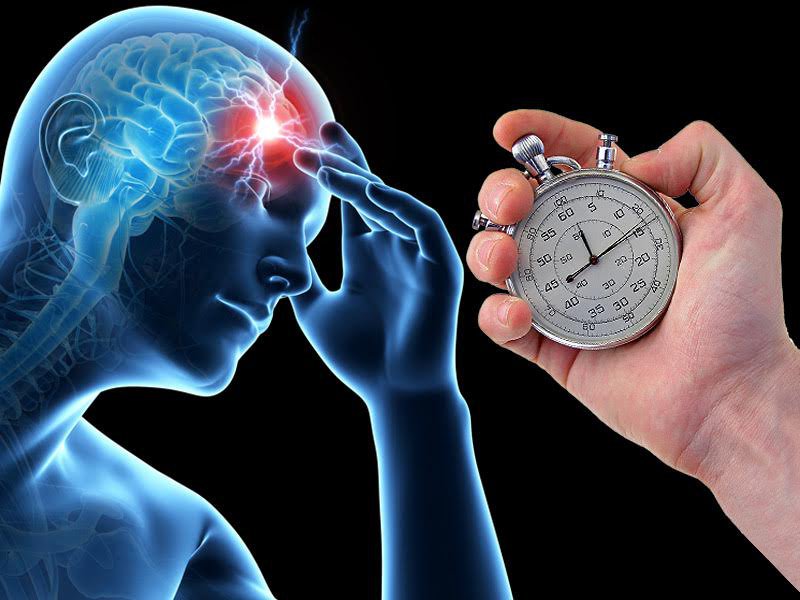
4. Sudden Confusion or Disorientation
Confusion is one of the most important warning signs of stroke.
Possible symptoms include:
- Difficulty understanding conversations
- Trouble following instructions
- Sudden forgetfulness
- Disorientation
Family members are often the first to notice these changes.
Any sudden alteration in mental status should be treated seriously.
5. Loss of Balance or Dizziness
Women may experience:
- Sudden dizziness
- Loss of coordination
- Difficulty walking
- Problems maintaining balance
These symptoms can sometimes be mistaken for:
- Inner ear disorders
- Low blood pressure
- Dehydration
However, when dizziness appears suddenly and severely, stroke should be considered.
6. Severe Headache Without a Known Cause
A sudden intense headache may occasionally be associated with stroke, particularly hemorrhagic stroke.
Warning characteristics may include:
- Sudden onset
- Extreme intensity
- Unusual severity
- Accompanying neurological symptoms
Many people describe it as the worst headache they have ever experienced.
Immediate medical evaluation is essential.
7. Facial Drooping, Arm Weakness, or Speech Problems
Although some symptoms may differ in women, the classic stroke signs remain critically important.
Watch for:
Facial Drooping
One side of the face appears uneven.
Arm Weakness
Difficulty lifting one arm or weakness on one side.
Speech Difficulties
Slurred speech or trouble speaking clearly.
These symptoms require immediate emergency care.
Remember the FAST Method
Healthcare organizations often teach the FAST acronym:
F — Face
Ask the person to smile.
A — Arms
Ask them to raise both arms.
S — Speech
Listen for slurred or unusual speech.
T — Time
Call emergency services immediately.
FAST remains one of the most effective tools for recognizing stroke symptoms quickly.

Risk Factors for Stroke in Women
Several factors may increase stroke risk.
These include:
- High blood pressure
- Diabetes
- High cholesterol
- Smoking
- Obesity
- Physical inactivity
- Family history
Certain factors are particularly relevant to women, including:
- Pregnancy complications
- Preeclampsia
- Hormonal therapies
- Menopause-related changes
Why Immediate Treatment Matters
During a stroke, millions of brain cells can be affected every minute.
Prompt treatment may:
- Restore blood flow
- Limit brain damage
- Improve recovery
- Reduce disability
Delaying care can significantly worsen outcomes.
Common Stroke Myths
Myth: Stroke Only Happens to Older Adults
False.
Although risk increases with age, strokes can occur in younger adults as well.
Myth: Symptoms Must Be Severe
False.
Some strokes begin with subtle symptoms.
Myth: Symptoms That Go Away Are Harmless
False.
Temporary symptoms may indicate a transient ischemic attack (TIA), sometimes called a "mini-stroke," which requires urgent medical evaluation.
How to Help Reduce Stroke Risk
Experts commonly recommend:
- Managing blood pressure
- Controlling diabetes
- Exercising regularly
- Maintaining a healthy weight
- Avoiding tobacco
- Limiting excessive alcohol consumption
- Following medical advice
Healthy lifestyle habits can significantly reduce stroke risk over time.
When to Seek Emergency Care
Call emergency services immediately if you or someone else experiences:
- Sudden weakness
- Facial drooping
- Speech difficulties
- Severe headache
- Sudden confusion
- Vision changes
- Loss of balance
Do not wait to see if symptoms improve.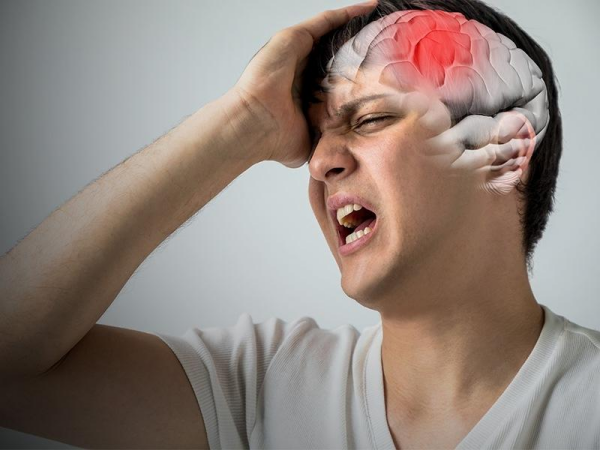
Final Thoughts
Stroke symptoms in women can sometimes differ from the classic warning signs many people recognize. In addition to facial drooping, arm weakness, and speech difficulties, women may experience symptoms such as sudden fatigue, nausea, shortness of breath, confusion, dizziness, or severe headaches.
Because these symptoms can appear unexpectedly and may be mistaken for less serious conditions, awareness is crucial. Recognizing the warning signs and seeking immediate medical attention can make a life-changing difference. When it comes to stroke, acting quickly can save brain function, improve recovery, and potentially save a life.