Finding a snake inside your home can be an unsettling experience. One moment, everything seems normal; the next, you notice something moving near the doorway, hiding behind a pile of belongings, or slipping into a quiet corner of the garden-facing room. Your first reaction may be fear, surprise, or confusion. But once the initial shock passes, another question often comes to mind: What does it mean when a snake shows up in your house?
Some people associate snakes with good luck, transformation, wisdom, or spiritual warnings. Others immediately worry about danger, hidden problems, or the possibility that more snakes may be nearby. In reality, a snake entering a house usually has a practical explanation connected to its search for food, shelter, water, or a suitable place to escape unfavorable weather.
Understanding these reasons can help you respond calmly and make your home safer. Rather than assuming that a snake's appearance predicts something good or bad, it is more useful to consider what attracted the animal, how it might have entered, and what steps you should take next.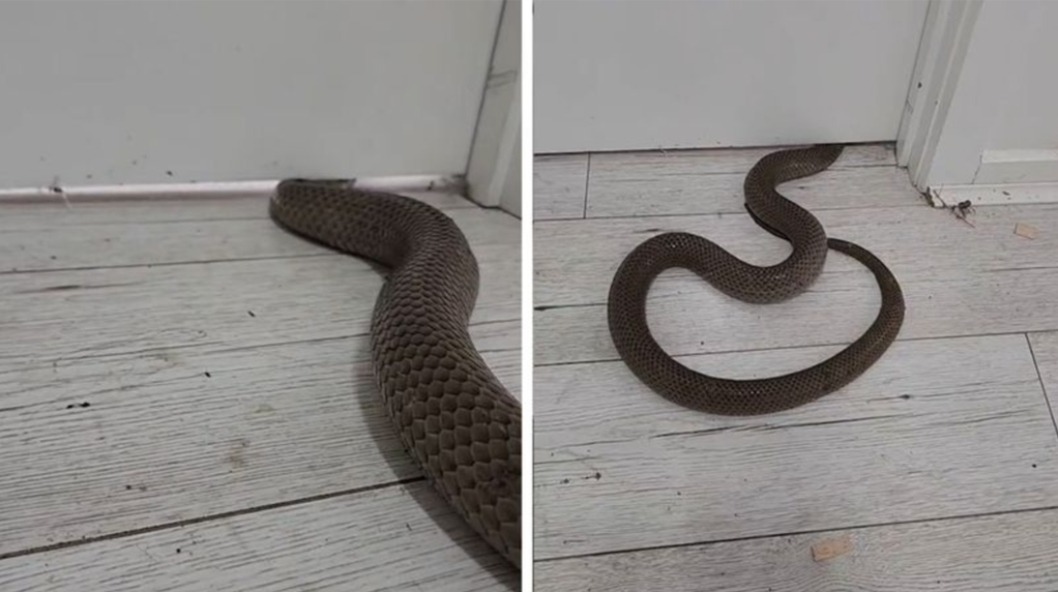
1. The Most Important Meaning: Your Home May Offer Something the Snake Needs
Snakes do not generally enter houses to frighten people or deliver a message. Like other wild animals, they respond to their surroundings and search for the conditions they need to survive.
Depending on the species and local environment, a house may provide access to food, shelter, water, warmth, or cooler conditions during hot weather.
A snake might enter through an open door, a gap beneath a gate, an opening around pipes, a damaged vent, or another small access point. Some snakes can also enter garages, storage rooms, and other spaces that connect directly to the outdoors.
This does not necessarily mean your home is dirty or poorly maintained. Even a clean house can attract wildlife if it is close to a garden, field, wooded area, stream, or other natural habitat.
The important question is not why the snake chose your house in a symbolic sense, but what environmental conditions made the property accessible or attractive.
Could there be more than one snake?
Seeing one snake does not automatically mean that others are hiding nearby. Many snakes are solitary, and a single animal may simply have entered by accident while moving through the area.
However, repeated sightings may indicate that your property offers suitable shelter or that prey animals are abundant nearby. If snakes repeatedly appear around the same entrance, shed, or garden area, inspect the surroundings from a safe distance and consider contacting a qualified local wildlife professional.
2. Food May Be the Reason a Snake Enters Your House
One of the most common reasons snakes visit residential properties is the availability of prey.
Depending on the species, snakes may feed on mice, rats, small birds, frogs, lizards, insects, or other animals. If rodents are living around a house, a snake that feeds on them may occasionally follow their activity into a garage, shed, or building.
This is particularly relevant in homes near farms, gardens, fields, and areas where food or animal feed is stored.
What attracts rodents?
Several conditions can encourage rodents to live close to a house:
-
Food scraps left outdoors.
-
Unsealed containers of pet food or animal feed.
-
Accessible garbage bins.
-
Fallen fruit beneath trees.
-
Cluttered storage areas that provide hiding places.
-
Gaps around doors, foundations, or utility pipes.
These conditions do not guarantee that snakes will appear, but they may make the surrounding area more attractive to prey animals and, indirectly, to predators.
If you discover a snake and suspect rodents are present, focus on addressing the underlying conditions. Store food in sealed containers, secure rubbish, clean up fallen fruit, and seal suitable entry points.
Avoid using poison indiscriminately. Rodenticides can harm pets and wildlife, and poisoned rodents may expose predators to secondary poisoning.
Reducing the availability of prey can make your property less attractive to some snakes without harming the animals themselves.
3. A Snake May Be Looking for Shelter
Snakes are ectothermic, meaning their body temperature depends largely on external conditions. They move between warmer and cooler environments to regulate their temperature.
For this reason, a snake may seek shelter in a building when outdoor conditions are uncomfortable or when a quiet hiding place is available.