Most people associate persistent fatigue with stress, poor sleep, aging, or a busy lifestyle. While these are certainly common causes of tiredness, there are times when ongoing exhaustion may be linked to something happening deeper inside the body.
One condition that often develops quietly is chronic kidney disease (CKD). Because the kidneys can gradually lose function over many years without causing obvious symptoms, early warning signs are frequently overlooked or mistaken for everyday fatigue.
It's important to remember that experiencing these symptoms does not automatically mean you have kidney disease. Many health conditions can cause similar signs. However, understanding the body's potential warning signals may encourage earlier medical evaluation and treatment when necessary.
Why Kidney Health Matters
The kidneys are among the body's most important organs.
These fist-sized organs perform several essential functions, including:
- Filtering waste from the blood
- Removing excess fluids
- Balancing minerals and electrolytes
- Helping regulate blood pressure
- Supporting red blood cell production
- Maintaining overall fluid balance
When kidney function begins to decline, waste products and fluids can accumulate in the body, potentially leading to a variety of symptoms.
The challenge is that these symptoms are often subtle at first.

1. Persistent Fatigue and Low Energy
One of the earliest and most commonly reported symptoms of declining kidney function is ongoing fatigue.
Many people describe:
- Feeling tired all the time
- Lack of energy
- Difficulty concentrating
- Reduced motivation
- Feeling exhausted even after sleeping
Why It Happens
Healthy kidneys help produce a hormone called erythropoietin, which supports the production of red blood cells.
When kidney function declines, red blood cell production may decrease, leading to anemia.
Anemia reduces oxygen delivery throughout the body, often causing:
- Weakness
- Fatigue
- Shortness of breath
- Difficulty focusing
Because fatigue is such a common symptom, many people simply attribute it to a busy lifestyle.
2. Changes in Urination
The kidneys play a direct role in urine production.
Changes in urinary habits can sometimes be an early clue that kidney function is being affected.
Possible signs include:
- Urinating more frequently
- Urinating less frequently
- Waking frequently during the night to urinate
- Foamy urine
- Dark-colored urine
- Blood in the urine
Not every urinary change indicates kidney disease, but persistent changes should be discussed with a healthcare professional.
3. Swelling in the Feet, Ankles, or Legs
Healthy kidneys help regulate fluid balance.
When kidney function declines, excess fluid may accumulate in the body.
This can result in:
- Swollen ankles
- Swollen feet
- Puffiness in the lower legs
- Fluid retention
Many individuals initially assume swelling is simply due to standing too long or aging.
However, persistent or worsening swelling deserves medical attention.
Why It Happens
Declining kidney function may reduce the body's ability to eliminate excess sodium and fluids efficiently.
As fluid accumulates, swelling can develop in various areas of the body.
4. Difficulty Concentrating or Mental Fog
Many people experiencing kidney problems report symptoms such as:
- Brain fog
- Difficulty concentrating
- Memory problems
- Reduced mental clarity
These symptoms can be frustrating because they are often subtle.
Possible Reasons
Several factors may contribute, including:
- Anemia
- Waste buildup in the bloodstream
- Sleep disturbances
- General fatigue
When the brain receives less oxygen due to anemia, concentration may become more difficult.
5. Dry, Itchy Skin
Skin changes are sometimes overlooked as a sign of kidney problems.
People may notice:
- Persistent itching
- Dry skin
- Increased skin irritation
Why It May Occur
Healthy kidneys help maintain the balance of minerals and nutrients in the body.
When kidney function becomes impaired, imbalances may develop that affect the skin.
Although dry skin is common and can result from many causes, persistent symptoms combined with other warning signs should not be ignored.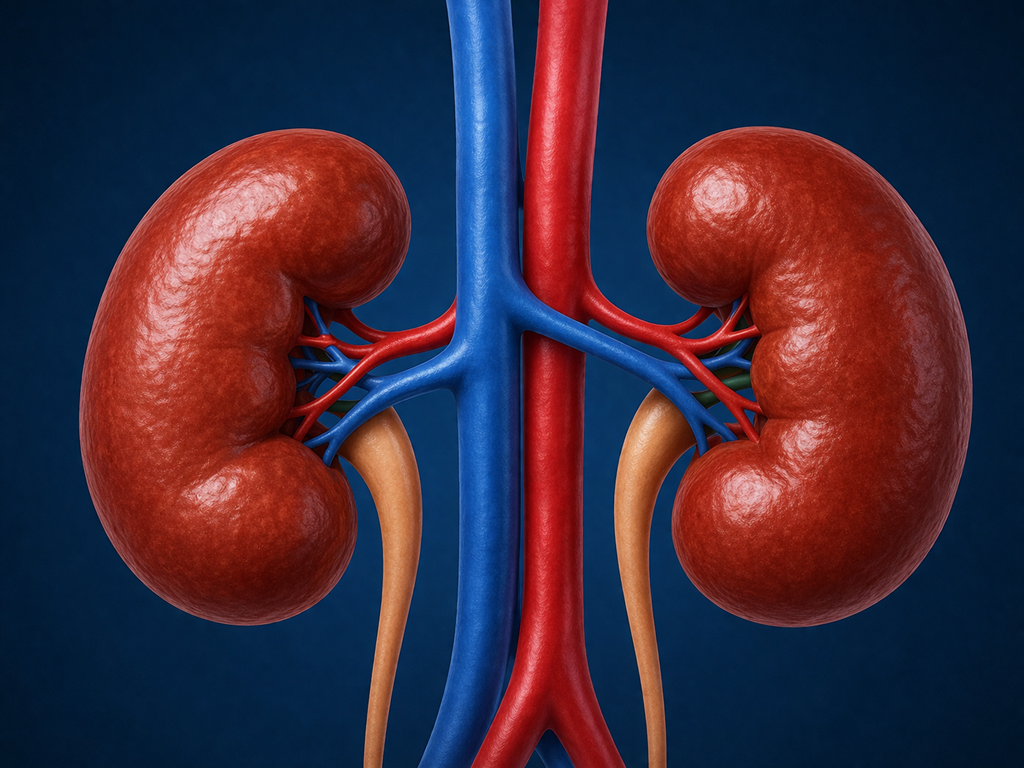
Other Possible Symptoms of Kidney Disease
As kidney disease progresses, additional symptoms may develop, including:
- Loss of appetite
- Nausea
- Muscle cramps
- Trouble sleeping
- Shortness of breath
- Unexplained weight changes
Many of these symptoms are nonspecific, which is one reason kidney disease is often called a "silent" condition.
Who Is at Higher Risk?
Certain individuals face a higher risk of kidney disease.
Risk factors include:
Diabetes
One of the leading causes of kidney disease worldwide.
High Blood Pressure
Can gradually damage blood vessels within the kidneys.
Family History
Genetics may influence risk.
Heart Disease
Cardiovascular health and kidney health are closely connected.
Older Age
Risk generally increases with age.
Smoking
May contribute to blood vessel damage and kidney dysfunction.
Why Early Detection Is Important
The earlier kidney problems are identified, the more options may be available to slow progression.
Early detection may help:
- Preserve kidney function
- Reduce complications
- Improve quality of life
- Lower cardiovascular risk
Many people discover kidney disease through routine blood or urine testing before symptoms become severe.
Common Tests Used to Evaluate Kidney Health
Healthcare providers may use:
Blood Tests
To measure kidney function markers such as creatinine.
Urine Tests
To check for protein, blood, or other abnormalities.
Blood Pressure Measurements
High blood pressure can both cause and result from kidney disease.
Imaging Studies
In certain situations, ultrasound or other imaging may be recommended.
Protecting Your Kidney Health
Experts commonly recommend:
- Staying hydrated
- Managing blood pressure
- Controlling blood sugar
- Maintaining a healthy weight
- Exercising regularly
- Avoiding tobacco
- Limiting excessive sodium intake
- Attending routine medical checkups
These habits support not only kidney health but overall well-being.
Common Myths About Kidney Disease
Myth: Kidney Disease Always Causes Pain
False.
Many people experience no pain during the early stages.
Myth: Normal Urination Means Healthy Kidneys
False.
Kidney disease can develop even when urination appears normal.
Myth: Only Older Adults Develop Kidney Problems
False.
Kidney disease can affect adults of all ages.
When Should You See a Doctor?
Consider discussing symptoms with a healthcare provider if you experience:
- Persistent fatigue
- Unexplained swelling
- Changes in urination
- Brain fog
- Ongoing skin itching
Simple laboratory tests can often provide valuable information about kidney health.
Final Thoughts
Feeling constantly tired does not necessarily mean you have kidney disease, but persistent fatigue should not always be dismissed as a normal part of life. Along with changes in urination, swelling, mental fog, and dry itchy skin, ongoing exhaustion may sometimes be one of the body's early warning signs that kidney function is declining.
Because kidney disease often develops quietly, paying attention to these symptoms and seeking medical evaluation when concerns arise can play an important role in protecting long-term health. Early detection remains one of the most effective tools for managing kidney disease and preserving kidney function for years to come.