For many years, daily showers have been considered a standard part of personal hygiene. However, dermatologists and aging experts increasingly point out that what works for younger skin may not always be ideal for older adults. In fact, after the age of 65, bathing less frequently may actually help maintain healthier skin in some individuals.
This does not mean hygiene becomes less important with age. Rather, it reflects the natural changes that occur in the skin and the need to adapt personal care habits accordingly.
As we grow older, our skin becomes thinner, drier, and more delicate. Excessive bathing, especially with hot water and harsh soaps, can sometimes strip away natural oils that help protect the skin. Understanding these age-related changes can help older adults maintain both cleanliness and skin health.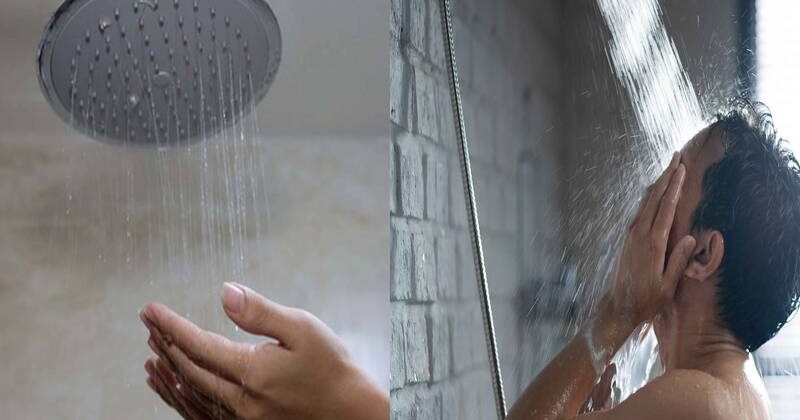
How Skin Changes After Age 65
The skin undergoes several natural changes as we age.
These changes may include:
- Reduced oil production
- Thinner skin layers
- Decreased elasticity
- Slower skin repair
- Increased dryness
- Greater sensitivity
One of the most significant changes is the reduction in sebum, the natural oil produced by the skin.
Sebum helps:
- Lock in moisture
- Protect against irritation
- Maintain the skin barrier
When oil production decreases, the skin becomes more vulnerable to dryness and irritation.
Why Daily Bathing May Not Always Be Necessary
Many people assume that showering every day is required for good health.
However, for many older adults, daily bathing may not provide additional benefits and can sometimes contribute to skin problems.
Frequent bathing may:
- Remove natural protective oils
- Increase skin dryness
- Worsen itching
- Irritate sensitive skin
- Contribute to cracking or flaking
This is particularly true when baths or showers are:
- Very hot
- Prolonged
- Combined with strong soaps
Dermatologists often emphasize that cleanliness and skin health are not always achieved by washing more frequently.
The Skin Barrier: Your Body's Natural Protection
The outermost layer of skin serves as a protective barrier.
This barrier helps:
- Retain moisture
- Block irritants
- Reduce bacterial penetration
- Protect against environmental damage
Excessive washing can temporarily disrupt this protective layer.
For older adults whose skin barrier is already more fragile, preserving this protection becomes increasingly important.
How Often Should Older Adults Bathe?
There is no universal bathing schedule that works for everyone.
Needs vary depending on:
- Activity level
- Climate
- Health conditions
- Personal comfort
- Living environment
Many dermatology experts suggest that some older adults may do well with:
- Full-body bathing two to three times per week
- Additional cleaning of specific areas as needed
This approach can help maintain hygiene while reducing unnecessary skin dryness.
Areas That May Need Daily Cleaning
Even when full showers are less frequent, certain areas generally benefit from regular cleansing.
These include:
- Underarms
- Groin area
- Feet
- Face
- Skin folds
Gentle cleaning of these regions can help maintain comfort and hygiene.
The Importance of Water Temperature
Hot water often feels relaxing, but it may not be the best choice for aging skin.
Very hot water can:
- Remove natural oils more quickly
- Increase dryness
- Trigger itching
- Irritate sensitive skin
Many experts recommend:
- Warm water instead of hot water
- Shorter shower times
- Gentle drying afterward
These practices may help preserve the skin's natural moisture.
Choosing the Right Soap
Not all soaps are created equal.
Some products contain strong detergents that can strip moisture from the skin.
Older adults may benefit from:
- Fragrance-free cleansers
- Gentle moisturizing soaps
- Products designed for sensitive skin
In many cases, soap is most important for areas prone to odor and sweat.
Using large amounts of soap across the entire body every day may not be necessary for everyone.
Moisturizing Becomes More Important With Age
One of the best ways to support aging skin is regular moisturizing.
Moisturizers help:
- Reduce dryness
- Improve comfort
- Support the skin barrier
- Decrease itching
Many dermatologists recommend applying moisturizer shortly after bathing while the skin is still slightly damp.
This helps lock moisture into the skin.
Signs Your Skin May Be Too Dry
Common symptoms of dry skin include:
- Flaking
- Cracking
- Rough texture
- Persistent itching
- Redness
- Tightness
If these symptoms develop or worsen, bathing habits may be worth discussing with a healthcare professional.
Benefits of Proper Skin Care in Older Adults
Maintaining healthy skin can help reduce the risk of:
- Skin infections
- Irritation
- Discomfort
- Sleep disturbances from itching
- Skin tears
Healthy skin also contributes to overall quality of life and comfort.
Common Myths About Bathing After 65
Myth: Older Adults Must Shower Every Day
False.
Many healthy older adults can maintain good hygiene without daily full-body bathing.
Myth: More Soap Means Better Hygiene
False.
Excessive soap use may increase dryness and irritation.
Myth: Dry Skin Is Just a Normal Part of Aging
Partly true.
Dryness becomes more common with age, but proper skin care can often improve symptoms.
Myth: Bathing Less Means Poor Hygiene
False.
Hygiene depends on overall cleanliness practices, not simply the number of showers taken.
When More Frequent Bathing May Be Necessary
Certain situations may require more frequent bathing.
Examples include:
- Heavy physical activity
- Hot weather
- Excessive sweating
- Certain medical conditions
- Occupational exposures
Personal needs should always be considered.
There is no single schedule appropriate for everyone.
Additional Tips for Healthy Aging Skin
Experts commonly recommend:
- Drinking adequate fluids
- Using humidifiers during dry seasons
- Wearing protective clothing
- Applying sunscreen outdoors
- Avoiding overly harsh skincare products
These habits may help maintain skin health throughout the aging process.
Final Thoughts
As we age, our skin changes significantly, becoming thinner, drier, and more sensitive. For many adults over 65, daily showers may not always be necessary and, in some cases, may contribute to skin dryness and irritation. A balanced approach that includes gentle cleansing, appropriate bathing frequency, warm rather than hot water, and regular moisturizing can help support both hygiene and skin health.
The goal is not to bathe less simply for the sake of bathing less, but to adopt a routine that respects the changing needs of aging skin. By understanding these changes and adjusting habits accordingly, older adults can remain clean, comfortable, and better protect one of the body's most important organs the skin.