Hives, also known as urticaria, are itchy, raised welts that can appear suddenly on the skin and disappear just as quickly. For some people, hives occur only once and are easily linked to a specific trigger. For others, however, the condition keeps coming back without any obvious explanation.
Recurring hives can be frustrating, uncomfortable, and sometimes even alarming. Many people assume that food allergies are always to blame, but the reality is far more complex. In fact, a wide variety of hidden factors may contribute to repeated outbreaks.
Understanding these potential triggers can help individuals identify patterns, reduce flare-ups, and know when professional medical evaluation may be necessary.
What Are Hives?
Hives are raised, itchy areas of skin that often appear:
- Red or pink
- Round or irregular in shape
- Variable in size
- Suddenly and without warning
They may occur anywhere on the body and often change location within hours.
Some people experience:
- Mild itching
- Intense itching
- Burning sensations
- Swelling beneath the skin
Individual episodes may last a few hours or several days.
Why Do Hives Occur?
Hives develop when certain cells in the skin release histamine and other inflammatory chemicals.
This release causes:
- Swelling
- Redness
- Itching
- Skin irritation
The challenge is determining what triggered the histamine release in the first place.
Sometimes the cause is obvious.
Other times it remains difficult to identify.

1. Stress and Emotional Tension
One of the most overlooked triggers for recurring hives is stress.
While stress does not directly cause all cases of hives, it may influence the immune system and contribute to flare-ups in some individuals.
Periods of:
- Anxiety
- Emotional distress
- Sleep deprivation
- Major life changes
have been associated with worsening symptoms.
Many people notice outbreaks during particularly stressful periods of life.
How Stress Affects the Skin
Stress can influence:
- Inflammatory responses
- Hormone levels
- Immune function
These changes may increase susceptibility to skin reactions.
2. Infections
Surprisingly, infections are a common trigger.
Examples include:
- Viral infections
- Respiratory infections
- Sinus infections
- Urinary tract infections
In some cases, hives may appear during an illness or shortly afterward.
Even mild infections may stimulate immune responses that contribute to outbreaks.
Children and Viral Infections
Among children, viral infections are considered one of the most common causes of temporary hives.
3. Temperature Changes
Some individuals experience hives triggered by physical conditions rather than allergens.
Temperature-related triggers may include:
Cold Exposure
Cold weather, cold water, or ice packs can sometimes trigger symptoms.
Heat Exposure
Hot showers, exercise, and warm environments may also provoke outbreaks.
Sudden Temperature Shifts
Rapid changes between hot and cold environments occasionally trigger skin reactions.
4. Pressure on the Skin
For certain people, simple pressure on the skin can lead to hives.
Possible triggers include:
- Tight clothing
- Backpack straps
- Waistbands
- Sitting for long periods
This condition is sometimes referred to as pressure urticaria.
Symptoms may not appear immediately and can develop several hours after the pressure occurs.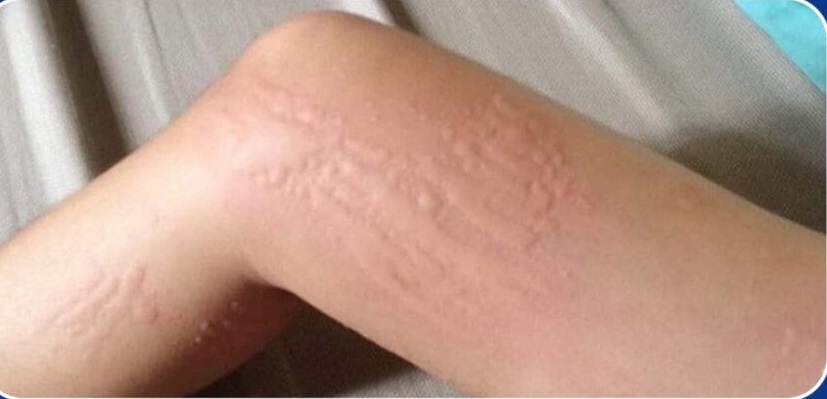
5. Certain Medications
Some medications are known to trigger hives in susceptible individuals.
Examples may include:
- Antibiotics
- Nonsteroidal anti-inflammatory drugs (NSAIDs)
- Aspirin
- Certain blood pressure medications
Anyone who develops hives after starting a new medication should consult a healthcare provider.
6. Food Triggers
Food allergies remain one of the most recognized causes of hives.
Potential triggers may include:
- Shellfish
- Peanuts
- Tree nuts
- Eggs
- Milk
- Fish
However, food is not responsible for all recurring cases.
Many people spend years eliminating foods without discovering a connection.
This is one reason professional evaluation may be valuable.
7. Food Additives and Preservatives
Some individuals react not to the food itself but to additives within processed foods.
Potential culprits include:
- Artificial colorings
- Preservatives
- Flavor enhancers
Research continues in this area, and sensitivity varies significantly between individuals.
8. Exercise-Induced Hives
Physical activity can occasionally trigger hives.
This may occur:
- During exercise
- Shortly after workouts
- In combination with certain foods
The exact mechanisms remain under investigation.
For most people, exercise remains safe and beneficial, but recurring symptoms should be discussed with a healthcare provider.
9. Chronic Autoimmune Conditions
In some cases, recurring hives may be associated with autoimmune processes.
Autoimmune conditions occur when the immune system mistakenly attacks healthy tissues.
Researchers have found links between chronic hives and certain autoimmune disorders.
However, this does not mean everyone with recurring hives has an autoimmune disease.
Medical evaluation is necessary to determine individual causes.
10. Unknown Causes
One of the most frustrating realities is that many cases of chronic hives have no clearly identifiable trigger.
Doctors sometimes refer to these cases as:
Chronic spontaneous urticaria
In these situations, symptoms occur without an obvious external cause.
Despite the uncertainty, effective treatment options are often available.
When Should You Seek Medical Attention?
Medical evaluation is important if:
- Hives recur frequently
- Symptoms persist for weeks
- Swelling affects the lips or face
- Breathing difficulties occur
- The cause remains unclear
Emergency care should be sought immediately if hives are accompanied by:
- Difficulty breathing
- Throat swelling
- Severe dizziness
- Fainting
These symptoms may indicate a serious allergic reaction.
Common Myths About Hives
Myth: Hives Are Always Caused by Food Allergies
False.
Many cases involve non-food triggers.
Myth: Hives Are Contagious
False.
Hives cannot be spread from person to person.
Myth: If Hives Disappear Quickly, They Are Not Serious
False.
Recurring symptoms may still warrant medical evaluation.
Myth: Every Trigger Can Be Easily Identified
False.
Some cases remain unexplained despite extensive testing.
Tips for Managing Recurring Hives
Individuals may benefit from:
- Keeping a symptom diary
- Tracking foods and activities
- Managing stress
- Getting adequate sleep
- Following medical advice
- Avoiding known triggers
A detailed record can sometimes reveal patterns that are not immediately obvious.

Final Thoughts
Recurring hives can be challenging because their triggers are not always obvious. While allergies often receive the most attention, many other factors—including stress, infections, temperature changes, pressure on the skin, medications, exercise, and even autoimmune processes—may contribute to repeated outbreaks.
The good news is that understanding these potential triggers can help individuals work with healthcare professionals to identify patterns and develop effective management strategies. If hives become frequent, persistent, or severe, seeking medical advice is the best step toward finding answers and improving quality of life.