Cancer is one of the leading health concerns worldwide, affecting millions of people each year. While many types of cancer can be difficult to detect in their earliest stages, the body sometimes provides warning signs long before a diagnosis is made.
The challenge is that many early symptoms are often subtle and can easily be mistaken for common, less serious conditions. Having one or more of these symptoms does not necessarily mean a person has cancer. In fact, most symptoms listed below have many possible causes. However, persistent, unexplained changes in the body should never be ignored.
Understanding potential warning signs can help people seek medical evaluation sooner, and early detection often improves treatment options and outcomes.
Why Early Detection Is Important
Many cancers are easier to treat when discovered early.
Early diagnosis may help:
- Improve survival rates
- Increase treatment options
- Reduce complications
- Improve quality of life
This is why paying attention to unusual changes in the body is so important.
1. Unexplained Weight Loss
Losing weight without trying can sometimes be an early warning sign.
While weight fluctuations are common, losing a significant amount of weight without changes in diet or exercise may warrant medical attention.
Several cancers have been associated with unexpected weight loss, particularly those affecting digestion.
2. Persistent Fatigue
Everyone feels tired occasionally.
However, fatigue that:
- Persists for weeks
- Does not improve with rest
- Interferes with daily activities
may deserve further evaluation.
Cancer-related fatigue is often described as overwhelming and disproportionate to activity levels.
3. Persistent Fever
Frequent or unexplained fevers can sometimes occur when the body's immune system responds to disease.
Although infections are a far more common cause, recurring fevers should be discussed with a healthcare provider.
4. Night Sweats
Severe night sweats that soak clothing or bedding may occasionally be associated with underlying medical conditions, including certain cancers.
They may also result from hormonal changes, infections, or medications.
5. Swollen Lymph Nodes
Lymph nodes help the body fight infection.
Enlarged lymph nodes may appear in:
- The neck
- Armpits
- Groin
While infections commonly cause swelling, persistent enlargement should be evaluated.
6. Persistent Cough
A cough that lasts several weeks should not be ignored.
Particularly concerning symptoms include:
- Coughing up blood
- Chest pain
- Shortness of breath
Many respiratory conditions cause chronic coughs, but persistent symptoms require evaluation.
7. Hoarseness or Voice Changes
Changes in the voice lasting longer than a few weeks may sometimes signal problems involving the throat, vocal cords, or surrounding structures.
8. Difficulty Swallowing
Persistent trouble swallowing may be associated with various conditions affecting the throat or digestive tract.
9. Changes in Bowel Habits
Noticeable and persistent changes in bowel function deserve attention.
Examples include:
- Ongoing diarrhea
- Persistent constipation
- Narrow stools
- Changes in stool frequency
10. Blood in the Stool
Visible blood or black, tar-like stools should always be evaluated by a healthcare professional.
11. Blood in the Urine
Urine that appears pink, red, or brown may indicate several possible conditions.
While infections and kidney stones are common causes, medical evaluation is important.
12. Frequent Urination Changes
Persistent urinary symptoms may include:
- Increased frequency
- Difficulty urinating
- Pain during urination
These symptoms may have many causes but should not be ignored.
13. Persistent Abdominal Pain
Abdominal discomfort that continues for weeks without a clear explanation warrants medical attention.
Particularly concerning symptoms include:
- Persistent bloating
- Ongoing pain
- Feeling full quickly
14. Unusual Bleeding
Unexpected bleeding should always be investigated.
Examples include:
- Vaginal bleeding between periods
- Bleeding after menopause
- Persistent nosebleeds
- Unexplained bruising
15. Skin Changes
The skin may sometimes provide important clues about overall health.
Warning signs include:
- New moles
- Changing moles
- Non-healing sores
- Persistent skin lesions
16. A Lump or Thickening
One of the most well-known warning signs is the appearance of a new lump.
Lumps can occur in:
- The breast
- Neck
- Testicles
- Armpits
- Other areas
Not all lumps are cancerous, but persistent growths should be evaluated.
17. Persistent Pain
Pain can have many causes.
However, ongoing unexplained pain that persists despite treatment should be discussed with a healthcare provider.
18. Mouth Sores That Do Not Heal
Sores inside the mouth that remain for several weeks should not be ignored, particularly among individuals who use tobacco products.
19. Changes in Breast Appearance
Potential warning signs may include:
- Skin dimpling
- Nipple changes
- Persistent swelling
- New lumps
Regular breast awareness helps individuals recognize unusual changes.
20. Persistent Bloating
While occasional bloating is common, persistent or worsening bloating may require medical evaluation, especially when accompanied by other symptoms.
Important Things to Remember
Most Symptoms Have Non-Cancerous Causes
This is perhaps the most important point.
The symptoms listed above are often caused by:
- Infections
- Inflammation
- Hormonal changes
- Digestive disorders
- Stress
- Benign growths
Experiencing a symptom does not mean cancer is present.
Persistence Matters
Doctors are often more concerned when symptoms:
- Persist for weeks
- Continue worsening
- Have no obvious explanation
- Occur alongside multiple symptoms
Risk Factors for Cancer
Certain factors may increase cancer risk:
- Smoking
- Excessive alcohol consumption
- Obesity
- Physical inactivity
- Family history
- Excessive sun exposure
- Certain infections
- Aging
While some risk factors cannot be changed, healthy lifestyle habits can help reduce risk.
How to Reduce Your Risk
Experts commonly recommend:
- Avoiding tobacco products
- Maintaining a healthy weight
- Exercising regularly
- Eating a balanced diet
- Limiting alcohol consumption
- Protecting skin from excessive sun exposure
- Attending recommended screening tests
Screening programs can sometimes identify cancer before symptoms even appear.
When Should You See a Doctor?
Consider seeking medical advice if you experience:
- Persistent unexplained symptoms
- New lumps or swelling
- Unusual bleeding
- Significant weight loss
- Changes that do not improve
Early evaluation does not necessarily mean something serious is wrong, but it can provide reassurance or allow earlier diagnosis if treatment is needed.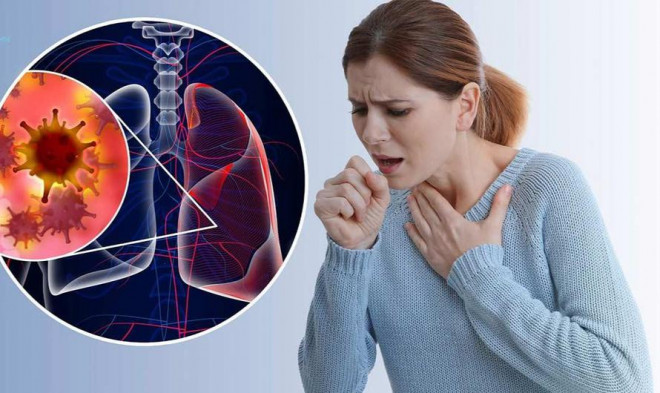
Final Thoughts
Cancer often develops silently, and many early symptoms can be subtle or easily dismissed. Persistent fatigue, unexplained weight loss, swollen lymph nodes, unusual bleeding, chronic pain, skin changes, and digestive symptoms are just some of the signs that may warrant medical attention if they continue or worsen over time.
The key message is not to panic, but to pay attention. Most symptoms have harmless explanations, yet persistent changes in the body deserve evaluation. Early detection remains one of the most powerful tools in improving outcomes, making awareness an important part of protecting long-term health.