Why Proper Rice Storage Matters
Rice is a staple food in many households, especially in Asian countries. Because it is often stored in large quantities, maintaining its quality over time becomes essential. However, two common problems can quickly ruin stored rice: weevils (small grain insects) and mold caused by moisture.
If rice is not stored properly, it can become contaminated, develop unpleasant odors, or even become unsafe to eat. The good news is that with the right storage methods, you can keep rice fresh, clean, and safe for long periods.
Understanding the Main Threats
Before learning how to store rice correctly, it’s important to understand what causes these problems.
1. Weevils (Rice Bugs)
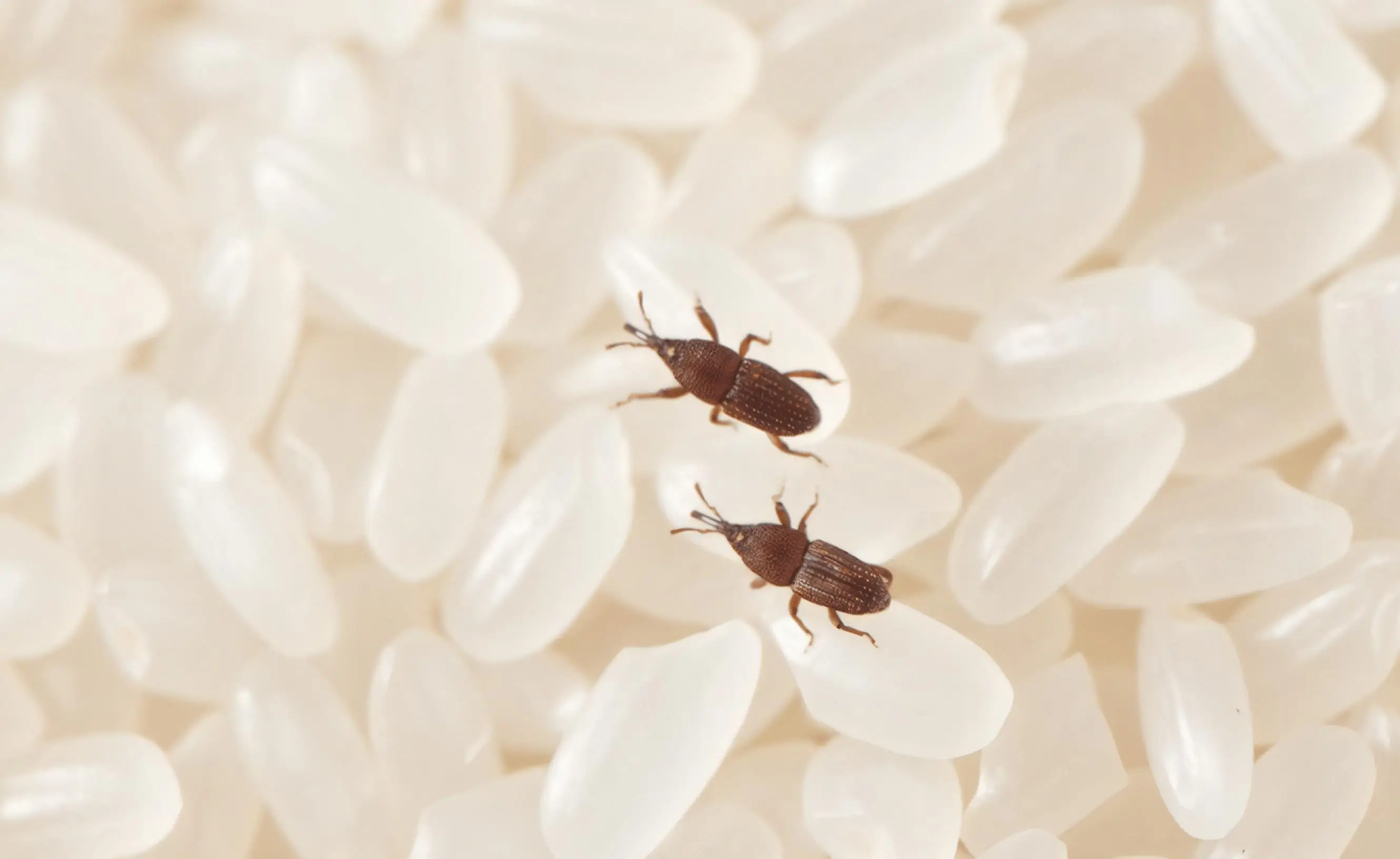
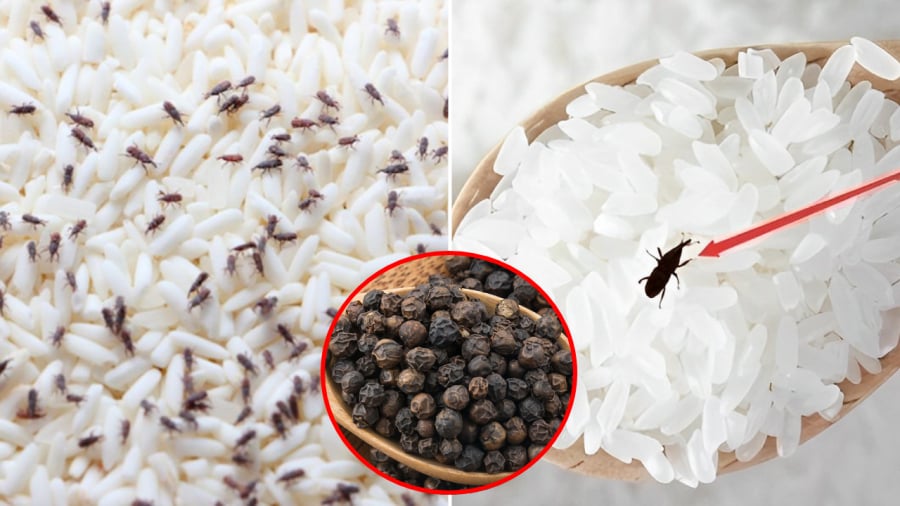
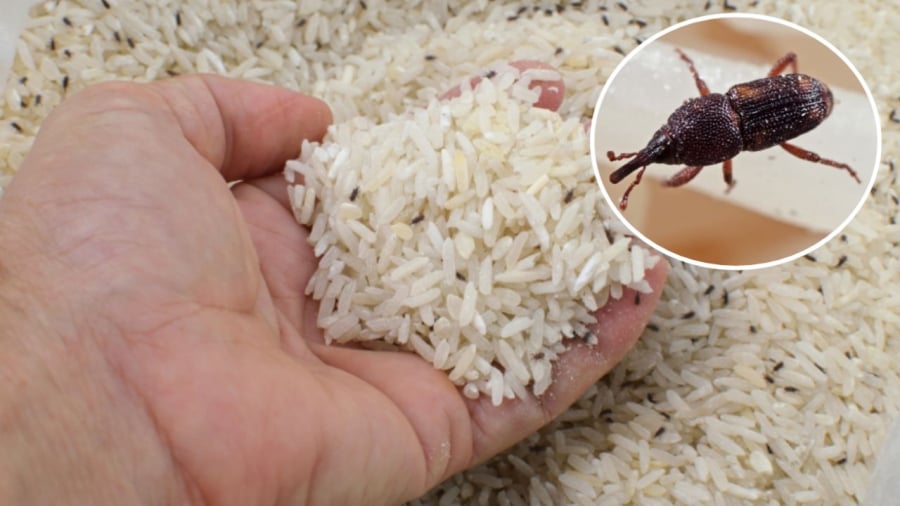
Weevils are tiny insects that can appear in rice during storage. Sometimes, their eggs are already present in the grains when purchased, and they hatch later under suitable conditions.
They thrive in:
- Warm temperatures
- Humid environments
- Poorly sealed containers
2. Moisture and Mold
Rice is highly sensitive to moisture. When exposed to humidity, it can absorb water from the air, creating the perfect environment for mold growth.
Moldy rice may:
- Smell musty
- Change color
- Become unsafe to consume
Step-by-Step Guide to Proper Rice Storage
1. Use Airtight Containers
The most important rule is to store rice in airtight containers.
- Glass jars, plastic containers with tight lids, or metal bins work well
- Prevent air, moisture, and insects from entering
- Keep rice dry and protected
Avoid leaving rice in thin plastic bags, as they do not provide sufficient protection.
2. Store in a Cool, Dry Place
Temperature and humidity play a major role in rice preservation.
- Keep rice away from heat sources like stoves
- Avoid areas with high humidity (such as near sinks)
- Choose a well-ventilated, dry storage area
A stable environment helps prevent both weevils and mold.
3. Freeze Rice Before Storage (Optional but Effective)
One of the most effective tricks is to freeze rice for 2–3 days before storing it.
This helps:
- Kill any hidden insect eggs
- Prevent future infestations
- Extend shelf life
After freezing, let the rice return to room temperature before placing it in a container.
4. Add Natural Repellents
Certain natural ingredients can help keep insects away:
- Garlic cloves
- Dried chili peppers
- Bay leaves
These do not affect the rice but create an environment that discourages pests.
5. Avoid Moisture Contamination
Never use wet hands or utensils when handling rice.
Even a small amount of water can:
- Increase humidity inside the container
- Lead to mold growth
- Reduce shelf life
Always keep everything dry when dealing with stored rice.
6. Don’t Store Rice for Too Long
Even with proper storage, rice should not be kept indefinitely.
- White rice can last longer than brown rice
- Brown rice contains natural oils that can spoil faster
- Rotate stock regularly (use older rice first)
This practice ensures freshness and reduces waste.
Signs Your Rice May Be Spoiled
Even with precautions, it’s important to check rice regularly. Discard rice if you notice:
- Presence of insects or larvae
- Unusual smell (musty or sour)
- Clumping due to moisture
- Discoloration
When in doubt, it’s safer not to use it.
Extra Tips for Long-Term Storage
- Label containers with purchase dates
- Store rice in smaller portions instead of one large batch
- Clean storage containers before refilling
- Avoid mixing old and new rice
These small habits can make a big difference in maintaining quality.
Final Thoughts
Keeping rice safe from weevils and mold is not complicated - it just requires attention to a few key factors: dryness, airtight storage, and temperature control.
By following simple steps like using sealed containers, avoiding moisture, and freezing rice before storage, you can significantly extend its shelf life and maintain its quality.
In the end, proper storage is not just about preserving food - it’s about ensuring safety, reducing waste, and making everyday cooking more reliable. A little care today can save a lot of trouble later.