Protecting your eyes from blue light (especially from phones, laptops, and TVs) is mostly about reducing strain and exposure—not eliminating it completely. Here are practical, effective ways to do it:
👁️ Adjust your screen settings
- Turn on built-in filters like Night Shift (iPhone), Night Light (Windows), or blue light filters on Android.
- Lower brightness to match your surroundings.
- Use warmer color tones, especially in the evening.
🕶️ Use blue light filtering glasses
- Glasses with blue light coating can help reduce glare and eye fatigue.
- Particularly useful if you spend long hours in front of screens.
⏱️ Follow the 20-20-20 rule
- Every 20 minutes, look at something 20 feet (6 meters) away for at least 20 seconds.
- This relaxes your eye muscles and reduces strain.
💡 Improve your lighting environment
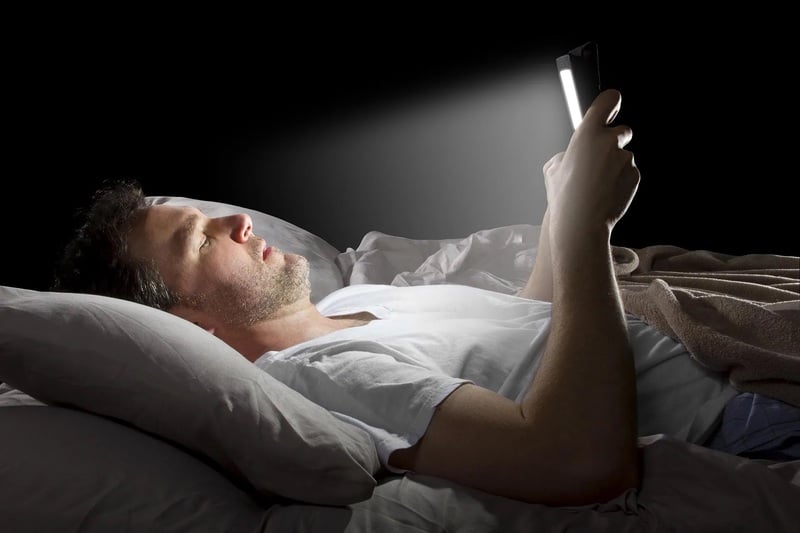
- Avoid using screens in complete darkness.
- Use soft ambient lighting to reduce contrast between your screen and surroundings.
📱 Limit screen time before bed
- Blue light can disrupt sleep by affecting melatonin production.
- Try to avoid screens at least 1 hour before sleeping.
👀 Blink more & keep eyes moist
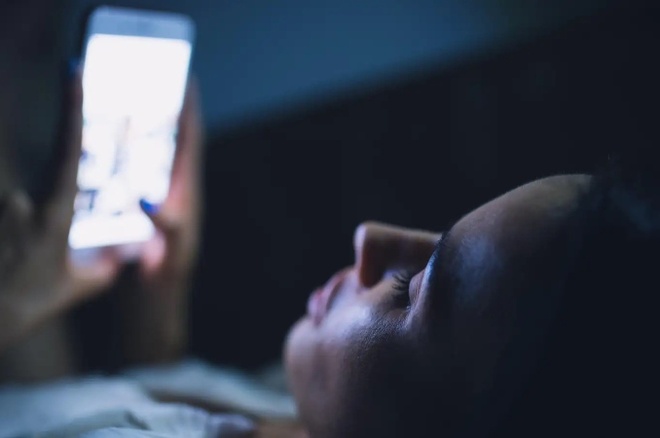
- People blink less when using screens, which causes dryness.
- Make a conscious effort to blink or use artificial tears if needed.
🖥️ Maintain proper distance & posture
- Keep screens about an arm’s length away (50–70 cm).
- Position screens slightly below eye level.
🥗 Support eye health with nutrition
- Eat foods rich in lutein and zeaxanthin (spinach, kale, eggs).
- Omega-3 fatty acids (fish, walnuts) help reduce dry eyes.
⚠️ Important note
Current research suggests blue light from screens is not a major cause of permanent eye damage, but it does contribute to digital eye strain and sleep disruption.