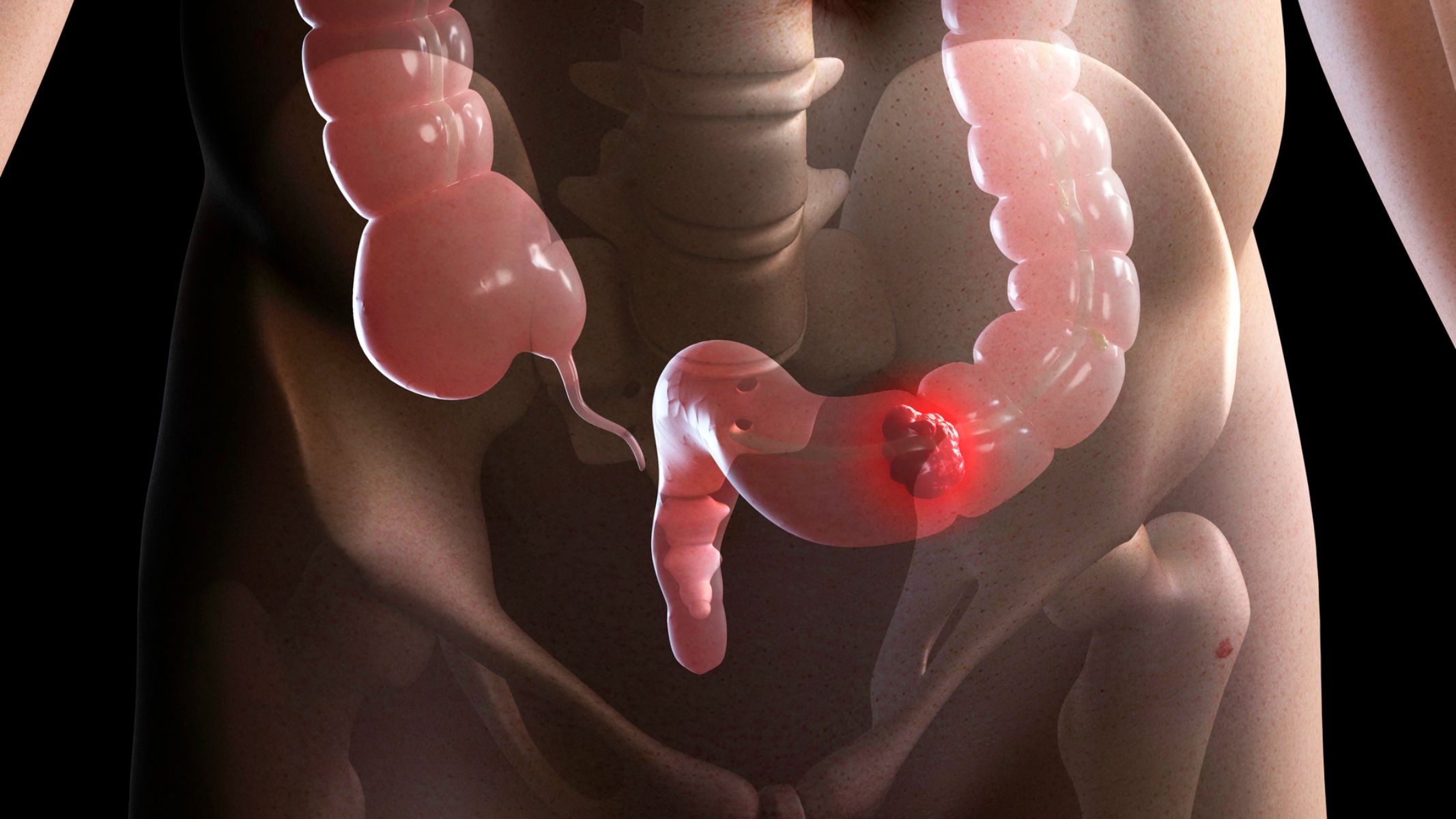
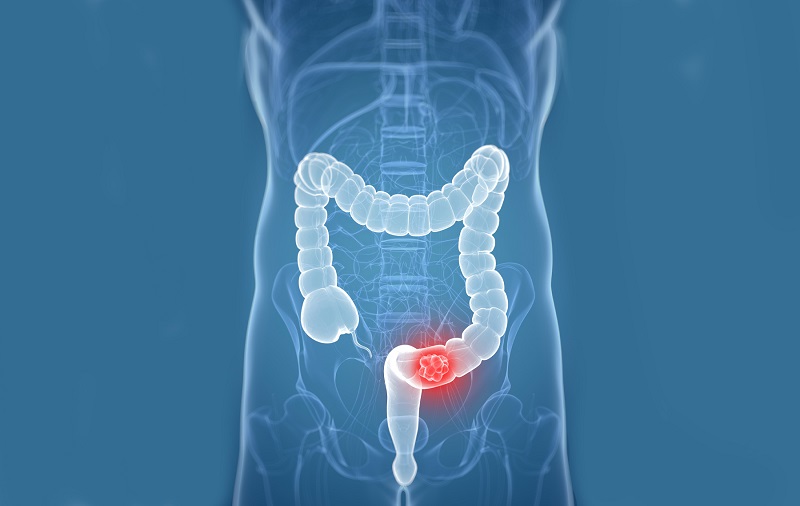
Colorectal cancer—affecting the colon or rectum—is one of the most common cancers worldwide. The concerning part is that it often develops slowly and silently, with few noticeable symptoms in its early stages.
However, the encouraging news is this: many cases are preventable, and early detection significantly improves outcomes. Understanding the risk factors, lifestyle influences, and warning signs can make a real difference.
Prevention doesn’t require extreme measures—it starts with informed, consistent choices.

What Increases the Risk?
Before focusing on prevention, it’s important to recognize common risk factors:
- Diet high in processed and red meat
- Low fiber intake
- Sedentary lifestyle
- Smoking and excessive alcohol consumption
- Obesity
- Family history of colorectal cancer
While some factors (like genetics) cannot be changed, many are within your control.
1. Prioritize a High-Fiber Diet
One of the most effective ways to support colon health is through diet—especially by increasing fiber intake.
Fiber helps:
- Promote regular bowel movements
- Reduce the time waste stays in the colon
- Support beneficial gut bacteria
Foods rich in fiber include:
- Whole grains
- Fruits and vegetables
- Legumes and nuts
A balanced, plant-rich diet is strongly associated with lower colorectal cancer risk.
2. Limit Processed and Red Meat
Frequent consumption of processed meats (like sausages or bacon) and large amounts of red meat has been linked to increased risk.
These foods may:
- Produce harmful compounds during digestion
- Affect gut health negatively
- Increase inflammation in the body
Reducing intake and choosing leaner protein sources can support long-term health.
3. Stay Physically Active
Regular physical activity is not just for weight management—it also plays a role in reducing cancer risk.
Exercise helps:
- Improve digestion
- Reduce inflammation
- Regulate hormones and metabolism
Even moderate activity, such as walking daily, can make a meaningful difference.
4. Maintain a Healthy Weight
Excess body weight is associated with a higher risk of several diseases, including colorectal cancer.
Maintaining a healthy weight supports:
- Hormonal balance
- Reduced inflammation
- Better overall metabolic health
This is best achieved through a combination of balanced eating and regular movement.
5. Don’t Ignore Screening
Screening is one of the most powerful tools for prevention.
Tests such as colonoscopy can:
- Detect early abnormalities
- Identify and remove polyps before they become cancerous
- Provide peace of mind
Many health organizations recommend starting screening at a certain age or earlier if there are risk factors.
6. Avoid Smoking and Limit Alcohol
Both smoking and excessive alcohol consumption are linked to increased cancer risk.
These habits can:
- Damage cells
- Increase inflammation
- Interfere with the body’s natural repair processes
Reducing or eliminating these behaviors supports not only colon health but overall well-being.
7. Pay Attention to Early Warning Signs
Although early colorectal cancer may not show symptoms, some warning signs can appear:
- Changes in bowel habits
- Blood in stool
- Persistent abdominal discomfort
- Unexplained weight loss
These symptoms do not always indicate cancer, but they should be evaluated if they persist.
Why Prevention Is So Powerful
Unlike many other conditions, colorectal cancer often develops from precancerous polyps over time. This means there is a window of opportunity to detect and remove these growths before they become dangerous.
This makes prevention and early detection especially effective.
A Realistic Approach
Preventing colorectal cancer is not about perfection—it’s about consistent, informed choices.
You don’t need to change everything overnight. Small steps like:
- Adding more vegetables to meals
- Walking regularly
- Reducing processed food intake
…can build a strong foundation over time.
Final Thoughts
Colorectal cancer may be serious, but it is also one of the most preventable types of cancer when approached with awareness and action.
By understanding risk factors, making healthier lifestyle choices, and staying proactive with screening, you can significantly reduce your risk.
Health is not determined by one decision, but by the habits you build every day. And when it comes to prevention, what you do now can make all the difference in the future.