In a world where fast and stable internet is essential, weak Wi-Fi signals can be incredibly frustrating. Dead zones, slow speeds, and unstable connections often lead people to invest in expensive upgrades—new routers, extenders, or mesh systems.
But what if a simple household item like aluminum foil could help improve your signal?
It may sound unusual, but this trick is based on a real scientific principle: signal reflection and direction control.
How Wi-Fi Signals Actually Work
Wi-Fi routers transmit signals in the form of radio waves. These waves spread outward in multiple directions, similar to how light from a bulb fills a room.
However, this creates a problem:
- Some signals go where you don’t need them (like walls or outside your home)
- Obstacles such as walls and furniture weaken the signal
- The energy gets dispersed instead of focused
As a result, the signal strength in important areas—like your bedroom or workspace—may be weaker than expected.
The Role of Aluminum Foil
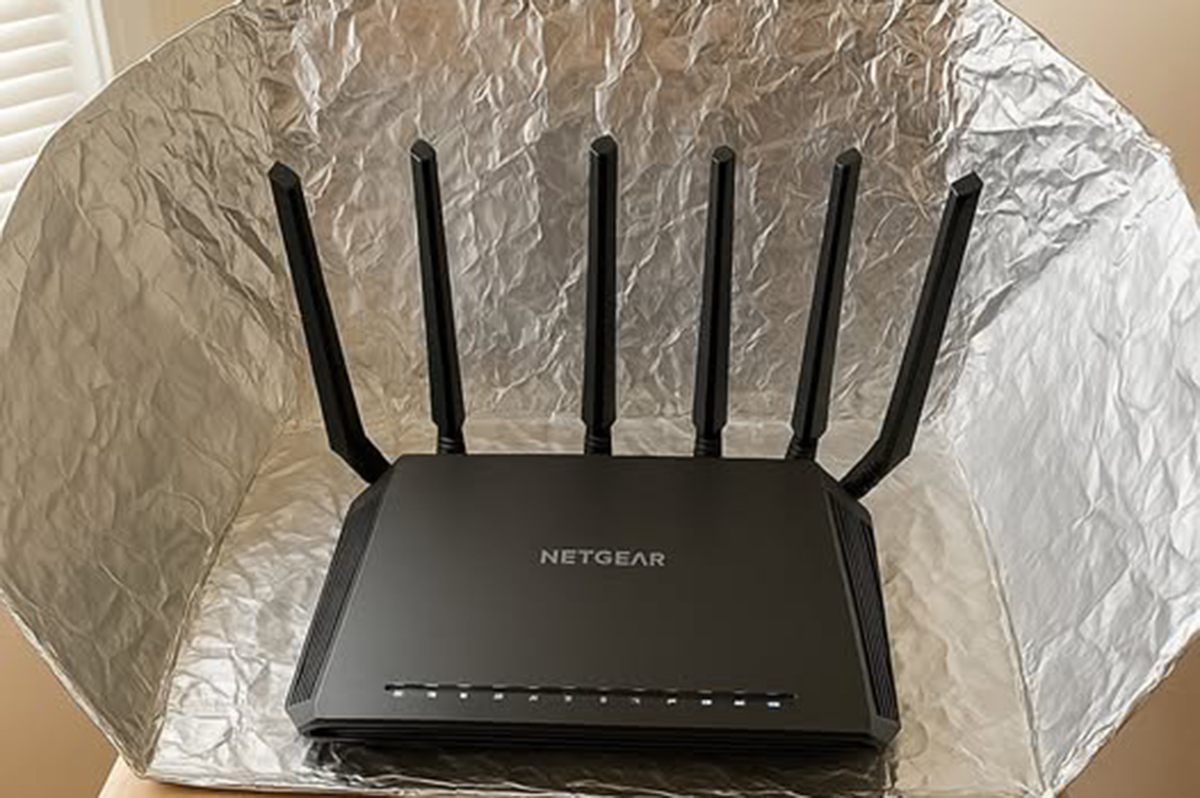
Aluminum foil is a metal, and metals are excellent at reflecting radio waves. When placed strategically behind a router, foil can act like a reflector, redirecting Wi-Fi signals in a specific direction.
Think of it like a mirror for your internet signal.
Instead of allowing signals to spread randomly, the foil helps:
- Bounce signals back into your living space
- Reduce signal loss behind the router
- Improve coverage in targeted areas
How to Use the Foil Trick Effectively
To get the best results, placement matters.
1. Position the Foil Behind the Router
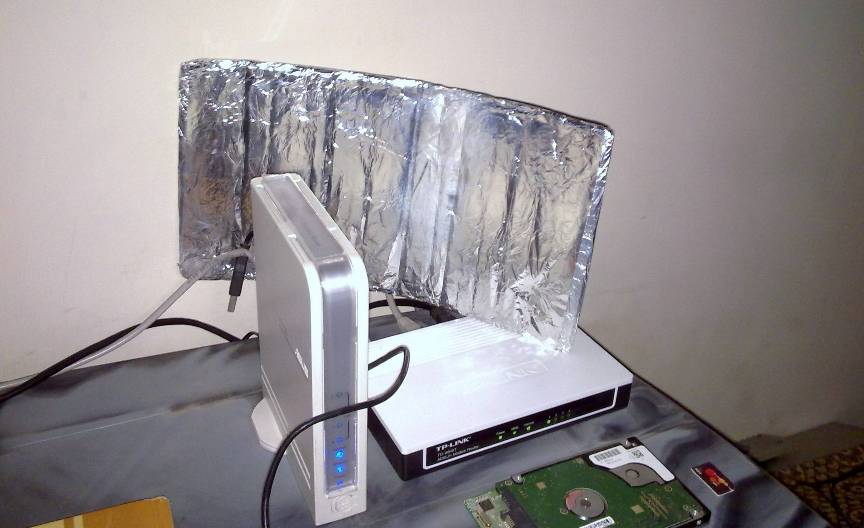
Place a curved sheet of aluminum foil behind your router, with the shiny side facing outward.
2. Shape It Like a Reflector
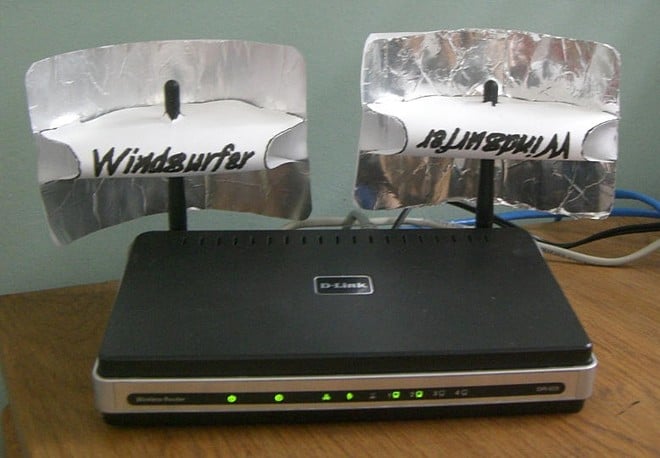
A slightly curved or semi-circular shape works best, as it helps direct the signal forward rather than scattering it.
3. Aim Toward Weak Signal Areas
Adjust the angle so the reflected signal is directed toward areas where Wi-Fi is weak.
4. Keep It Stable
Make sure the foil is securely positioned and not touching sensitive parts of the router.
What Kind of Improvement Can You Expect?
This trick won’t turn your Wi-Fi into a high-end system overnight, but it can:
- Improve signal strength in certain areas
- Reduce dead zones behind walls
- Enhance overall coverage in small to medium spaces
The effect is more noticeable when:
- The router is placed near a wall
- You need to direct signal in one specific direction
- There are fewer major obstacles
Limitations of the Aluminum Foil Method
While useful, this method has its limits.
- It does not increase the total power of your Wi-Fi
- It cannot fully overcome thick walls or large distances
- It may not be effective in very large homes
In some cases, improper placement can even make signal distribution uneven.
When Should You Use This Trick?
This method works best as a quick and low-cost improvement, especially if:
- You have a small apartment or room
- Your router is placed in a corner
- You notice signal loss in one direction
It’s an easy experiment—no tools, no cost, and minimal effort.
Other Ways to Improve Your Wi-Fi
For better results, combine this trick with other strategies:
- Place your router in a central, elevated location
- Keep it away from thick walls and metal objects
- Update your router’s firmware regularly
- Use Wi-Fi extenders if needed
These methods work together to create a more stable connection.
A Simple Hack Worth Trying
The aluminum foil trick stands out because of its simplicity. It’s not a replacement for advanced equipment, but it demonstrates how basic physics can be applied in everyday life.
Sometimes, improving your environment doesn’t require expensive solutions—just a bit of creativity and understanding.
Final Thoughts
Using aluminum foil behind your router may seem like a strange idea, but it’s grounded in real science. By reflecting and directing Wi-Fi signals, this simple method can help improve coverage in specific areas of your home.
While it’s not a miracle fix, it’s definitely a clever hack worth trying—especially when you’re looking for a quick, cost-free way to boost your connection.
Sometimes, the smartest solutions are the ones hiding in plain sight.