Toasters are one of the most convenient appliances in any kitchen. With just a push of a lever, you can have warm, crispy food in minutes. Because they’re so simple to use, many people assume they’re completely safe.
However, misuse - especially putting the wrong items inside - can lead to serious hazards, including fire risks, electrical damage, and even injury. Understanding what should never go into a toaster is essential for both safety and appliance longevity.
1. Anything with Meltable Fillings (Cheese, Chocolate, etc.)
It might be tempting to toast a sandwich filled with cheese or chocolate directly in the toaster, but this is a major mistake.
When heated:
- Cheese and chocolate melt quickly
- They drip into the toaster’s internal components
- Residue can burn, smoke, or even catch fire
This not only damages the toaster but also creates a serious fire hazard.

2. Buttered Bread
Many people spread butter on bread before toasting it. While this works in an oven or pan, it’s dangerous in a toaster.
Butter can:
- Melt and drip inside
- Accumulate near heating elements
- Increase the risk of burning or electrical issues
Always toast bread first, then add butter afterward.
3. Foil-Wrapped Items
Aluminum foil and electrical appliances are not a good combination.
Putting foil in a toaster can:
- Reflect heat unpredictably
- Cause sparks or short circuits
- Damage internal wiring
This is one of the fastest ways to create a potential electrical hazard.

4. Thick or Oversized Foods
Foods that are too thick—like large bagels, stuffed pastries, or bulky slices—can get stuck.
When this happens:
- The food may burn because it can’t pop up
- People may try to remove it with metal objects
- This increases the risk of electric shock
Always ensure items fit properly in the toaster slots.
5. Raw or Wet Foods
Toasters are designed for dry, pre-prepared foods—not raw or wet ingredients.
Avoid putting in:
- Raw dough
- Foods with high moisture content
- Anything dripping with liquid
Water and electricity are a dangerous mix, and moisture can damage the appliance or cause malfunction.
6. Paper or Plastic-Wrapped Items
Never put items with packaging into a toaster.
Materials like paper or plastic can:
- Catch fire quickly
- Release harmful fumes
- Melt and stick to internal parts
Even small pieces can create serious problems.
7. Metal Objects (Utensils, Knives, Forks)
When food gets stuck, many people instinctively reach for a knife or fork to pull it out.
This is extremely dangerous.
Metal objects can:
- Conduct electricity
- Cause electric shock
- Damage the toaster
Always unplug the toaster and use non-metal tools if necessary.
Why These Mistakes Are So Common
Most toaster-related accidents happen because:
- People underestimate the appliance
- They try to use it for convenience
- They overlook basic safety guidelines
Since toasters are used daily, small habits can easily become risky over time.
Simple Safety Tips to Follow
To use your toaster safely:
- Only toast dry, toaster-safe foods
- Never leave it unattended while in use
- Clean crumbs regularly to prevent buildup
- Unplug before cleaning or removing stuck items
- Keep it away from water sources
These simple steps can significantly reduce risks.
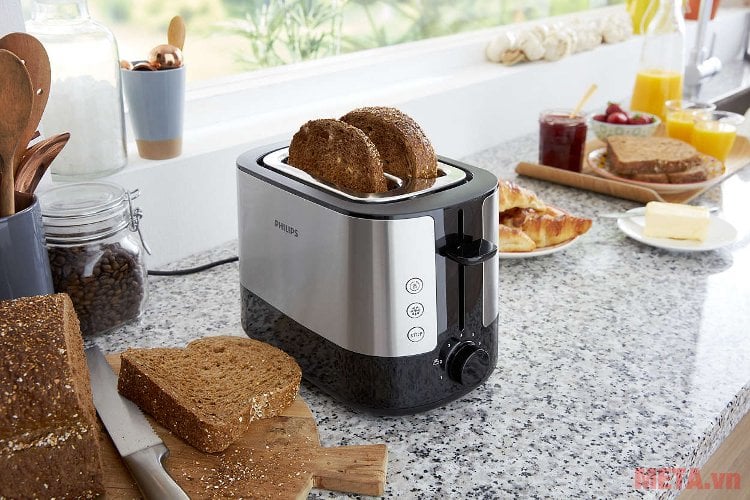
A Small Appliance, A Big Responsibility
Toasters may seem harmless, but they operate at high temperatures and involve electrical components. Misusing them - even slightly can lead to consequences that go beyond a burnt snack.
Final Thoughts
Knowing what not to put in a toaster is just as important as knowing how to use it. From meltable fillings to foil and wet foods, these common mistakes can turn a simple appliance into a safety hazard.
By using your toaster correctly and staying aware of potential risks, you can keep your kitchen safe and your appliance working efficiently.
Sometimes, avoiding small mistakes is the best way to prevent big problems.