Shrimp is one of the most popular seafood choices around the world—delicious, versatile, and quick to cook. But if you’ve ever prepared shrimp at home, you’ve probably noticed a thin black line running along its back.
This “black vein” often raises questions: What exactly is it? Is it safe to eat? And should you remove it before cooking?
Let’s break it down in a clear and practical way.
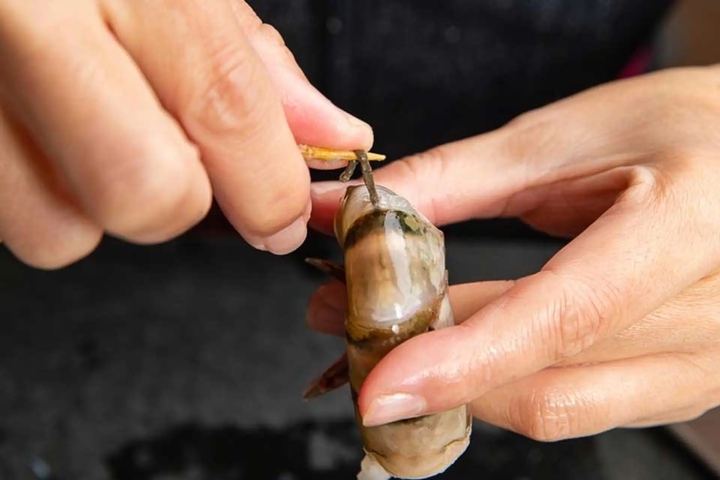
🦐 What Is the Black Vein in Shrimp?
Despite being called a “vein,” the black line is not a blood vessel. It is actually the shrimp’s digestive tract (intestine).
Inside this tract, you may find:
- Sand
- Tiny food particles
- Waste
Its color can vary from black to brown depending on what the shrimp has eaten.
⚠️ Is It Harmful to Eat?
👉 The short answer: Usually, no—it’s not harmful.
When shrimp is properly cooked:
- Bacteria are destroyed by heat
- The digestive tract becomes safe to consume
However, there are a few things to consider:
🔸 Taste and Texture
The black vein may:
- Taste slightly gritty
- Affect the overall texture
This is especially noticeable in larger shrimp.
🔸 Cleanliness
While not dangerous, it contains waste material, which can make some people uncomfortable from a hygiene perspective.
🔪 Should You Remove It?
✅ Recommended in most cases
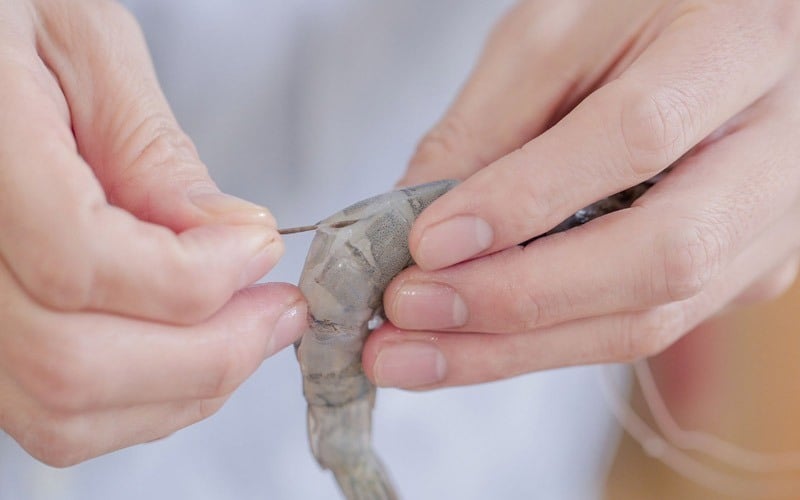
Removing the vein (a process called deveining) is generally advised, especially when:
- The shrimp are large
- You’re preparing a dish where appearance matters
- You want the cleanest taste possible
❌ Optional in some cases
You might skip removing it if:
- The shrimp are very small
- The vein is barely visible
- You’re cooking dishes where texture isn’t noticeable (like soups or finely chopped recipes)
🍳 How to Remove the Vein Easily
Deveining shrimp is simple and only takes a few seconds:
- Peel the shrimp (optional, depending on recipe)
- Use a small knife to make a shallow cut along the back
- Locate the black line
- Lift it out with the tip of the knife or a toothpick
- Rinse briefly under clean water
🧠 Does Cooking Method Matter?
Yes, it can.
- Grilled or sautéed shrimp: Removing the vein improves appearance and flavor
- Boiled shrimp: Less noticeable, but still recommended
- Fried shrimp: Texture differences may stand out more if not removed
💡 Expert Tips for Better Shrimp
- ✔️ Always buy fresh or properly frozen shrimp
- ✔️ Rinse lightly before cooking
- ✔️ Don’t overcook—shrimp become rubbery quickly
- ✔️ Devein large shrimp for best results

🧠 Final Thoughts
The black vein in shrimp may look unappetizing, but it’s not dangerous when cooked properly. Still, removing it can improve both taste and presentation.
So, should you remove it?
👉 For the best experience—yes. But it’s ultimately your choice.
Understanding small details like this can make a big difference in your cooking, turning a simple dish into something cleaner, tastier, and more enjoyable. 🦐✨