9 Health Warnings Your Fingernails May Be Sending
Tips 23/05/2026 11:41
Early Symptoms of Bladder Cancer That Often Go Unnoticed
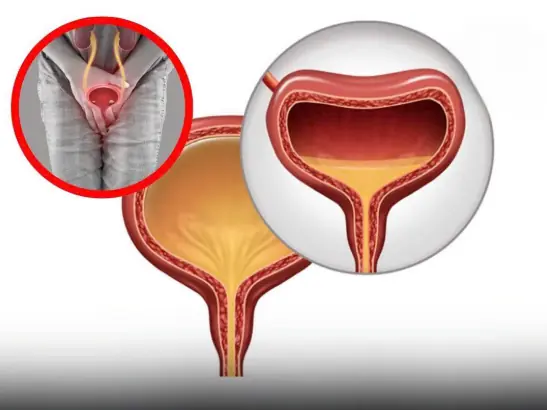
Bladder cancer is one of those diseases that often develops quietly, without obvious warning signs in its early stages. Many people live with symptoms for months — sometimes even years — believing they are dealing with a minor urinary problem, stress, or a simple infection. Unfortunately, this delay in recognition can allow the disease to progress before proper diagnosis and treatment begin.
Understanding the early signs of bladder cancer is critical. The earlier it is detected, the better the chances of successful treatment. Below are the key symptoms that are frequently overlooked but should never be ignored.
This is the most common and most important early warning sign.
Blood in the urine may appear pink, red, or cola-colored. In some cases, it is visible to the naked eye. In others, it can only be detected through laboratory testing.
What makes this symptom dangerous is that it often comes and goes without pain, leading many people to dismiss it. Even a single episode of blood in the urine requires immediate medical evaluation.
Needing to urinate more often than usual — especially without increasing fluid intake — may indicate irritation or abnormal changes in the bladder lining.
Many people assume this is due to aging, caffeine, or stress. However, persistent frequency can be an early sign of bladder cancer, particularly when it appears suddenly and does not improve.
A constant or sudden urge to urinate, even when the bladder is not full, can be another subtle signal.
This symptom is commonly mistaken for a urinary tract infection (UTI). When urgency continues despite treatment or occurs without infection, it should raise concern.
Discomfort, stinging, or burning sensations while urinating are often associated with infections. However, when tests show no infection and symptoms persist, bladder cancer must be considered as a possible cause.
Pain should never be ignored simply because it feels mild or manageable.
Some individuals experience trouble starting urination, a weak urine stream, or the feeling that the bladder does not empty completely.
These changes may indicate that a tumor is interfering with normal urine flow, especially when combined with other urinary symptoms.
As bladder cancer progresses, pain may develop in the lower abdomen or pelvic area. While this symptom often appears later, some people experience discomfort early on.
Persistent pressure, aching, or unexplained pain in this region should always be evaluated.
Although not specific to bladder cancer alone, ongoing fatigue and unintentional weight loss are general cancer warning signs.
When these symptoms occur alongside urinary changes, they may indicate that the body is fighting a serious underlying condition.
Bladder cancer symptoms closely resemble common, non-serious conditions such as:
Urinary tract infections
Kidney stones
Overactive bladder
Prostate issues
Because of this, many people delay seeing a doctor or accept repeated treatments without further investigation. This is one of the main reasons bladder cancer is sometimes diagnosed at a later stage.
Certain factors increase the risk of bladder cancer, including:
Smoking
Long-term exposure to chemicals
Chronic bladder irritation
Family history of bladder cancer
Older age
People with these risk factors should be especially alert to early symptoms.
A doctor should be consulted immediately if:
Blood appears in the urine, even once
Urinary symptoms persist longer than two weeks
Symptoms return after treatment
Pain or discomfort worsens
Early testing can include urine analysis, imaging, and cystoscopy, which can identify abnormalities before the disease advances.
Bladder cancer does not always cause severe pain or dramatic symptoms at first. It often whispers instead of shouts.
Listening to the body, recognizing subtle changes, and acting early can be life-saving. If something feels wrong, do not wait. Early detection saves lives.





Simple Household Tips That May Help Keep Mice Away

Choose a lipstick color and discover what kind of woman you really are…


The Easy Cooking Hack That Helps Balance an Oversalted Dish Naturally

The Surprising Reason Travelers Slide a Water Bottle Under Hotel Beds

Keep snakes out of your yard with these 3 easy methods

Drivers are putting salt inside their cars — and the reason is surprisingly smart 😳





Doctors are raising concerns about certain vegetables linked to dangerous health risks when improperly stored or cooked.