Almost everyone who cooks has experienced the same frustrating moment: one small mistake with the salt shaker suddenly leaves an entire dish tasting far too salty. Whether it happens while making soup, sauce, stew, or stir-fry, oversalting food is one of the most common kitchen accidents.
The first instinct for many people is to add more water to dilute the salt. While this sometimes helps in soups or broths, it can also weaken the flavor, ruin texture, and leave the dish tasting bland instead of balanced.
Fortunately, experienced cooks know there are smarter ways to rescue an oversalted meal without destroying the recipe. Certain ingredients can help absorb, balance, or soften excessive saltiness while preserving flavor and texture.
Understanding how salt affects food and how different ingredients interact with it - can help save meals and improve cooking confidence.
Why Oversalting Happens So Easily
Salt is essential in cooking because it:
- Enhances flavor
- Balances sweetness
- Improves texture
- Brings out aroma
However, salt levels can increase quickly because:
- Some ingredients already contain sodium
- Sauces and broths may be salty
- Salt concentrates during cooking
- Taste changes as liquids reduce
Common high-sodium ingredients include:
- Soy sauce
- Bouillon cubes
- Cheese
- Processed meats
- Canned foods
Even experienced cooks occasionally oversalt dishes accidentally.

Why Adding Water Isn’t Always the Best Solution
Adding water may reduce salt concentration temporarily, especially in soups.
However, too much water can also:
- Weaken flavor
- Thin the texture
- Reduce richness
- Make sauces watery
In dishes like:
- Pasta sauce
- Curry
- Stir-fry
- Cream soups
simply adding water may create an entirely different problem.
This is why cooks often rely on balancing ingredients instead.
The Ingredient Many Cooks Use: Potatoes
One of the most famous tricks for reducing saltiness involves adding potatoes.
Why Potatoes Help
Potatoes contain starch, which may help absorb:
- Some liquid
- Some excess salt
People often add:
- Raw potato chunks
- Potato slices
to soups or stews during cooking.
After simmering for a while, the potatoes are removed.
While potatoes do not magically “pull out all the salt,” they may slightly reduce salt concentration while also absorbing flavorful liquid.
Other Ingredients That May Help Balance Saltiness
1. Acidic Ingredients
Acidic foods can help distract the palate from excessive saltiness.
Examples include:
- Lemon juice
- Vinegar
- Tomatoes
- Lime juice
A small amount of acid may brighten flavors and make saltiness feel less overwhelming.
This technique works especially well in:
- Soups
- Sauces
- Stews
- Salad dressings

2. Dairy Products
Creamy ingredients may help soften salty flavors.
Examples include:
- Cream
- Yogurt
- Milk
- Coconut milk
- Sour cream
These ingredients may help:
- Balance strong saltiness
- Create smoother texture
- Reduce harsh flavor intensity
Cream-based rescue methods work well in:
- Curries
- Soups
- Sauces
3. Sugar or Sweet Ingredients
Tiny amounts of sweetness may help counterbalance excess salt.
Some cooks add:
- Sugar
- Honey
- Maple syrup
in very small amounts.
The goal is not to make the dish sweet but to create balance between flavors.
This technique is especially useful in:
- Tomato sauces
- Asian-style dishes
- Marinades
4. More Unsalted Ingredients
Sometimes the best fix is simply increasing the volume of the dish.
For example:
- Add more vegetables
- Add unsalted broth
- Add cooked rice
- Add pasta
- Add beans
This spreads the salt across a larger amount of food.
Professional cooks commonly use this method because it preserves flavor more naturally.
5. Bread or Rice in Soups
Some people place:
- Bread
- Rice
into salty soups temporarily to absorb some liquid.
Like potatoes, this method has limited effectiveness but may slightly reduce intensity.
The Science of Flavor Balancing
Cooking is not just about reducing salt physically — it’s also about balancing taste perception.
The five main tastes are:
- Salty
- Sweet
- Sour
- Bitter
- Umami
When one taste becomes too dominant, balancing flavors may restore harmony.
This is why:
- Acid
- Sweetness
- Fat
- Starch
can help reduce the perception of excessive saltiness.
How to Prevent Oversalting in the First Place
Experienced cooks often follow habits that reduce the risk of oversalting.
Taste Frequently
Taste food gradually during cooking instead of salting heavily all at once.
Be Careful with Salty Ingredients
Remember that ingredients like:
- Soy sauce
- Cheese
- Broth cubes
already contribute sodium.
Salt in Stages
Adding small amounts gradually provides better control.
Reduce Sauces Carefully
Salt becomes more concentrated as liquids evaporate.
Some Dishes Are Harder to Fix
Certain foods become difficult to rescue once oversalted, especially:
- Dry meat dishes
- Fried foods
- Scrambled eggs
In these cases, balancing with side dishes or sauces may help.
What Professional Chefs Often Do
Professional kitchens usually rely on:
- Acid balancing
- Volume expansion
- Fat balancing
- Additional ingredients
rather than simply adding water.
Flavor balance is considered more important than merely reducing sodium concentration.
Health Considerations About Salt
Salt is necessary for body function, but excessive sodium intake may contribute to:
- High blood pressure
- Heart disease
- Fluid retention
Many people already consume more sodium than recommended through processed foods.
Cooking at home provides greater control over sodium levels.
Cooking Mistakes Happen to Everyone
Even skilled chefs oversalt dishes occasionally.
Cooking involves:
- Experimentation
- Taste adjustment
- Learning through mistakes
Understanding rescue techniques can help reduce stress and prevent wasted meals.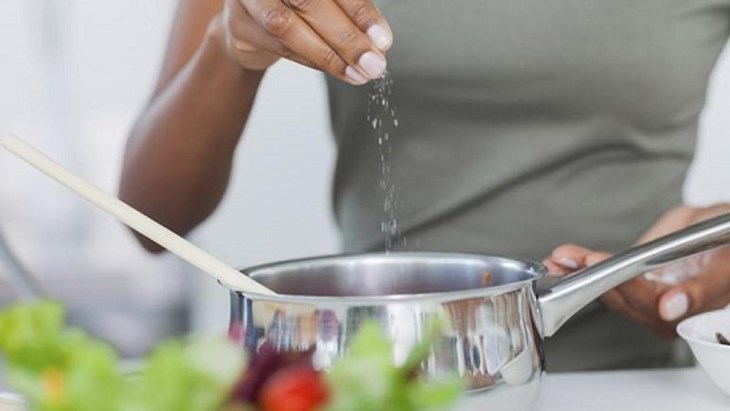
Final Thoughts
Oversalting a dish does not automatically mean dinner is ruined. While adding water may sometimes help, smarter solutions such as potatoes, acidic ingredients, dairy, sweetness, or extra unsalted ingredients can often restore balance more effectively without sacrificing flavor.
Cooking is ultimately about harmony between flavors, textures, and ingredients. Small adjustments rather than panic fixes usually produce the best results.
Sometimes the difference between a failed dish and a delicious one comes down to knowing a few simple kitchen tricks.